News
Sunburn: The Underestimated Summer Danger

Melanie Al Tikriti, BSc ·
Even just a few minutes in the sun can damage your skin.
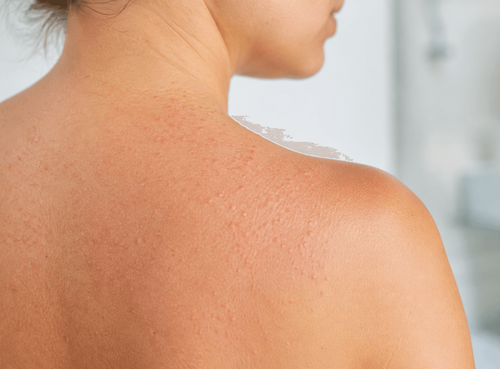
A day at the beach, a trip to the mountains, or a relaxing afternoon in the garden—especially in the summer, many people spend as much time outdoors as possible. However, people often underestimate how quickly intense sunlight can damage the skin. It’s often not until hours later that people notice their skin is red, tight, or sore. Sunburn is one of the most common health problems during the summer months and is far more than just harmless skin redness.
Every sunburn means that the skin has been damaged by ultraviolet radiation. Although the symptoms usually subside after a few days, repeated sunburns can have long-term consequences. This makes it all the more important to consistently protect your skin and respond correctly at the first signs of sunburn.
What Happens to the Skin When You Get Sunburned
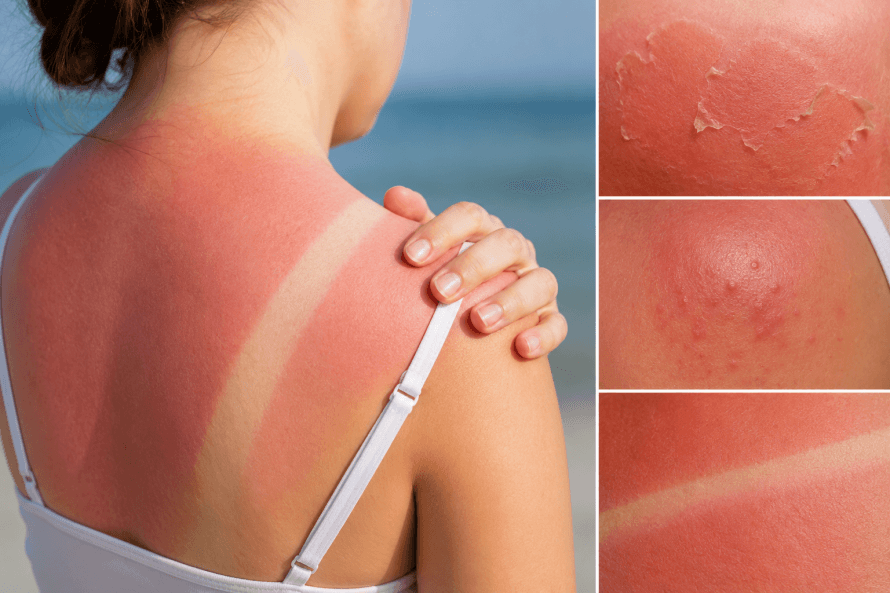
Sunlight contains ultraviolet rays that penetrate the skin to varying depths. UV-B rays, in particular, damage the genetic material of skin cells and trigger an inflammatory response. To repair the damage, the body dilates the blood vessels, increasing blood flow to the skin. The skin reddens and feels warm.
If the sun’s rays are particularly intense, swelling or even blisters may also develop. A few days later, the skin often begins to peel. During this process, damaged skin cells are shed and replaced by new ones. Nevertheless, not all damage can be completely reversed.
Why Some People Are Affected More Quickly
How sensitive the skin is to UV rays varies from person to person. People with fair skin, in particular, have less melanin. This natural pigment protects the skin from the sun’s rays to a certain extent. Without this protection, sunburn develops much more quickly.
The risk also increases due to:
- intense midday sun
- long periods spent outdoors
- no or insufficient sunscreen
- staying in the mountains
- Reflection from water, sand, or snow
- certain medications
- Very fair skin types
Even when the sky is cloudy, a significant portion of UV radiation reaches the skin. Therefore, sun protection should not be based on the weather.
The first symptoms often appear later
Many people don’t initially notice that their skin has already been damaged. This is because symptoms often don’t appear until several hours after sun exposure and usually peak within the first 24 hours.
Typical signs of sunburn include:
- reddened skin
- A burning sensation or pain
- Tightness
- Sensitivity to touch
- Swelling
- Itching
- Blistering in cases of severe sunburn
In cases of extensive sunburn, fever, headaches, nausea, or circulatory problems may also occur. In such cases, seek medical advice from a dermatologist immediately.
Children and older adults need special protection
Certain groups of people are particularly sensitive to UV radiation. Children, for example, have significantly thinner skin than adults and can develop sunburn after just a short time. Multiple sunburns during childhood have been shown to increase the risk of developing skin cancer later in life.
Older adults also often have a lower tolerance for strong sunlight. At the same time, many do not drink enough, which can lead to dehydration. Especially on hot summer days, it is therefore particularly important to take regular breaks to drink and stay in the shade.
What Really Helps with a Sunburn
If your skin is already sunburned, you should get out of the sun as quickly as possible. Cooling compresses or moisturizing lotions can help relieve pain and tightness.
It’s equally important to stay well-hydrated, as the body needs more water due to the inflammatory response. For more severe symptoms, pain-relieving or anti-inflammatory medications may be helpful. Blisters should not be popped, as this increases the risk of infection. If large areas of skin are affected or if you experience a fever, circulatory problems, or severe pain, you should seek medical attention.
How to Protect Your Skin in the Summer
The best prevention is effective sun protection. UV radiation is at its strongest between 11 a.m. and 3 p.m.
The following measures can help prevent sunburn:
- Avoid direct midday sun
- Use sunscreen with a sufficient SPF
- Reapply sunscreen regularly
- Wear protective clothing
- Wear a sun hat and sunglasses
- Stay well-hydrated
- Never expose children to the sun without protection
Even in the shade or on cloudy days, you should not skip sunscreen.
Why sun protection will remain important in the future
Although the skin has various repair mechanisms, it cannot completely reverse cell damage that has occurred. Every sunburn leaves traces that can accumulate over the years. This not only increases the risk of skin cancer but also of age spots, wrinkles, and premature skin aging.
Being mindful of sun exposure therefore not only protects against short-term discomfort but also plays a key role in keeping your skin healthy in the long term. Regular skin cancer screenings also help detect any noticeable changes early on.
Conclusion: Enjoy the sun—but with the right protection.
A sunburn is not a harmless side effect of summer, but rather damage to the skin that can have long-term consequences. By consistently protecting your skin from UV rays, applying sunscreen properly, and avoiding intense midday sun, you can significantly reduce the risk and enjoy sunny days worry-free.
Share this article
News
Read next
- News
Scabies: A contagious skin disease that is easily treatable
Oct 26, 2026
Severe itching and minor skin changes should be taken seriously
Read more - News
Heat Rash: What's Behind the Itchy Blisters
Oct 23, 2026
Heat Rash: Heat and Sweat Can Disrupt the Skin's Balance
Read more - News
Enlarged Prostate – When Medication Is Sufficient and When Surgery Is Recommended
Oct 21, 2026
Why Many Men Ignore Urinary Problems for Too Long
Read more