Electrophysiology, a highly specialized field of cardiology, focuses on the electrical activity of the heart. When the heart loses its rhythm, a simple ECG is often not enough to identify the cause. This is where clinical electrophysiology comes in: it enables the precise diagnosis of cardiac arrhythmias while also offering modern therapeutic procedures.
Invasive electrophysiology, in particular, has revolutionized the field of cardiology. Through an electrophysiological study (EPS), specialists can locate the source of palpitations, skipped beats, or life-threatening arrhythmias and often treat them directly during the same session using catheter ablation. Whether it’s frequent atrial fibrillation, atrial flutter, or congenital conduction disorders—procedures such as the innovative Pulsed Field Ablation make interventions more precise and less invasive today.
Invasive Electrophysiological Examination (EPU) and Diagnostics
When patients suffer from unexplained dizziness, palpitations, or loss of consciousness, invasive electrophysiological testing is often the gold standard. During this procedure, thin electrode catheters are advanced through the femoral vein to the heart. These catheters measure electrical signals directly in the atrium or ventricle.
Through targeted stimulation, the physician can induce a cardiac arrhythmia under controlled conditions during the electrophysiological study in order to precisely map its origin. This is a prerequisite for successful ablation therapy.
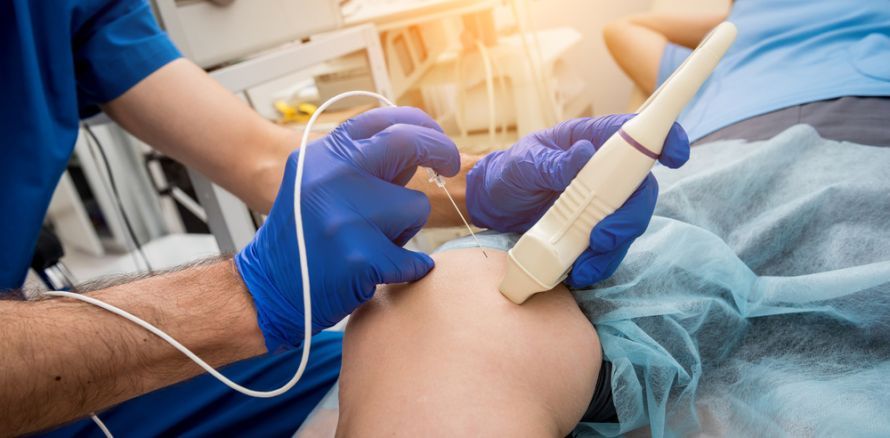
Electrophysiological testing (EPU) is a specialized cardiac catheterization procedure for patients with cardiac arrhythmias @ romaset /AdobeStock
Catheter Ablation: Ablation Instead of Medication
Many arrhythmias can now be permanently cured by selectively deactivating (ablating) the tissue responsible for the disorder. This is usually performed immediately following the diagnostic procedure.
Treatment of Atrial Fibrillation and Pulsed Field Ablation
The most common indication for such catheter ablations is the treatment of atrial fibrillation. As standard practice, pulmonary vein isolation is performed to block abnormal electrical impulses from the pulmonary veins. In addition to radiofrequency and cryoablation, pulsed field ablation is becoming increasingly established. This new method uses electric fields to selectively deactivate heart muscle cells without harming surrounding tissue. Ablations for atrial flutter are also routine procedures.
WPW Syndrome and Congenital Conduction Pathways
Catheter ablation is also highly effective in younger patients or those with a congenital arrhythmia such as WPW syndrome (Wolff-Parkinson-White syndrome). The extra conduction pathways are eliminated with pinpoint accuracy.
Implantation of Pacemakers and Defibrillators
The heart does not always beat too fast. In cases of slow heart rhythm disorders (bradycardia), the implantation of a pacemaker is often necessary. Rhythmology covers a broad spectrum in this context:
- Pacemakers: A pacemaker delivers electrical impulses when the heart’s own sinus node is beating too slowly.
- ICDs (defibrillators): These devices protect patients with severe heart disease from sudden cardiac death.
- CRT systems: For resynchronization in heart failure.
The implantation of pacemakers and defibrillators is among the most common surgical procedures. Follow-up care and regular monitoring of these devices are also an integral part of electrophysiology.
Diagnosis and Treatment of Congenital Heart Defects
Patients with congenital heart defects often develop complex cardiac arrhythmias over the course of their lives. The examination and treatment of these specific cases require the highest level of expertise and often 3D mapping systems to navigate safely through the altered anatomy. Invasive diagnostics and treatment help avert life-threatening cardiac situations in these cases.
Conclusion
Modern electrophysiology offers far more than just diagnostics. Whether through precise ablation, innovative procedures such as pulsed-field ablation, or the implantation of pacemakers: there is a tailored solution for almost every type of cardiac arrhythmia. Close collaboration within cardiology ensures optimal diagnosis and treatment, from the initial ECG to long-term care.
FAQ: Frequently Asked Questions About Electrophysiology
What happens during an EP study?
During an electrophysiological study (EPS), catheters are inserted into the heart through the groin to measure electrical currents. The procedure is usually performed under sedation.
When is an invasive electrophysiological study necessary?
It is necessary when there are unexplained heart rhythm disturbances that were not detected on the ECG, or when ablation is planned.
What is the difference between a pacemaker and an ICD?
A pacemaker stimulates the heart when the heart rate is slow. An ICD (defibrillator) can also do this, but its primary purpose is to terminate life-threatening tachycardia by delivering a shock.

Sources
flexikon.doccheck.com/de/Analgosedierung
herzstiftung.de/infos-zu-herzerkrankungen/herzrhythmusstoerungen/vorhofflimmern/vorhofflimmern-behandlung-katheterablation
hgz-goettingen.de/epu_ablation
Hindricks G et al., 2020 ESC Guidelines for the diagnosis and management of atrial fibrillation developed in collaboration with the European Association for Cardio-Thoracic Surgery (EACTS). European Heart Journal 2020; 42(5): 373–498, https://doi.org/10.1093/eurheartj/ehaa612
netdoktor.de/diagnostik/elektrophysiologische-untersuchung/
uke.de/kliniken-institute/kliniken/kardiologie/behandlungsangebot/interventionelle-elektrophysiologie/index.html