Rhinoplasty is a procedure of significant aesthetic and functional importance in the field of nasal surgery. Nasal surgery may be performed for both medically necessary and purely aesthetic reasons. The goal of rhinoplasty is to improve the shape of the nose while preserving or optimizing its function. Common concerns include a deviated nasal septum, problems with nasal breathing, or the desire for a more harmonious nasal shape.
Modern rhinoplasty procedures are individually planned and performed by an experienced specialist. The surgery may involve the bridge of the nose, the tip of the nose, or the nostrils. A comprehensive consultation and careful postoperative care are essential for a successful outcome of rhinoplasty.
What types of procedures are available for nose surgery?
When people are dissatisfied with the shape of their nose and have it corrected, this is referred to as cosmetic nose surgery. Accidents can also make cosmetic nose surgery necessary. However, there are also medical indications for nose surgery.
In such cases, the nose’s functions are impaired and the procedure is intended to restore them. The nose serves
- as an organ of smell,
- to filter and warm the air we breathe, and
- as a resonating chamber when speaking.
The procedure used in nasal surgery depends heavily on the medical indication.
Procedures that address the external nose—including cosmetic nose reshaping—are typically performed through rhinoplasty. Rhinoplasty refers, for example, to
- the removal of a bump on the nasal bone,
- altering the tip of the nose or the nostrils.
Rhinoplasty is divided into two subcategories:
- Nasal reduction surgery: Bone or cartilage tissue is removed, such as when removing a bump
- Nasal augmentation: Tissue is reconstructed or replaced.
Another surgical procedure is septoplasty. This method is used to correct the nasal septum. Such a correction of the nasal septum may be medically necessary if the deviation causes breathing problems and, consequently, sleep disturbances.
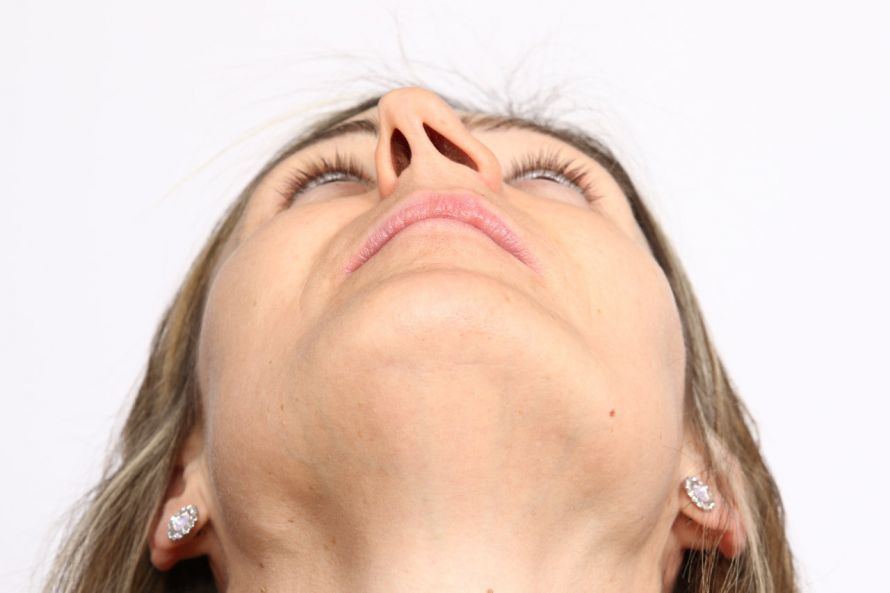
Problems with the nasal septum can be either congenital or the direct result of an accident. Very few people have a perfectly straight nasal septum. In most cases, however, this deviation does not cause any problems.
Only when the aforementioned nasal breathing problems arise is surgical correction necessary. If left untreated, a deviated nasal septum can lead to
- sinus infections,
- pharyngitis,
- middle ear infections, or
- nosebleeds
. Although procedures to straighten the nasal septum were already being performed at the beginning of the 20th century, they were not very gentle on the tissue. Today, surgeons remove cartilage only sparingly. They also incorporate the bony structures into the correction. During the operation, the crooked sections are removed and reinserted in a straightened position. A tamponade may also be used to control bleeding.
Are there risks associated with nasal surgery?
Bleeding can occur during nasal surgery. Many patients find the removal of the packing—which may be inserted after a septoplasty—particularly uncomfortable. Today, doctors take great care when removing this packing. When performed by experienced surgeons, pain is unlikely to occur.
More severe bleeding can occur if the enlarged turbinates (spongy tissue) are also treated during nasal septum surgery. This is usually done to achieve lasting, good results. Otherwise, the typical surgical risks apply to nasal surgery: infections and wound healing complications.
Long-term complications of nasal surgery may include the nasal septum becoming crooked again after septoplasty (recurrence). With cosmetic surgery, undesirable changes may occur some time after the procedure. Choosing the right surgeon is therefore crucial to achieving optimal results.
Conclusion
Nose surgery is one of the most challenging procedures in the field of rhinoplasty, as it aims to improve not only the aesthetics but also the shape and function of the nose. The nose defines the face like almost no other feature and influences one’s entire appearance. At the same time, functional aspects such as unobstructed breathing, the treatment of snoring, or the correction of chronically impaired nasal function play an important role. Modern techniques allow for targeted correction of the tip of the nose, the bridge of the nose, or the nasal septum without compromising the natural harmony of the face.
For many patients, improving their quality of life is the primary goal, even more so than the aesthetic change. Symptoms caused by allergies, a deviated nasal septum, or other functional limitations can be significantly reduced through a professionally performed rhinoplasty. If there is a medical indication, health insurance may cover part of the cost of the procedure in certain cases.
Since every nose has a unique structure, the procedure should be performed exclusively by experienced rhinoplasty surgeons. These surgeons take both aesthetic preferences and medical needs into account and develop a customized treatment plan. Careful planning, realistic expectations, and consistent follow-up care are crucial for a long-term satisfactory result. Thus, rhinoplasty can not only improve the nose’s appearance but also optimize its function and contribute to a lasting improvement in quality of life.
FAQ
What are the most common reasons for rhinoplasty?
Among the most common reasons for rhinoplasty are aesthetically bothersome changes to the nose as well as functional issues. Many patients wish to have a nasal hump, the tip of the nose, or the bridge of the nose corrected. Others suffer from a deviated nasal septum, which impairs breathing and reduces the amount of air flowing through the nose.
How does a rhinoplasty procedure work?
The rhinoplasty process begins with a personal consultation with an experienced specialist. During this consultation, the external shape of the nose, the interior of the nose, and the patient’s individual wishes are analyzed. Rhinoplasty is usually performed under general anesthesia and can be carried out as an open rhinoplasty or using other surgical techniques. Depending on the findings, the cartilage, nasal bridge, or nasal septum is corrected.
What are the risks and complications associated with rhinoplasty?
Like any surgical procedure, rhinoplasty carries a certain degree of risk. Possible complications include swelling, postoperative bleeding, bleeding, scarring, or temporary difficulty breathing through the nose. Since the nose is a complex organ, the surgery should be performed exclusively by an experienced nasal surgeon or specialist.
Are there alternatives to traditional rhinoplasty?
In certain cases, non-surgical rhinoplasty or rhinoplasty using hyaluronic acid may be an option. However, these procedures are only suitable for minor aesthetic changes and do not replace functional rhinoplasty or septoplasty. Whether such a correction is appropriate depends on the individual’s nasal shape.
How long does recovery take after rhinoplasty?
The rhinoplasty procedure itself usually takes one to three hours. After the surgery, many patients wear a nasal splint to stabilize the new shape. Swelling gradually subsides, while the final result of a rhinoplasty often becomes visible only after several months. Careful postoperative care, wearing glasses only after medical clearance, and following all recommendations promote natural results and a successful rhinoplasty.

About the medical author
Prof. ThomasP. U. Wustrow
Medical Author · Partnerand physician at the Joint ENT Practice
Prof. Dr. med. Dr. med. habil. Thomas P. U. Wustrow – medical author: expert articles, professional insights and medical knowledge in the Leading Medicine Guide.