Expert Interviews
“Learning to See the Person Behind the Illness” — An interview with PD Dr. med. Weißenberger and Carsten Witte from the Center for Radiation Therapy in Freiburg

Dorina Marlen Heller ·
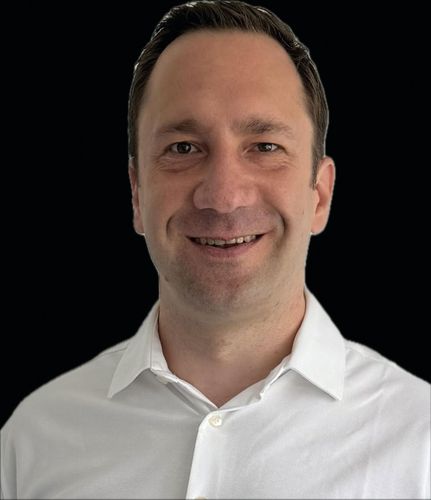
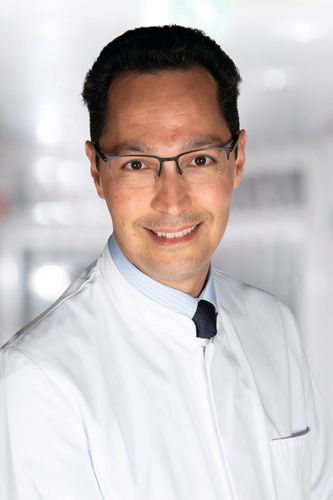
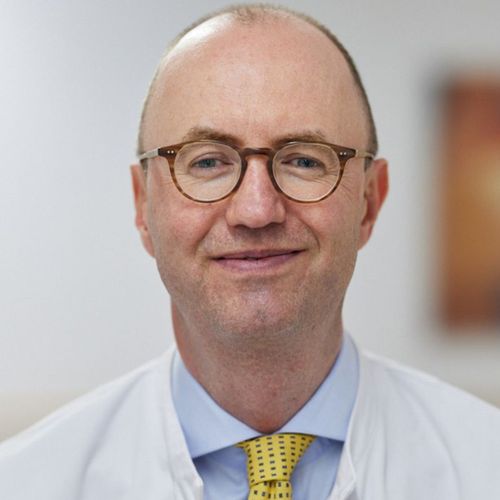
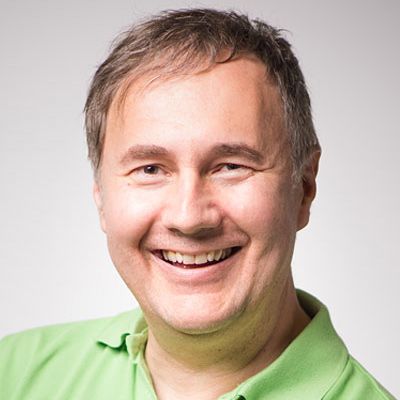
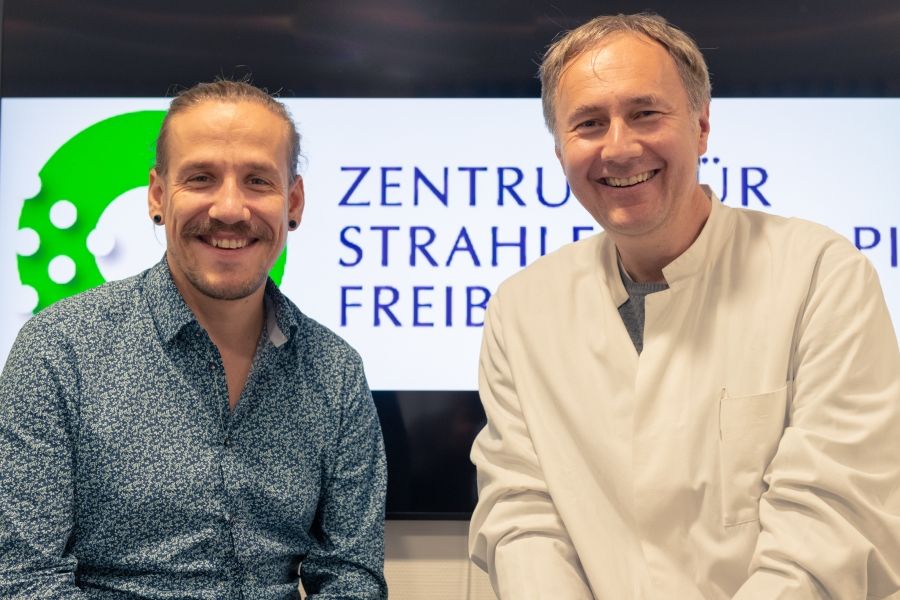
With his Center for Radiation Therapy, PD Dr. med. Christian Weißenberger provides an important point of contact, particularly for cancer patients in the greater Freiburg area: A recognized specialist in radiation oncology and radiation therapy, he provides personalized treatments in a very pleasant atmosphere at his state-of-the-art center, treatments that are always precisely tailored to the needs of each individual patient. As a result, numerous people have regained a high quality of life here. But the care provided at this renowned center goes far beyond medical treatment: PD Dr. Weißenberger has specifically created a permanent position for the psychosocial support of his patients: Carsten Witte, a health educator and founder of the self-help group “Jung und Krebs e.V.” in Freiburg, started this organization for young adults with cancer after he was diagnosed with bone cancer himself. At the Center for Radiation Therapy, he is responsible for psychosocial care. PD Dr. med. Christian Weißenberger, founder and director of the Freiburg Center for Radiation Therapy, joins Carsten Witte in answering many questions that are particularly important and interesting for people with cancer.
Leading Medicine Guide: Dear Dr. Weißenberger, dear Mr. Witte, you represent an unusual and rare combination here in Freiburg. Since October 2019, the Center for Radiation Therapy has had a permanent position dedicated to providing psychosocial support for your patients! How did that come about?
PD Dr. med. Christian Weißenberger: When I began setting up an independent radiation therapy practice in Freiburg, the social aspect was important to me from the very beginning. The practice has grown steadily since then—today we have nearly fifty employees and are well-established in Freiburg. But when selecting our team, the human aspect remains our top priority. Of course, our patients sense this too: we want people to feel as comfortable as possible here. That’s why, at some point, the idea arose to offer our patients very special psychosocial support.
Carsten Witte: I met Dr. Weißenberger in 2014 at the founding ceremony of the “Jung und Krebs” association, where I serve on the board. It was an event that featured presentations by doctors, patients, and family members—and I immediately noticed that he was taking an unconventional approach with his radiation therapy center. Even back then, I said to him with a wink, “Christian, what you’re doing at your practice sounds great—I’m going to work for you someday!” And now here I am...
PD Dr. med. Weißenberger: Because we support patients over an extended period of time, we’ve decided to assist them with their additional needs as well. Whether that means connecting them with a dance club, advising them on follow-up care, helping them adjust their diet, or treating side effects with natural remedies: We offer a wide variety of services, and each staff member has their own area of expertise. And that’s where Carsten brings his expertise as a former cancer patient and health educator to bear.
“…doing something life-affirming”
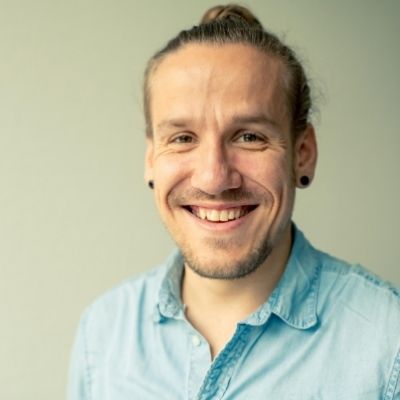
Carsten Witte: Exactly: I was a cancer patient myself. In 2011, at the age of 24, I was diagnosed with a bone tumor in my left arm. Three years later, lung metastases were also detected. I’ve been cancer-free for five years now. Because of the illness, I started thinking about where my life should actually be headed. I was a temporary soldier at the time, and I definitely didn’t want to continue that.
 Leading Medicine Guide: How did you go from being a conscript to a psychosocial counselor at the Center for Radiation Therapy?
Carsten Witte: Well, first of all, I went back to school and earned my high school diploma. Then I realized: I want to do something life-affirming with people. After traveling for half a year, I discovered health education, which encompasses everything that influences people—psychologically, socially, physically, nutritionally, and so on—and that’s what I ended up majoring in. In the summer of 2019, I completed my bachelor’s degree in health education here at the University of Education in Freiburg.
Leading Medicine Guide: And how did you come to be part of the practice team?
PD Dr. med. Christian Weißenberger: The background was that we founded a nursing clinic with one of our nurses, Tania Lopez. There, we take care of the nursing aspects of radiation therapy treatment. This primarily involves skin and mucous membrane care, but we soon expanded this to include many other aspects, such as nutrition, dance, and exercise. We also provide individualized support to our patients through a wide range of counseling services, for example, if they need a walker or a wig. We also connect them with self-help groups.
Leading Medicine Guide: Such as “Young and Cancer.”
PD Dr. med. Christian Weißenberger: Yes, we came across the “Jung und Krebs” association in the context of facilitating contacts and providing support for activities. I was deeply impressed by that first event I mentioned earlier, where I also met Carsten.
Carsten Witte: That was when the association was founded, which also took “Jung und Krebs e.V.” to a new legal level. Initially, we were active only as a self-help group.
Leading Medicine Guide: And what makes this organization so special?
Carsten Witte: Essentially, we have four pillars: As a traditional self-help group, we hold monthly meetings in a safe space where we can retreat. Then we organize health-promoting group activities, such as many sports events—like a recent self-defense course or participating in the Freiburg Marathon, where twenty of us crossed the finish line together last year.
“Cancer scares a lot of people”
Of course, public outreach is also important to us in order to break the taboo surrounding the topic. After all, cancer frightens many people—and we want to help those affected overcome this stigma. Because when I walk through town with a bald head and a bloated face from cortisone, and people cross the street to avoid me, something is wrong with this society. We’re trying to counteract that.
PD Dr. med. Christian Weißenberger: You know, there’s so much information and so many appointments for new cancer patients to process—it’s far too much for someone in a situation of existential fear. Ideally, every new cancer patient should be assigned a personal manager or assistant. A sort of oncology navigator—the training program Carsten will complete next year. And at first, it’s mostly just about everyday matters, not to mention their wishes.
Carsten Witte: That’s almost the most important pillar of “Jung und Krebs”: fulfilling wishes. Thanks to the donations we receive from companies and private individuals, we can fulfill the wishes of cancer patients during chemotherapy or even in the final phase of their lives. This way, we can show them that life is still worth living. Recently, for example, we fulfilled a patient’s final wish to travel to the North Sea because he wanted to see the ocean one last time in his life.
Leading Medicine Guide: You’ve specialized in young cancer patients through the work of the “Jung und Krebs” association. How do their needs differ from those of older patients?
Carsten Witte: Well, if by “young patients” we mean people between the ages of 18 and 39, then these individuals are usually still in the process of finding their way in life. It’s about falling in love, having children, and finishing college. A cancer diagnosis hits them like a slap in the face. Young people find themselves in a different situation than older patients. The existential hardships that arise are a huge issue in and of themselves: Here, the focus must be shifted; often, the first step is to clarify social welfare and legal issues.
PD Dr. med. Christian Weißenberger: It’s also always about the context of an illness: With young patients, those around them react very differently. Then the question is to what extent a young patient perceives this as a burden or as support. With older patients, of course, this varies as well. Young patients sometimes have to withdraw because they struggle to cope with the intense attention.
Carsten Witte: When I was diagnosed with cancer and undergoing chemotherapy, I knew that the pain and nausea were only temporary. But at the same time, I saw what my friends were doing during the summer months, while all of that was passing me by because I had to focus on my illness and my life. In that case, the psychological strain is immensely greater than the physical one. And this is exactly where I can now use my own experience to help patients find ways to cope. This can help establish a new normal after the illness.
Leading Medicine Guide: What exactly are your responsibilities at the Center for Radiation Therapy?
Carsten Witte: I’m currently working full-time with Dr. Weißenberger, but my specific responsibilities are still taking shape. I talk a lot with patients to find out what their individual challenges are—and what resources can help alleviate them. I’m also the point of contact for social welfare matters.
Leading Medicine Guide: And how is Carsten Witte changing the Center for Radiation Therapy?
PD Dr. med. Christian Weißenberger: The exact responsibilities will become clear over time. But I’ve noticed that I’m thinking about many things differently. Carsten has told me a lot about his own experiences—and that shows that many doctors still handle bad news in an unprofessional manner. In Germany, as recently as the 1960s, people were simply lied to. Today, of course, we must be completely open with all patients about their prognosis. But I have to stop when I realize that the patient isn’t ready to hear any more. Sometimes that can only happen once a closer relationship of trust has been established.
Carsten Witte: I try to give cancer patients a sense of normalcy. When I’m hospitalized for three or four months, walking through the ward with a whole tree of IVs and my hair falling out, nothing feels normal. So when someone does something kind for me, brings me joy—that’s an important step. Of course, after the illness, you also have to grapple with what “normality” even means—the illness makes you reflect on life.
PD Dr. med. Christian Weißenberger: We’re trying to bring different elements together here: on the one hand, high-quality conventional medicine combined with an openness to alternative and complementary approaches—to everything that otherwise affects patients. My job is to bring these elements together and communicate to the outside world what we’re doing and that it works. For example: We had the work and services of our outpatient nursing clinic scientifically evaluated. It was important to us to use nursing science methods to show that it benefits patients.
Exemplary Outpatient Nursing Clinic
Leading Medicine Guide: But that goes beyond traditional radiation medicine.
PD Dr. med. Christian Weißenberger: Absolutely. We combine several areas of focus that go far beyond radiation oncology. I’m also a palliative care physician; one colleague specializes in naturopathy and complementary medicine, and another in psycho-oncology. Psychosocial support provided by a health educator fits perfectly into this. At the outpatient care clinic, we focus strongly on the patients’ needs. Some need support with nutrition and exercise. Dancing, for example, is a very important aspect: We’ve partnered with a dance club, because a cancer diagnosis also puts a huge strain on relationships. Dancing together can play an important role here. So we offer a wide variety of services. Originally, much of this originated from the outpatient care clinic, but with Carsten on the team, we now have entirely new possibilities.
Carsten Witte: In the long term, I also see intervention programs in the clinic aimed at increasing patient empowerment. As a cancer patient, you long to take back responsibility for yourself and your own body—especially after the treatment phase, when you have to relinquish so much control. There are great interventions for improving life skills—I see potential here for training programs to help patients take control of their own lives again.
PD Dr. med. Christian Weißenberger: Carsten teaches us all a thing or two as well. In medicine, we often ignore the reality of what illness truly means. I have great respect for him in that regard. Because of his own cancer diagnosis, his surgeries, and his involvement with the “Jung und Krebs” association, he can genuinely empathize with patients’ situations.
Leading Medicine Guide: This commitment certainly makes the Center for Radiation Therapy special. Yet your main areas of focus are actually quite different!
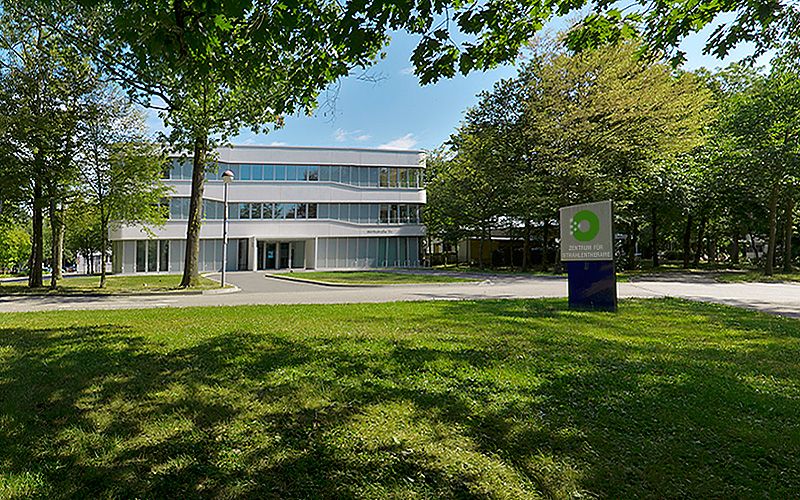
PD Dr. med. Christian Weißenberger: In our own areas of focus, we’re on par with university-affiliated providers. We treat many patients with breast and prostate cancer; another major focus is gastrointestinal tumors, and sometimes lung cancer as well. But we also treat many patients with metastatic cancer as part of palliative care—that is, bone metastases or brain metastases, as well as treatments for liver and lung metastases. So we cover a broad spectrum—and we offer high-quality, cutting-edge medical care at the top international level: When we became the first facility in the country to put a state-of-the-art, latest-generation 3-Tesla MRI scanner into operation, it made major headlines—we were pioneers in this field. This device enables computed tomography with a radiation dose comparable to that of a standard X-ray. At the same time, we also take into account other aspects related to the illness to ensure optimal care for our patients. And because there are patients who require crisis intervention in the form of intensive care, we address this need within our range of services.
Leading Medicine Guide: How does your above-average patient care impact the public perception of your practice?
PD Dr. med. Christian Weißenberger: The concept of patient care and a focus on social issues have shaped our daily practice from the very beginning. Everyone who works here knows what it’s really all about. Of course, this isn’t easy—it’s a never-ending process when our own standards are very high. What’s important is having a structure that can handle a lot. At the same time, we want to maintain our openness and our approach to tackling things throughout the entire team. I have a truly great team! To go a step further and offer more than just conventional medical care, you also need that certain something special. And you’ll find that here with us.
Carsten Witte: Doctors aim to help patients recover. And when that’s no longer possible, to maintain their quality of life for as long as possible. I think it’s very important to always take patients’ needs into account—but of course also to incorporate empirical data and scientific research findings and to explain to patients what the best solution would be.
Fundamentally, doctors are experts when it comes to human disease. But our goal is also to see the person behind the illness. And that is what motivates us every day.
Leading Medicine Guide: Thank you very much for the interview and the special insights into your work!
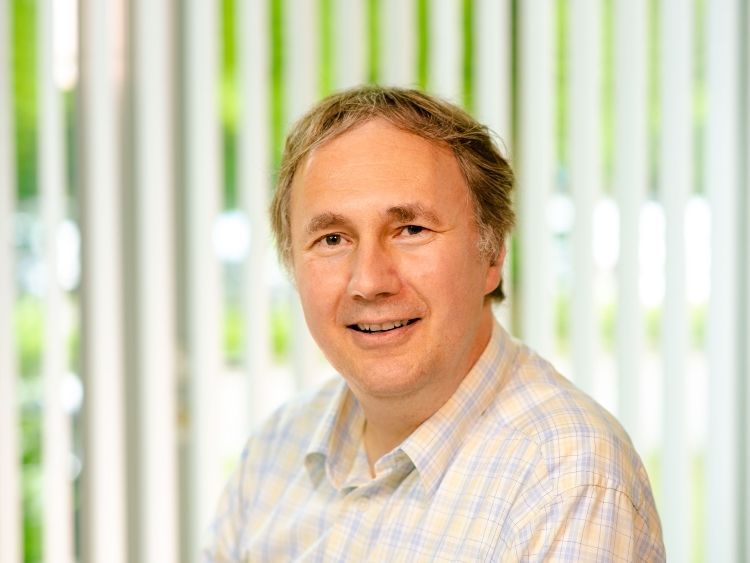
PD Dr. med. Christian Weißenberger is the director of the Outpatient Center for Radiation Therapy and Radio-Oncology in Freiburg im Breisgau. In addition to using the most modern and sophisticated technology, the center places a special emphasis on treating patients in a way that takes into account their individual needs. As a result, the interdisciplinary team ensures that radiation therapy is provided not only with professional expertise but also with a high level of social competence.
Carsten Witte is a health educator and founder of the self-help group “Jung und Krebs e.V.” in Freiburg. In addition to regular meetings, community activities, and public outreach, fulfilling wishes is an important part of the association’s work: Through donations, the association strives to fulfill small and large wishes for seriously ill cancer patients.
Share this article
Expert Interviews
Read next
- Expert interview
Expert interview with Professor Dr Elmar Herbst, PhD
Oct 15, 2026
Patient-centred and personalised knee surgery
Read more - Expert interview
Cardiogeriatrics: Significance and benefits in the context of hospital reform
Sep 21, 2026
Cardiogeriatrics: Significance and benefits in the context of hospital reform
Read more - Expert interview
Expert Interview with Professor Dr. Amadeus Hornemann, MPH
Sep 18, 2026
Prof. Amadeus Hornemann on Precision Medicine in Gynecology: Modern Surgery, New Techniques, Better Quality of Life
Read more