News
HPV Viruses: Invisible, Widespread, and Often Underestimated

Melanie Al Tikriti, BSc ·
Why This Virus Affects So Many People—and Why Ignoring It Isn't a Good Idea
HPV—three letters that many people have heard of, but hardly anyone can really put into context. Yet human papillomaviruses are among the most common viral infections of all. Most people come into contact with it at some point in their lives, often without even realizing it. That’s exactly what makes this topic so sensitive: HPV usually doesn’t cause any immediate symptoms. No pain, no fever, no clear warning signs. Everything seems fine—yet changes can still develop in the background that may have serious consequences later on.
Many people automatically associate HPV with a “taboo topic.” People simply don’t like to talk about viruses related to sexuality. This leads to a lack of information, unasked questions, and people not taking advantage of preventive care services. Yet HPV has nothing to do with guilt or inappropriate behavior. It is a very common infection that affects people in everyday situations. 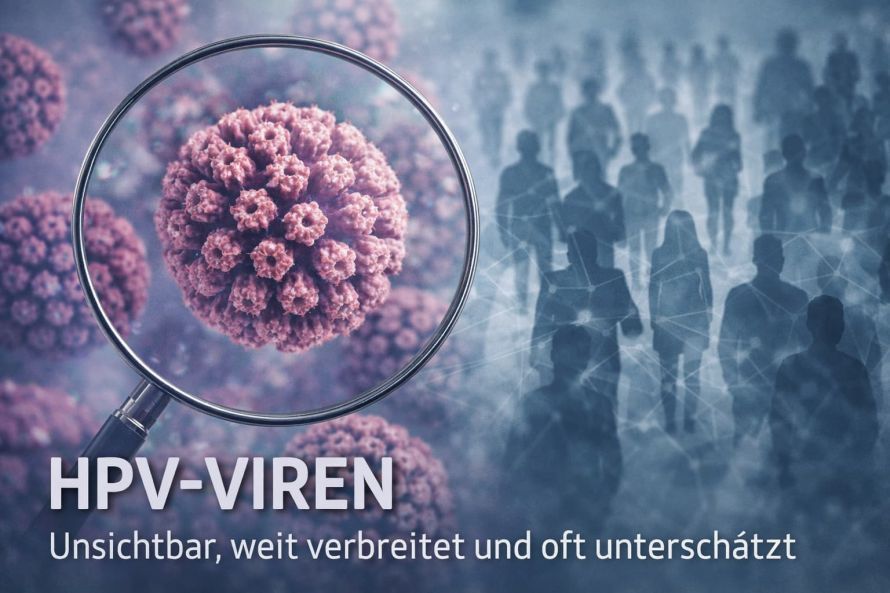
One Virus, Many Forms
Not all HPV is the same. There are numerous different types of the virus. Most, however, are harmless and clear from the body on their own. The immune system does its job without those affected even realizing they were infected. The problematic types, however, are those that can alter cells. These changes develop slowly, often over the course of years. The link to cervical cancer is particularly well known, but other types of cancer are also associated with certain HPV types.
The insidious thing about this is that a long time often passes between infection and the onset of disease. During this phase, those affected feel healthy. There is no reason to be suspicious or to seek medical advice—and that is precisely why the risk remains undetected for so long.
Why the Issue Is So Underestimated
HPV is often dismissed as “not that bad” because most infections have no consequences. This knowledge leads many to a certain indifference, and at the same time, there is often a lack of awareness that it is precisely the few problematic cases that can have major consequences. Preventive care then seems unnecessary or is put off.
Another reason for this underestimation lies in the invisibility of the problem. Those who have no symptoms feel healthy. In everyday life, other concerns take center stage: work, family, obligations. Health often only becomes a priority when something is noticeably wrong.
Protection Starts with a Decision
Prevention is not an abstract concept, but a concrete decision to prioritize one’s own health. The HPV vaccine offers protection against the most dangerous strains of the virus and significantly reduces the risk of certain cancers. It is most effective when administered early, before any exposure to the virus has occurred. Nevertheless, it can still be beneficial later on because it protects against other types of the virus.
In addition to vaccination, screening plays a crucial role. Regular checkups can detect changes long before they cause symptoms. This isn’t a matter of fear, but of being vigilant. Knowing early gives you more options for action.
Among the most important protective factors are:
- early information about HPV and its potential consequences
- Taking advantage of recommended vaccination programs
- regular screenings
- taking a proactive approach to one’s own health
All of these factors are interrelated and are most effective when they are integrated into daily life.
HPV affects us all
For a long time, HPV was primarily considered an issue for women. This perception persists, but it is incomplete and simply incorrect. Men can also become infected, transmit the virus, and develop health complications themselves. Prevention only works effectively when everyone is included. This issue affects not just individual groups, but society as a whole.
Preventive care is not a sign of fear
Many people put off preventive screenings. The thought of them is unpleasant and sometimes even associated with shame. But prevention is not an expression of fear, but of responsibility. It means taking your own body seriously and not waiting until it’s too late to react.
Conclusion: Look, don’t look away
HPV viruses are invisible, widespread, and often underestimated. Precisely because the infection usually goes unnoticed, conscious preventive care is so important. Information, prevention, and regular checkups provide peace of mind. Those who do not avoid the topic but address it objectively take responsibility for their own health—without panic, but with awareness.
Share this article
Verified expertise
Recommended specialists
9 specialists
9 results




Dr. med. univ. Nicolas Rickert
Saarbrücken


Dr. Talal Ebash
Dubai




Prof. Dr. med. Marko Brock
Recklinghausen


News
Read next
- News
Scabies: A contagious skin disease that is easily treatable
Oct 26, 2026
Severe itching and minor skin changes should be taken seriously
Read more - News
Heat Rash: What's Behind the Itchy Blisters
Oct 23, 2026
Heat Rash: Heat and Sweat Can Disrupt the Skin's Balance
Read more - News
Enlarged Prostate – When Medication Is Sufficient and When Surgery Is Recommended
Oct 21, 2026
Why Many Men Ignore Urinary Problems for Too Long
Read more