News
Recognizing Insulin Resistance: When Blood Sugar Levels Become Unbalanced

Melanie Al Tikriti, BSc ·
When the body responds less effectively to insulin
Insulin is a key hormone in the body that regulates blood sugar. It ensures that sugar from the blood enters the cells, where it is used as energy. In insulin resistance, this very process no longer functions properly. The cells become less sensitive to insulin. The body tries to compensate by producing more insulin. Initially, this often keeps blood sugar levels within the normal range, making the problem difficult to detect. Over time, however, this system becomes unbalanced because the body must constantly work to counteract the reduced effectiveness of insulin.
This condition usually develops gradually and goes unnoticed for a long time. Many people affected initially feel only slightly impaired, without knowing the exact cause. Specialists in diabetes care can provide early assistance in such cases.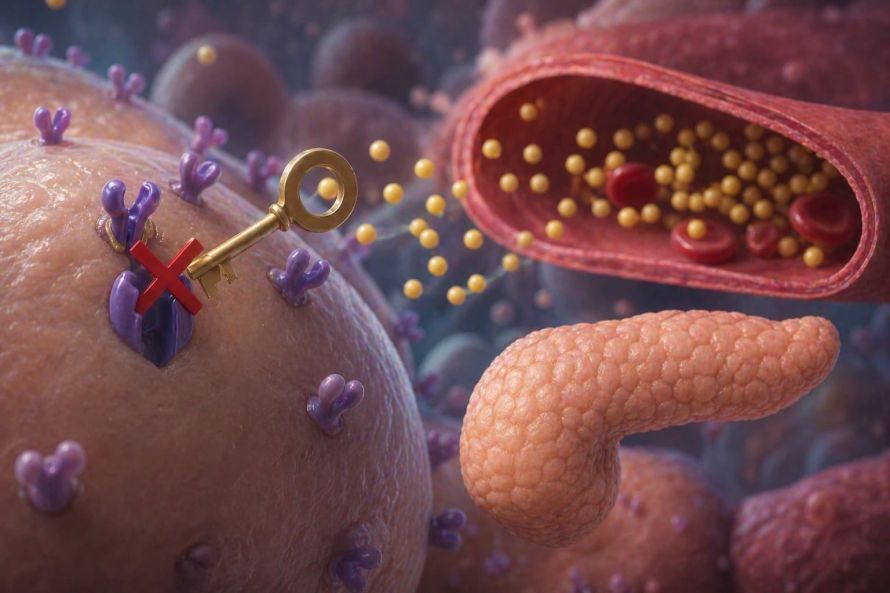
What Happens in the Body
After a meal, blood sugar levels rise. Insulin is released so that sugar can be taken up by the cells. In insulin resistance, this uptake is impaired. The cells no longer “respond” adequately to the available insulin. As a result, more and more insulin is needed to achieve the same effect. This condition is known as hyperinsulinemia. The body is in a state of constant imbalance, even though blood sugar levels may initially still appear normal.
In the long term, this constant strain causes the pancreas to become less efficient. Eventually, insulin production is no longer sufficient, and blood sugar levels rise. At this stage, type 2 diabetes can develop.
Typical Signs of Insulin Resistance
Insulin resistance rarely presents with clear-cut symptoms. A common pattern is the alternation between brief bursts of energy and rapid lows. The body reacts sensitively to blood sugar fluctuations, which can be clearly noticeable in everyday life. Instead of distinct symptoms, several nonspecific complaints usually occur simultaneously:
- Severe fatigue after eating
- Cravings for sweets or fast-acting carbohydrates
- Weight gain, especially around the abdomen
- Difficulty concentrating or “brain fog”
- Fluctuating energy levels throughout the day
Common everyday causes
The development of insulin resistance is closely linked to lifestyle. Several factors can impair the body’s response to insulin.
- High consumption of sugar and highly processed foods
- Lack of physical activity
- Excess weight, particularly visceral abdominal fat
- Chronic stress
- Lack of sleep or irregular sleep patterns
Abdominal fat, in particular, is metabolically active and can influence hormonal processes. It contributes to a further decline in insulin sensitivity. Metabolic syndrome can thus develop gradually.
Why Insulin Resistance Often Goes Undetected
A key problem is that blood sugar levels can remain within the normal range for a long time. The body compensates for the reduced effectiveness of insulin by producing more of it. This creates the impression that everything is fine, even though an imbalance already exists. Only when insulin production is no longer sufficient do blood sugar levels rise noticeably. Many people affected do not notice the changes until late in the process, when several symptoms are already occurring simultaneously or unexplained weight gain becomes apparent. Lipid metabolism disorders can also occur in this context.
When an Evaluation Is Recommended
Early evaluation can help prevent long-term complications. Particular attention should be paid to typical symptoms or risk factors.
- Frequent fatigue after meals
- Recurring intense hunger
- Unexplained weight gain
- Family history of diabetes
Diagnosis typically involves measuring fasting blood sugar, insulin levels, and, if necessary, other parameters. Diabetes screening makes it possible to assess insulin sensitivity early on and take preventive measures.
What Really Helps
The good news is that insulin resistance can often be positively influenced. The goal is to improve the cells’ sensitivity to insulin.
Regular exercise: enhances insulin’s effectiveness
A balanced diet: stabilizes blood sugar
Weight loss: for those who are overweight
Stress reduction: to relieve the body
Reducing sugar and simple carbohydrates
Exercise, in particular, has a direct effect: Muscles can absorb sugar even without insulin, which helps regulate blood sugar levels. In addition, nutritional counseling can help you find the right strategy for your daily life.
Conclusion: Early detection and active intervention
Insulin resistance is a common metabolic disorder that develops gradually and often goes unnoticed for a long time. This is precisely why it’s important to take early signs seriously. With targeted changes to daily habits, insulin sensitivity can often be significantly improved. A balanced diet, regular exercise, and effective stress management help stabilize blood sugar levels and reduce long-term health risks. If you suspect you may have insulin resistance, it is recommended that you consult a specialist in endocrinology and diabetology.
Share this article
News
Read next
- News
Scabies: A contagious skin disease that is easily treatable
Oct 26, 2026
Severe itching and minor skin changes should be taken seriously
Read more - News
Heat Rash: What's Behind the Itchy Blisters
Oct 23, 2026
Heat Rash: Heat and Sweat Can Disrupt the Skin's Balance
Read more - News
Enlarged Prostate – When Medication Is Sufficient and When Surgery Is Recommended
Oct 21, 2026
Why Many Men Ignore Urinary Problems for Too Long
Read more