News
Recognizing Silent Inflammation: Symptoms and What Happens in the Body

Melanie Al Tikriti, BSc ·
When the Immune System Remains Chronically Active
Inflammation is a natural part of the body’s defense mechanism. It helps fight off pathogens and heal injuries. However, problems arise when these processes do not fully subside but persist in the background.
This is referred to as silent or chronic inflammation. It progresses without clear, acute symptoms and therefore often goes unnoticed for a long time. Nevertheless, it can place a lasting strain on the body and cause various symptoms that are often not directly attributed to it in everyday life. Precisely because it does not send clear warning signals, it is often underestimated.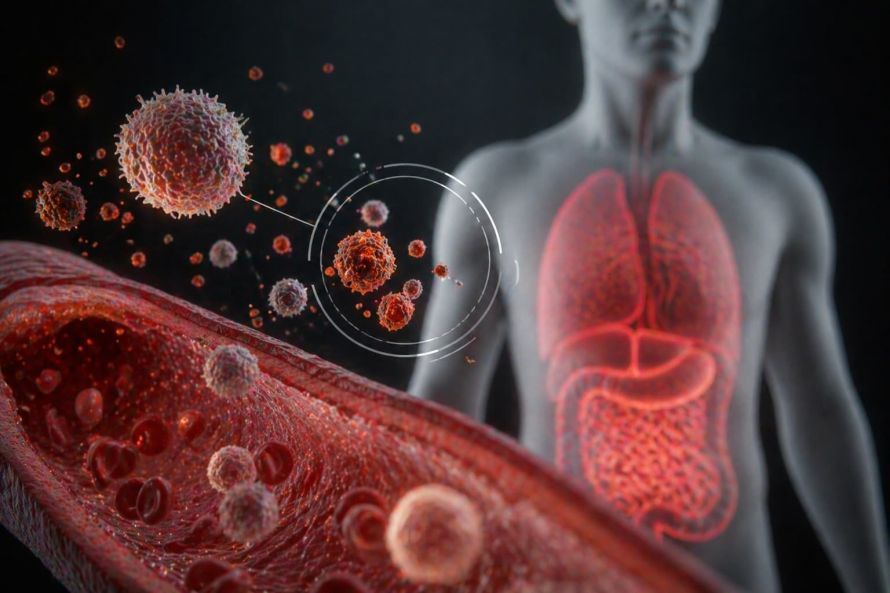
What Happens in the Body During Silent Inflammation
Inflammation is the immune system’s response to stress. During this process, so-called inflammatory mediators are released to activate immune cells and protect the body. This process is important and beneficial as long as it remains temporary. However, if this reaction persists, a state of constant activity develops. The immune system continues to work even though there is no longer an acute threat. As a result, resources that are actually needed for regeneration and recovery are constantly being depleted. This condition is referred to as low-grade inflammation. It is less intense than acute inflammation but has a detrimental long-term effect. The body is thus in a constant state of a kind of subliminal stress response.
Typical Symptoms of Silent Inflammation
Silent inflammation is difficult to detect because it does not cause any clear symptoms. Instead, several nonspecific symptoms often appear simultaneously.
- Persistent fatigue and exhaustion
- Difficulty concentrating or mental fogginess
- Frequent infections
- Joint or muscle pain with no clear cause
- Digestive problems
Many people affected feel like they’re “not quite right” all the time, without being able to pinpoint exactly why. It is precisely this combination of various, relatively mild symptoms that is typical.
Common causes in everyday life
Silent inflammation usually results from a combination of several factors. The modern lifestyle, in particular, contributes to the body being under constant strain. These factors include, among others:
- A diet high in processed foods
- High sugar intake
- Lack of exercise
- Chronic stress
- Lack of sleep
Being overweight also plays a role. Adipose tissue is not only an energy store but is also hormonally active and can release pro-inflammatory substances. This creates an additional stressor for the body.
Connection to the Immune System
The immune system reacts sensitively to changes in the body. If it remains constantly activated, it loses its natural balance. It then no longer responds only to actual threats but remains in a constant state of activity. This state can impair the body’s ability to regenerate. Processes such as cell repair, recovery, and energy production are compromised. At the same time, overall stress increases, even in the absence of an acute illness.
Effects on Health
Chronic inflammation affects many areas of the body. Metabolism, digestion, and overall energy levels are particularly affected. Many people report persistent fatigue even though they get enough sleep. Problems with concentration or reduced performance may also occur. The body is constantly working in the background, leaving less energy available for daily life. In the long term, silent inflammation can increase the risk of various chronic conditions, as it keeps the body under constant strain.
Why Silent Inflammation Often Goes Undetected
A key problem is the lack of clear symptoms. Unlike acute inflammation, there is no pain, no swelling, and no obvious warning signs. The symptoms are usually vague and are attributed to other causes, such as stress or exhaustion. As a result, the actual cause often remains unrecognized for a long time.
Only when several symptoms occur simultaneously or persist over a longer period of time is a more thorough evaluation considered.
When Further Evaluation Is Recommended
Even if the symptoms are nonspecific, there are signs that should be taken seriously.
- Persistent fatigue with no apparent cause
- Recurring symptoms in various areas
- Frequent infections
- A general feeling of physical strain
Blood tests can provide clues about inflammation levels and help better assess the situation.
What Really Helps
To reduce silent inflammation, a holistic approach is important. The goal is to relieve the body and restore balance to the immune system.
- A balanced diet with fresh foods
- Reducing sugar and highly processed foods
- Regular exercise
- Adequate sleep
- Stress reduction and prevention
These factors work together and can reduce inflammatory activity in the body over the long term.
Conclusion: Detect silent inflammation early and take action
Silent inflammation is widespread and often goes unnoticed for a long time. That is precisely why it is important to pay attention to nonspecific symptoms and take your body seriously. Targeted changes in your daily routine can significantly reduce the burden of inflammation. A mindful diet and a healthy lifestyle help restore balance in the body and support long-term health. Taking action early on can not only alleviate symptoms but also lead to greater energy and well-being over the long term. If symptoms persist, it is recommended to consult a specialist in internal medicine.
Share this article
About the medical author
Melanie Al Tikriti, BSc
Editor
Melanie Al-Tikriti, BSc – author: Explore expert medical articles in the Leading Medicine Guide.
More about the medical author →News
Read next
- News
Parkinson's Disease – Modern Therapies and New Treatment Options
Oct 9, 2026
Parkinson's: Why an Early Diagnosis Can Have a Positive Impact on the Course of the Disease
Read more - News
Kidney Stones – Modern Treatments, from Shock Waves to Lasers
Oct 7, 2026
Why Sudden, Severe Flank Pain Can Be a Warning Sign
Read more - News
Retinal Detachment: Flashes of Light Can Jeopardize Vision
Oct 5, 2026
Retinal Detachment: Quick Action Can Save Your Eyesight
Read more