Expert Interviews
And Suddenly, Everything Changes—The Stroke: An Expert Interview with Prof. Dr. med. Christoph Kleinschnitz

Alexandra Pfitzmann ·
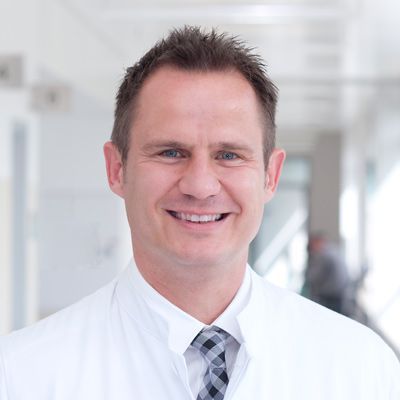
In the field of neurology, Professor Christoph Kleinschnitz, M.D., is a leading figure and a highly respected expert on strokes. As the director of Germany’s oldest “stroke unit” at Essen University Hospital, he has earned an outstanding reputation and is considered a pioneer in interdisciplinary collaboration. With a deep understanding of the urgency of stroke treatment, this experienced neurologist emphasizes the importance of every minute in such situations. Prof. Dr. Kleinschnitz has a broad focus in neurology, with specializations in areas such as stroke, multiple sclerosis, Parkinson’s disease, neuroimmunology, neuropathy, and neurovascular diseases. His expertise also extends to the early detection of strokes, where he has made valuable contributions. In 2009, he assumed leadership of the Stroke Unit and the Neurology Outpatient Clinic at the University Hospital of Würzburg, where strokes and cerebrovascular diseases are treated. His outstanding work in this field led to widespread recognition of his expertise. Beginning in 2010, he also headed the Clinical Research Group for Multiple Sclerosis and Neuroimmunology, and in 2016 he moved from Würzburg to the University Hospital Essen. Prof. Dr. Kleinschnitz has received numerous awards for his groundbreaking contributions to neurology and remains a driving force in the research and treatment of strokes and other neurological disorders. His commitment to the medical community and his ongoing dedication to improving patient care make him a central figure in modern neurology. The editorial team at Leading Medicine had the opportunity to speak with Prof. Dr. Kleinschnitz to shed more light on the critical topic of “stroke.”
A stroke (apoplexy) is an acute disturbance of cerebral blood flow and the third leading cause of death in Germany. It is usually caused by a blood clot that has traveled to the brain and blocked an artery there. Furthermore, ruptured blood vessels can lead to cerebral hemorrhages and cause a stroke. A stroke is a medical emergency and must always be treated as quickly as possible. A stroke is accompanied by neurological deficits, which can vary in severity, such as tremors or numbness. Some are temporary, others permanent. A stroke significantly changes a person’s life—a large proportion of disabilities in patients over the age of 50 are attributable to a stroke.
About 250,000 people in Germany suffer a stroke each year, and approximately 2,500 new cases of multiple sclerosis are diagnosed annually.
How are these conditions related? In both stroke and multiple sclerosis (MS), the immune cells (T-helper cells)—which are supposed to help the body recognize pathogens—are dysfunctional. Professor Dr. Kleinschnitz explains at the beginning of our conversation: “When the immune system malfunctions, as in MS and stroke, the body attacks itself, leading to the death of nerve cells, paralysis, or even speech disorders.” Blood platelets (thrombocytes), for example, play a major role: In a healthy body, they help stop bleeding and heal wounds. In a stroke, they are part of the blood clot and block the blood vessel. The situation is similar with MS. Prof. Dr. Kleinschnitz explains: “However, our research also shows that these diseases are, of course, much more complex and cannot be explained solely by the activity of the immune system.” Blood clotting factors also play a role in the inflammatory processes in the nervous system. At Essen University Hospital, he and his team are searching for further commonalities and alternative treatment approaches.
Older people are at higher risk of having a stroke, as age-related changes in the blood vessels and other underlying health conditions increase the likelihood of a stroke. In younger people, particularly women, certain risk factors such as hormonal contraceptives and pregnancy can increase the risk of stroke.
Through simple but consistently implemented preventive measures, a good 50% of all strokes could be prevented.
To detect a stroke early, it is important to recognize the first signs. High-risk groups, in particular, should take advantage of early stroke risk screening. Most public health insurance plans cover this preventive service. Early detection of changes in the blood vessels that supply the brain is of great importance. Medical professionals also place special emphasis on eliminating risk factors. These can be identified during a medical stroke consultation (preventive check-up).
“The greatest risk factors for a stroke are smoking, high blood pressure, diabetes mellitus, obesity, atherosclerosis, lipid metabolism disorders, advanced age (50 and older), a family history of strokes, and atrial fibrillation,” explains Prof. Dr. Kleinschnitz, who does, however, acknowledge that preventive medication can definitely help prevent a stroke; such medications can be prescribed based on the patient’s individual risk profile and medical history. “Blood thinners (anticoagulants) are used to make the blood less likely to clot and to reduce the risk of blood clots. They are often indicated for patients with atrial fibrillation or other heart conditions. Antiplatelet medications prevent blood platelets from clumping together and forming blood clots. The best-known antiplatelet medication is aspirin (acetylsalicylic acid). In addition, blood pressure-lowering medications can help people with high blood pressure prevent a stroke. Cholesterol levels also play a role, as high cholesterol can promote the formation of plaque in the arteries, which in turn can increase the risk of stroke. For patients with diabetes, controlling blood sugar levels can help reduce the risk of stroke. Various medications, including metformin, sulfonylureas, and insulin, are used to treat diabetes,” explains Prof. Dr. Kleinschnitz, outlining the various preventive measures. “Screenings for stroke and dementia can be conducted at the newly established Center for Brain Health and Prevention Essen (ZGP-E) within the Department of Neurology. Further studies on potential new therapies are also being conducted here,” adds Prof. Dr. Kleinschnitz, describing the services offered by the renowned University Hospital Essen.
The more risk factors a person has, the more important it is to undergo a stroke screening.
In many cases, the risk of stroke is increased by the gradual narrowing of blood vessels. Cerebral ischemia refers to reduced blood flow to the brain, leading to the death of nerve cells. These minor circulatory disturbances in the brain often go unnoticed. Even the progressive narrowing of the blood vessels is difficult for the affected person to detect on their own. If the initial warning symptoms go unnoticed, the narrowing of the blood vessels continues to progress. Early detection is therefore part of active prevention and can save lives.
Stroke Prevention Screenings
For high-risk patients, a stroke screening is highly recommended, as it can prevent severe disability following a stroke. During stroke prevention screening, the patient’s arteries supplying the brain are thoroughly examined. This is done using ultrasound (Doppler sonography), which the treating physician uses to check for narrowing of the blood vessels. Doppler sonography is a vascular analysis and a core service provided by neurologists. This examination method is classified as an IGel service—that is, an elective service not covered by statutory health insurance plans when performed as a preventive screening. However, if it is used for diagnostic purposes in cases of suspected stroke, the costs are covered.
Transient Ischemic Attack (TIA)
Although a stroke occurs suddenly, medical professionals have shown that in one-third of all patients, a stroke is preceded by a transient ischemic attack (TIA). A transient ischemic attack is a temporary disruption of blood flow to the brain. It, too, is a medical emergency and should prompt those affected to go to a hospital quickly—or, even better, to a specialized clinic. The attack is caused by a small blood clot that enters the brain via the bloodstream and restricts blood flow.
The attack lasts about half an hour and presents the same symptoms as a “full-blown” stroke:
- double vision
- sudden loss of vision in one eye
- Unsteadiness when walking
- Paralysis or numbness on one side of the body
- Paralysis or numbness in the limbs
- Speech difficulties
- Ringing in the ears
- Dizziness or fainting
“The symptoms usually disappear within a day at the latest, which is why the condition is often misdiagnosed. If a TIA goes untreated, it recurs. As a warning sign of an impending stroke, it must be taken seriously, because the risk of stroke over the next four weeks is very high. Patients with these symptoms should see their doctor immediately. The doctor will then arrange for further evaluation by a specialist (neurologist),” warns Prof. Dr. Kleinschnitz.
A Common Cause: Arteriosclerosis of the Carotid Artery
Strokes are often caused by a narrowing of the carotid artery due to plaque buildup (carotid stenosis). “Atherosclerosis occurs primarily in older adults, as it develops over many years and is a major risk factor for stroke. The greatest risk factors for atherosclerosis are smoking, elevated blood lipids, and high blood pressure. Diagnosis is made using duplex ultrasound, magnetic resonance imaging (MRI), or CT angiography,” explains Prof. Dr. Kleinschnitz. If symptoms are present, the cost of the carotid artery examination is covered by health insurance.
If the carotid stenosis is very severe, surgery is recommended. In this procedure, the affected vessel is widened or a vascular support—a so-called stent—is inserted. To prevent atherosclerosis from progressing, the risk factors must be treated.
“Patients should generally be encouraged to be more active, lose excess weight, and eat a healthy diet. Smoking must also be stopped. If the patient suffers from metabolic disorders, these must be treated. Medications are usually prescribed for high blood pressure, and if the patient follows their doctor’s recommendations, the prognosis is very good,” says Prof. Dr. Kleinschnitz, listing the steps that every patient can take for themselves.
The Treatment of Stroke Patients
“Ideally, stroke patients are treated in a stroke unit. Here at Essen University Hospital, critically ill patients and those requiring close monitoring are treated in our neurological intensive care unit (Neuro-INT) and monitoring unit (Neuro2 Stroke Unit/IMC). Stroke patients are admitted to our certified stroke ward (Neuro2 – Stroke Unit/IMC). “This is a hospital ward specifically designed for stroke care,” says Professor Dr. Kleinschnitz, who personally rounds on privately insured patients daily and discusses their ongoing test results with them.
A stroke unit has a team of experienced physicians, nurses, and therapists who specialize in the treatment of strokes. They have the knowledge and experience to understand the specific needs of stroke patients and take appropriate measures. “A stroke unit offers specific therapies for treating strokes, including the administration of medications such as thrombolytics to reopen blocked blood vessels and prevent further damage. In addition, rehabilitative measures such as physical therapy, occupational therapy, and speech therapy are used to restore patients’ motor functions and communication skills,” explains Prof. Dr. Kleinschnitz.
First Aid for a Stroke
The sooner a stroke is recognized and treated appropriately, the greater the patient’s chances of suffering no or only minor health damage. However, the treatment of stroke patients is a lengthy process. Since strokes are life-threatening, you should call for help immediately (fire department, emergency doctor, ambulance service). Otherwise, the patient may die. First aid consists of calming the patient and placing them on their back. Their upper body should be elevated with a pillow. Unconscious patients and stroke victims who are vomiting should be placed in the recovery position. Check their pulse and breathing at regular intervals. If they are no longer detectable, carefully lay the patient on their back on the floor and perform CPR. The emergency medical services will then transport the patient to the nearest hospital or a hospital’s stroke unit, where they will receive immediate further treatment.
Rehabilitation After a Stroke
Rehabilitation plays a crucial role in restoring motor functions after a stroke. Through targeted therapies and strategies, patients can improve their mobility, coordination, and muscle strength, as well as relearn everyday activities. In some cases, early rehabilitation takes place in the hospital’s stroke unit. Depending on the damage caused by the stroke, the patient receives physical and/or occupational therapy.
“Physical therapy, which begins here at the hospital on the very first day, is designed to gradually restore the patient’s impaired movement patterns, sense of balance, and other affected functions. It also corrects poor posture and paralysis, helping the patient regain mobility. If this is not fully achieved, rehabilitation should at least help preserve the patient’s remaining physical functions and abilities. Social services are also involved in the rehabilitation process,” explains Prof. Dr. Kleinschnitz. With the help of occupational therapy, stroke patients learn to handle certain objects and perform necessary activities of daily living, preparing them to lead as independent a life as possible once again. If the stroke has caused a speech disorder and/or difficulty swallowing, speech therapy is necessary. “In addition to standard rehabilitation measures, there are also specialized methods such as neuropsychological training, which may be indicated in cases of hemiplegia, and supportive psychotherapy. Through this, patients suffering from depression due to a stroke can work through their emotional issues. Approximately 30–40% of all stroke patients suffer from what is known as post-stroke depression—after all, the effects of a stroke are clearly noticeable and often life-altering,” explains neurologist Prof. Dr. Kleinschnitz.
A Look to the Future
“Looking ahead, I would hope that a drug therapy for neuroprotection becomes available, so that nerve cells can survive longer in the event of a stroke. Within rehabilitation programs, new approaches using artificial intelligence (AI) and robotics could be helpful, as could telemedicine, so that people living in rural areas, in particular, still have easy access to support services. Fundamentally, it’s important to raise awareness about the early recognition of a stroke through better public education,” says Prof. Dr. Kleinschnitz, bringing our conversation to a close.
Professor Dr. Kleinschnitz, thank you very much for this enlightening and informative conversation!
Share this article
Expert Interviews
Read next
- Expert interview
Expert interview with Professor Dr Elmar Herbst, PhD
Oct 15, 2026
Patient-centred and personalised knee surgery
Read more - Expert interview
Cardiogeriatrics: Significance and benefits in the context of hospital reform
Sep 21, 2026
Cardiogeriatrics: Significance and benefits in the context of hospital reform
Read more - Expert interview
Expert Interview with Professor Dr. Amadeus Hornemann, MPH
Sep 18, 2026
Prof. Amadeus Hornemann on Precision Medicine in Gynecology: Modern Surgery, New Techniques, Better Quality of Life
Read more