Expert Interviews
“Children Are Not Just Little Adults!” An Interview with Renowned Pediatric Neurosurgeon Prof. Messing-Jünger
Claudia Dechamps ·
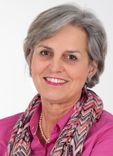
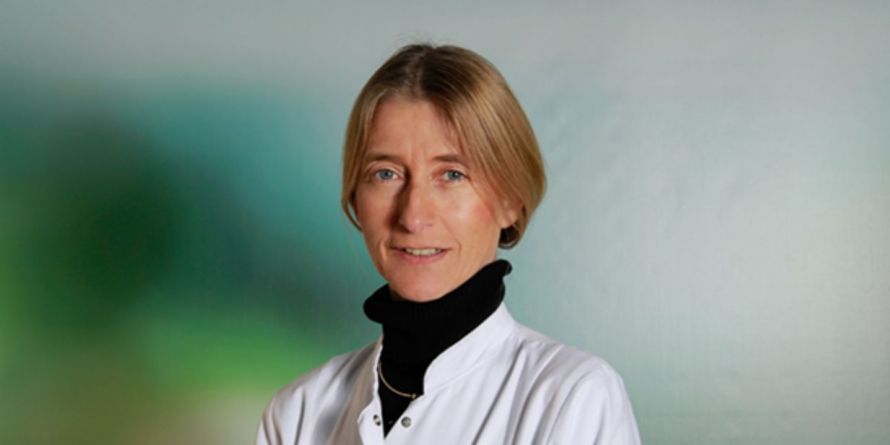
Prof. Dr. med. Martina Messing-Jünger enjoys an international reputation as the chief physician of pediatric neurosurgery at the Asklepios Children’s Hospital in St. Augustin. This renowned specialist is well-versed in the full spectrum of neurosurgical conditions affecting the brain and spinal cord in children and adolescents—and has thus earned a worldwide reputation as an outstanding physician when it comes to pediatric neurosurgical conditions. One of her areas of expertise is the treatment of hydrocephalus, commonly known as “water on the brain.” Prof. Messing-Jünger, a pediatric neurosurgeon, is a physician driven by passion and deep empathy for her young patients and their families. This compassionate dedication also characterizes the entire team, on whom she can fully rely.
Leading Medicine Guide: Prof. Messing-Jünger, you are an internationally renowned and recognized pediatric neurosurgeon—yet you practice in Sankt Augustin, which is rather in the provinces. How do your patients find their way to you?
Prof. Dr. med. Martina Messing-Jünger: Young patients come to me from all over the world. The Asklepios Children’s Hospital in Sankt Augustin is a specialized clinic renowned far beyond our borders—word gets around. And pediatric neurosurgeons form a unique international community: I’m considered a well-known and respected specialist within that field. I also served as president of the European Society for Pediatric Neurosurgery (ESPN) for two years.
Leading Medicine Guide: How did you end up becoming a pediatric neurosurgeon, of all things?
Prof. Dr. med. Martina Messing-Jünger: There’s no specific residency program for this field. I worked in general neurosurgery for twenty years and performed all surgical procedures relevant to our specialty at the University Hospital in Düsseldorf. But I’ve always been particularly interested in pediatrics, and I felt that children simply received poorer surgical care than adult patients. Surgical disciplines are geared toward adults. Bringing about change in this area has always been—and remains—very close to my heart. At major neurosurgical conferences and within our professional association, I consistently advocate that children are not just small adults and should be treated by specialists in a child- and family-friendly environment.
Leading Medicine Guide: Since 2007, you have been Chief of Pediatric Neurosurgery at the Asklepios Children’s Hospital in Sankt Augustin. What led to your move from the University Hospital of Düsseldorf to the Asklepios Children’s Hospital?
Prof. Dr. med. Martina Messing-Jünger: I had reached a point in my career where I wanted to do something on my own. I had been asked several times to take over a clinic and had applied to two or three large hospitals—but I wasn’t entirely convinced yet. I’m a doctor driven by passion and conviction, and not everything in our healthcare system runs optimally. There are also many so-called “misaligned incentives” in the context of hospital financing. Not every surgery is truly medically indicated, but the economic pressure is very strong. That means you have to make compromises from time to time. It’s different in pediatric medicine. If I were to expand into a niche within neurosurgery, it would be pediatric neurosurgery. Yes, and during that decision-making process, I actually received a proactive call from the Asklepios Children’s Hospital in Sankt Augustin. I didn’t have to think twice—I decided immediately. The business plan I had written to establish the pediatric neurosurgery department was implemented exactly as outlined, and its further development has also gone perfectly.
Leading Medicine Guide: How fortunate for the many young patients who can be treated in the pediatric neurosurgery department at the Asklepios Children’s Hospital. What conditions do you treat most frequently?
Prof. Dr. med. Martina Messing-Jünger: We see disorders of the cerebrospinal fluid circulation, such as hydrocephalus, almost every day. We also see a large number of children with spinal cord and spinal column malformations. In addition, we treat all types of skull deformities and brain tumors. Functional neurosurgery is also part of our range of services. Children suffering from spastic cerebral palsy can be helped by the implantation of a baclofen pump or the targeted severing of nerve fibers. In cases of epilepsy that cannot be treated with medication, surgical interventions can help stop seizures in certain situations. We are currently working with our pediatric neurologists to establish an epilepsy center. Our young patients come to us from all over Germany and around the world because the interdisciplinary care we provide—which is our top priority—is a unique feature of our practice.
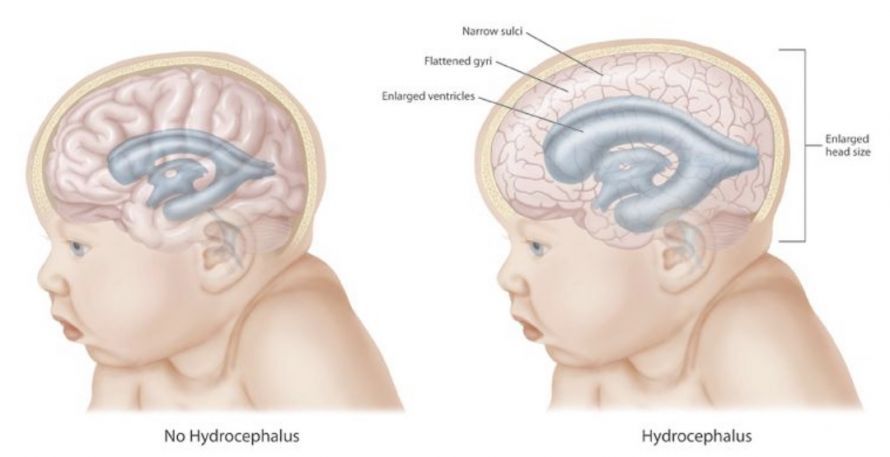 By CDC – Public domain, Link
Leading Medicine Guide: The children are very, very young when you operate on them. For many conditions, surgery at six months of age is the optimal medical solution. How do you go about operating on such young children?
Prof. Dr. med. Martina Messing-Jünger: You mustn’t be afraid of performing procedures on young children. Of course, you have to be able to work with tiny structures, but there are also many advantages from the surgeon’s perspective. While it’s riskier to operate on a brain that’s still developing and on other very delicate structures, children often have fewer comorbidities than adults that could negatively impact surgery.
Leading Medicine Guide: When you see children with rare conditions, do you always know what to do?
Prof. Dr. med. Martina Messing-Jünger: Every malformation is unique and presents a wide variety of variations. But when you have a lot of experience and have performed these procedures so many times, you know the fundamentals and have developed strategies for dealing with the variations. I pass on my wealth of experience through numerous training events. We offer clinical rotations and a fellowship, conduct courses, and advise colleagues both in Germany and abroad. Providing high-quality training is a challenging task, because you can’t immediately expose young graduates to delicate surgeries on children.
Leading Medicine Guide: What are some of the key differences in a pediatric hospital?
Prof. Dr. med. Martina Messing-Jünger: Oh, there’s quite a lot. It starts with the different bed sizes—we have beds in four sizes. Then we need different sizes of endotracheal tubes, cannulas, syringes, and implants—everything has to be adapted to the different age groups. And, of course, we have extensive experience here with medications and dosages. As I said, children are not just small adults. Our anesthesiologists must be specially trained and also have a great deal of experience. Without an experienced, interdisciplinary team—especially in the operating room and the intensive care unit—we cannot perform our neurosurgical procedures on children of all age groups with a clear conscience.
Leading Medicine Guide: Not only is the medical setting different, but the psychological aspect is also more complex, isn’t it?
Prof. Dr. med. Martina Messing-Jünger: Yes, that’s a very important point. Anyone who works on my team must take the concerns of patients and their families very seriously. Without this special empathy, you’d be out of place. The conversations with parents and with the children are much more time-consuming compared to adult medicine. And I always tell my team: Please imagine you’re in the father’s or mother’s shoes. You’d be very afraid—you have to be able to put yourselves in their position. Our nursing staff is also uniquely qualified and shows tremendous dedication. And what’s especially wonderful is that everyone is always in good spirits and radiates optimism and confidence.
Leading Medicine Guide: Do you always want the parents to be present?
Prof. Dr. med. Martina Messing-Jünger: Yes, that’s important to us, and it also has an enormous impact on the children’s well-being and recovery. Thankfully, there’s been a paradigm shift on the wards and in treatment approaches. The parents even sleep alongside their children. If the children have to go to the intensive care unit, the parents—and, if necessary, the siblings as well—stay at the Ronald McDonald House nearby. In addition, we have a team of chaplains and psychologists who take care of the family. This is of immense importance, especially in oncology.
Leading Medicine Guide: The Asklepios Children’s Hospital in Sankt Augustin recently moved into a beautiful new building.
Prof. Dr. med. Martina Messing-Jünger: We’ve been very fortunate in that regard. We were able to move into the former Heart Center and now have spacious patient rooms and wards, as well as state-of-the-art operating rooms. Up to 80,000 young patients are treated at our clinic each year, both as outpatients and inpatients.
Leading Medicine Guide: Doesn’t that naturally lead to long-term doctor-patient relationships?
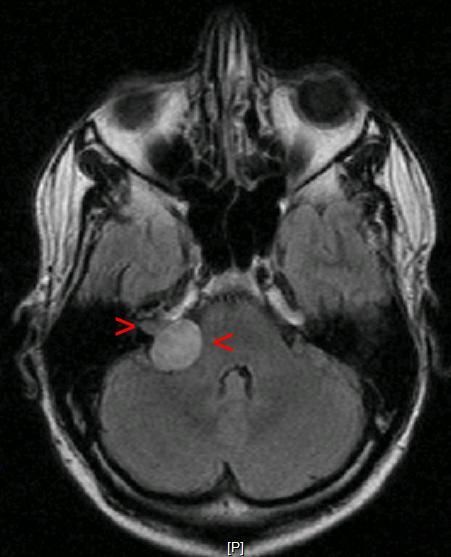
Prof. Dr. med. Martina Messing-Jünger: In neurosurgery, these are actually lifelong relationships, because we continue to treat many patients even as adults—since we’re the only ones with the expertise for certain conditions. And our patients are very loyal; we always receive many, many letters at Christmas. The other day, I ran into a young woman in the orthopedics department whom I’d treated when she was a little girl. She’d had orthopedic surgery back then and didn’t wake up from the anesthesia. During imaging, we then saw that she had a very large acoustic neuroma in her head. I removed it during a ten-hour surgery. Yes, and this young woman came up to me and said, “You saved my life back then.” Then she handed me a book—she had since earned her Ph.D. in history. “This is for you,” she said, opening the book. “I dedicated it to you.” That’s when you realize why you do this demanding job!
Professor, thank you very much for this informative conversation. You can contact our expert directly via her profile page on the Leading Medicine Guide.
Share this article
Expert Interviews
Read next
- Expert interview
Expert interview with Professor Dr Elmar Herbst, PhD
Oct 15, 2026
Patient-centred and personalised knee surgery
Read more - Expert interview
Cardiogeriatrics: Significance and benefits in the context of hospital reform
Sep 21, 2026
Cardiogeriatrics: Significance and benefits in the context of hospital reform
Read more - Expert interview
Expert Interview with Professor Dr. Amadeus Hornemann, MPH
Sep 18, 2026
Prof. Amadeus Hornemann on Precision Medicine in Gynecology: Modern Surgery, New Techniques, Better Quality of Life
Read more