Expert Interviews
Deep-Infiltrating Endometriosis, Fertility Surgery, and Minimally Invasive Gynecological Surgery—An Expert Interview with Dr. Schmädecker

Alexandra Pfitzmann ·
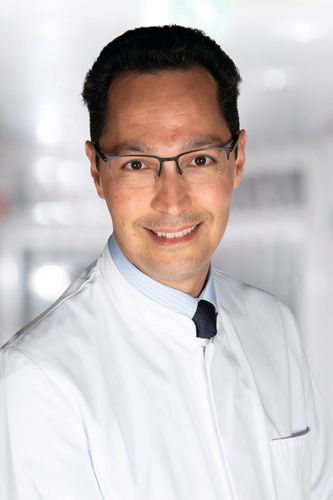
Dr. Rasmus Schmädecker, M.D., is an experienced gynecologist who heads the endometriosis and fertility surgery clinic at the Women’s Clinic of the renowned Uster Hospital. With his extensive training and many years of experience, he has specialized in the treatment of endometriosis and fibroids, as well as all types of fertility surgery, and performs complex procedures. At the modern Women’s Clinic at Uster Hospital, patients benefit from a wide range of gynecological services, which, under Dr. Schmädecker’s leadership, are designed to meet the highest standards.
A central component of his work is ultrasound diagnostics, particularly the early detection of deep-infiltrating endometriosis. He uses modern technologies to make precise diagnoses and develop targeted therapies. His expertise also extends to 3D ultrasound diagnostics for uterine malformations, enabling him to accurately identify congenital abnormalities of the uterus. These precise diagnostic capabilities are crucial for planning subsequent treatment steps.
In the surgical treatment of deep-infiltrating endometriosis, Dr. Schmädecker places great emphasis on interdisciplinary collaboration with other medical specialties. For myomectomy, he uses state-of-the-art techniques ranging from minimally invasive hysteroscopic and laparoscopic procedures to open surgical methods. Another important aspect of his practice is fertility surgery. Dr. Schmädecker specializes in tubal surgery, which aims to preserve or restore his patients’ fertility. In treating endometriosis cysts, he relies on ovarian-sparing procedures, such as sclerotherapy and plasma ablation, to preserve ovarian function.
His holistic approach to gynecological care is complemented by diagnostic office hysteroscopy, which enables him to perform therapeutic procedures efficiently and gently. Dr. Schmädecker’s comprehensive expertise, his specialization, and his commitment to providing individualized care for his patients make him a highly respected expert in his field. Women suffering from endometriosis or fibroids will find not only advanced treatment at his practice but also empathetic support on their journey toward a better quality of life.
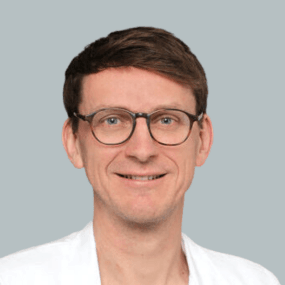
The editorial team of the Leading Medicine Guide was able to learn more about deep-infiltrating endometriosis, fertility surgery, and minimally invasive gynecological surgery in a conversation with Dr. Schmädecker.
Deep-infiltrating endometriosis is a complex and challenging condition that can severely impair the quality of life and fertility of many women. This form of endometriosis is characterized by the growth of endometrial tissue outside the uterus, particularly in the pelvic organs, leading to pain, inflammation, and functional limitations. Treating this condition often requires interdisciplinary approaches, particularly in fertility surgery, where the goal is to preserve or restore fertility in affected women. In this context, minimally invasive gynecological surgery is becoming increasingly important.
The causes of endometriosis are not fully understood.
“There are several theories regarding the cause of endometriosis, but none has been definitively proven. What is certain, however, is that endometriosis is a condition affecting menstruating women. Today, women experience nearly ten times as many menstrual cycles over the course of their lives as they did in the past. About 100 years ago, a woman had an average of 40 menstrual cycles, as women were pregnant much more frequently or experienced miscarriages, and family planning practices were quite different. Today, a woman experiences 300–400 cycles over the course of her life. Since endometriosis is most noticeable during menstruation, it is a condition we encounter much more frequently today. Symptomatically, endometriosis manifests as painful menstruation, known as dysmenorrhea. In addition, endometriosis can cause various specific and nonspecific symptoms. Classic specific symptoms include chronic lower abdominal pain, pain during sexual intercourse, pain when urinating during menstruation, or pain during bowel movements. “Nonspecific symptoms manifest as abdominal bloating, fatigue, respiratory infections, and urinary tract infections,” explains Dr. Schmädecker, adding what measures are taken if endometriosis occurs shortly before a couple plans to start a family:
“Fertility—that is, a woman’s ability to conceive—is an extremely complex phenomenon. That’s why it’s not enough to focus solely on organic changes, which is, of course, my primary concern as a fertility surgeon. Many factors play a role, such as endocrinological aspects, but also immunological processes in the uterine cavity or the abdominal cavity that can have an impact. Therefore, fertility surgery cannot resolve all problems in every case. Of course, treatment is always based on strict scientific criteria, and infertility itself is clearly defined in medicine. If a couple has been having regular sexual intercourse for over a year, but the woman does not become pregnant despite having a regular cycle, we refer to this as infertility. This is recognized in all national and international guidelines. In such cases, it is necessary to determine whether there are abnormalities in the uterine cavity, the fallopian tubes, or the abdominal cavity, with endometriosis being one of the most common causes. Other factors may include the formation of fibroids or adhesions, which can occur, for example, following infections. In some patients, such changes can even be detected by ultrasound before infertility is officially diagnosed. In such cases, a joint decision must be made as to whether to deviate from the medical definition. For example, in the case of a fibroid measuring 7–8 cm that alters the anatomy of the uterus, it might be recommended to treat it before the twelve-month period expires so that the patient is not officially classified as infertile. Ultimately, it is always an individual decision made together with the patient. Unfortunately, scientific studies in this area are often unsatisfactory, as few women are willing to voluntarily participate in studies regarding fertility—after all, fertility is a very personal matter.”
In fertility surgery for women with endometriosis or fibroids, minimally invasive techniques such as laparoscopy and hysteroscopy play a key role.
“In the past, up until the 1990s, fertility surgeries were performed via an abdominal incision. Today, 99.9% of these procedures are minimally invasive. There are very few exceptions where an abdominal incision is still necessary—for example, when there are 25 fibroids widely distributed throughout the uterus. However, minimally invasive surgery—that is, laparoscopy—offers so many advantages that we always try to choose this approach. The smaller incisions reduce blood loss during surgery, shorten the postoperative recovery time, and result in fewer complications. In addition, the scars are less cosmetically noticeable, and patients return to their daily activities more quickly. “Since minimally invasive procedures place less stress on the tissue, there is also a lower likelihood of adhesions forming after surgery—a common problem with open surgery that can further limit fertility,” explains Dr. Schmädecker, adding further details:
“The traditional procedure involves a hysteroscopy performed through the vagina. During this procedure, the doctor looks into the uterine cavity through the cervix to determine whether any pathological changes are present. These can include endometrial polyps, adhesions resulting from previous dilation and curettage procedures, uterine fibroids within the uterine cavity, or congenital malformations. Next, tubal patency is assessed—a procedure known as chromopertubation—to find a way to reopen blocked fallopian tubes. Laparoscopy is used to examine the organs relevant to reproductive medicine: the uterus, the ovaries, and the fallopian tubes. This procedure can determine whether endometriosis is present, which requires treatment. The removal of all endometriotic lesions leads to a significant improvement in pregnancy rates. We can break up adhesions, open blocked fallopian tubes, and remove fibroids that are inaccessible from the uterine cavity—all of which contribute to a higher pregnancy rate.”
A particularly important application of laparoscopy in endometriosis is the removal of deep-infiltrating endometriotic lesions, which can severely damage the reproductive organs. With this technique, endometriomas (ovarian cysts) are carefully excised while healthy ovarian structures are preserved, which is crucial for maintaining fertility. Hysteroscopy, on the other hand, is performed through the vagina and allows access to the uterine cavity. This technique is particularly suitable for removing fibroids, polyps, or scar tissue that could interfere with the implantation of a fertilized egg. For fibroids that protrude into the uterine cavity (submucosal fibroids), hysteroscopy is frequently used because it precisely removes the fibroids without causing excessive damage to the surrounding tissue. This minimizes the risk of scarring that could interfere with future pregnancies.
Minimally invasive surgical procedures in fertility surgery, such as laparoscopy and hysteroscopy, offer many advantages. There are few risks and complications.
“The risks of hysteroscopy are extremely low; theoretically, it can even be performed without anesthesia. I always offer this option, but many patients prefer to have the procedure done under anesthesia. Laparoscopy certainly also carries risks, but these are minimal and in the per mille range. Of course, these are procedures that can be critical for fertility. That is why such procedures should be performed exclusively by highly qualified fertility surgeons. One of the most important principles guiding our practice is to remove the disease—especially in the case of endometriosis—as thoroughly as possible, while at the same time preserving fertility as much as possible. “The goal is always to improve the situation; otherwise, surgery would make no sense,” emphasizes Dr. Schmädecker, adding:
“The techniques we use here at Uster Hospital are particularly gentle on patients. For example, we use laser and plasma ablation on the ovaries, which is not comparable to conventional cyst removal from the ovaries. The latter often results in significant damage to the ovary. Our method does not remove the endometriosis surgically by cutting it out, but rather ablates the diseased tissue with plasma and has no effect on ovarian reserve. At a conference in Geneva this year, there was a discussion about whether this method, as an established procedure, should become the new gold standard.”
The age range of affected women varies widely. Women in their 20s are sometimes affected—for example, if they begin planning a family as early as age 18—and the age range extends into their 50s.
Interdisciplinary collaboration between gynecologists, reproductive medicine specialists, and other medical disciplines is crucial for the optimal treatment of fertility disorders.
Gynecologists contribute their expertise in female anatomy and conditions such as endometriosis or fibroids, and determine the need for surgical intervention. Reproductive medicine specialists complement this with in-depth knowledge of hormonal regulation and assisted reproductive technologies, such as IVF (in vitro fertilization). Endocrinologists contribute their knowledge of hormonal regulation, which is crucial for the success of fertility treatments, especially in cases of endocrine-related disorders such as polycystic ovary syndrome (PCOS).
“As mentioned earlier, fertility is a highly complex field whose causes are not limited to the organs alone. That is why collaboration with reproductive medicine specialists is extremely important. For a long time, there was a sense of rivalry here, because before the advent of reproductive medicine, fertility surgeons were solely responsible for treatment. With their assisted reproductive technologies, reproductive medicine specialists have, so to speak, rendered the fallopian tubes obsolete. As a result, fallopian tube surgery has fallen somewhat into obscurity, and most surgeons no longer master these procedures because they never learned these techniques. Nowadays, if a fallopian tube is blocked, a woman is usually referred directly to a reproductive medicine specialist to plan artificial insemination. However, it’s important to keep in mind that this method comes with many requirements, involves greater effort, and is ultimately more expensive. In addition, hormone treatment places a considerable burden on the woman. I work very closely with skilled reproductive medicine specialists, and we recognize that both disciplines—fertility surgery and reproductive medicine—are important, much like how hardware and software complement each other. “Ultimately, it always comes down to the appropriateness of the respective treatment,” explains Dr. Schmädecker regarding the two different treatment options.
Psychosocial factors have a profound influence on the decision-making process of women who opt for minimally invasive fertility surgery.
Among the most common psychological burdens are anxiety, uncertainty, and stress, which often stem from the emotional challenges of infertility. Many women may have already undergone several frustrating treatment cycles, leading to increased emotional strain. These fears can affect how the surgical procedure is perceived, with concerns about the risks, effectiveness, and long-term effects of the treatment playing a central role. Various support options are available to address these emotional and psychological needs.
“Psychological care is definitely a major factor, but one that comes into play or becomes apparent primarily in reproductive medicine—if only because reproductive medicine specialists see the women much more frequently. We might see the women involved once or twice, while the reproductive medicine specialist might see them 20 times. Personally, I believe it’s very important to provide patients with thorough information. This can provide significant psychological relief and offer help through concrete information. We try to help patients move away from constantly and critically monitoring their bodies. Constant cycle monitoring has not proven effective. We recommend that couples trying to conceive have intercourse twice a week—that’s still the best option. We also have patients who have no difficulty getting pregnant despite having endometriosis. Unfortunately, there are also doctors who are too pessimistic, often simply because they aren’t familiar enough with endometriosis. This often leads to a negative experience for the patients and is ultimately counterproductive. Of course, realistic expectations are very important, because ultimately everything is based on facts. However, far too much pressure is often built up—entire marriages have failed because of this. “This is where I try to encourage the women,” criticizes Dr. Schmädecker.
Challenges in fertility surgery and new hope through targeted therapeutic approaches.
“Fibroids always carry the risk of recurring. This isn’t about the fibroid I surgically removed, but rather that fibroids start as very small nodules that are invisible to the naked eye or on ultrasound and can, in theory, grow quite large within a few years. There are now very good studies from Chicago showing that taking vitamin D and green tea extracts can prevent recurrence,” says Dr. Schmädecker, leaving room for concern at the end of our conversation:
“Unfortunately, fertility surgery isn’t taken very seriously in Germany—the situation is quite different in Italy, France, or Switzerland. There’s also no certification for fertility surgery. That’s why it’s rather difficult to find a specialist in Germany, even though they do exist, of course. A certified endometriosis center is essential for guideline-based treatment of endometriosis. For a long time, adequate infrastructure was lacking here, and patients were left wondering: Where can I find a doctor who’s skilled in this area? With the introduction of certified centers, a shift is now taking place. I also believe that we are in the midst of a generational shift, where patients are increasingly doing their own research to find the right doctor for them.”
Dear Dr. Schmädecker, thank you very much for this fascinating insight into the complex world of female fertility.
Share this article
About the medical author
Alexandra Pfitzmann
Editor
Alexandra Pfitzmann – medical author: expert knowledge, professional articles and medical insights in the Leading Medicine Guide.
More about the medical author →Expert Interviews
Read next
- Expert interview
Cardiogeriatrics: Significance and benefits in the context of hospital reform
Sep 21, 2026
Cardiogeriatrics: Significance and benefits in the context of hospital reform
Read more - Expert interview
Expert Interview with Professor Dr. Amadeus Hornemann, MPH
Sep 18, 2026
Prof. Amadeus Hornemann on Precision Medicine in Gynecology: Modern Surgery, New Techniques, Better Quality of Life
Read more - Expert interview
Expert Interview with Professor Dr. Konstantinos Anagnostakos
Sep 15, 2026
Prof. Anagnostakos on Painful Knee Replacements
Read more