News
Recognizing and Understanding Lipedema: When Arms and Legs Swell

Sabine Schneider ·
Why Lipedema Is More Than Just Excess Fat
Many women are familiar with this problem: their legs or arms feel heavy, swell up, and look disproportionate. This is often initially dismissed as normal weight gain, but lipedema may be the underlying cause. This chronic condition primarily affects women and is characterized by uneven fat distribution, which usually extends from the hips down through the thighs to the ankles.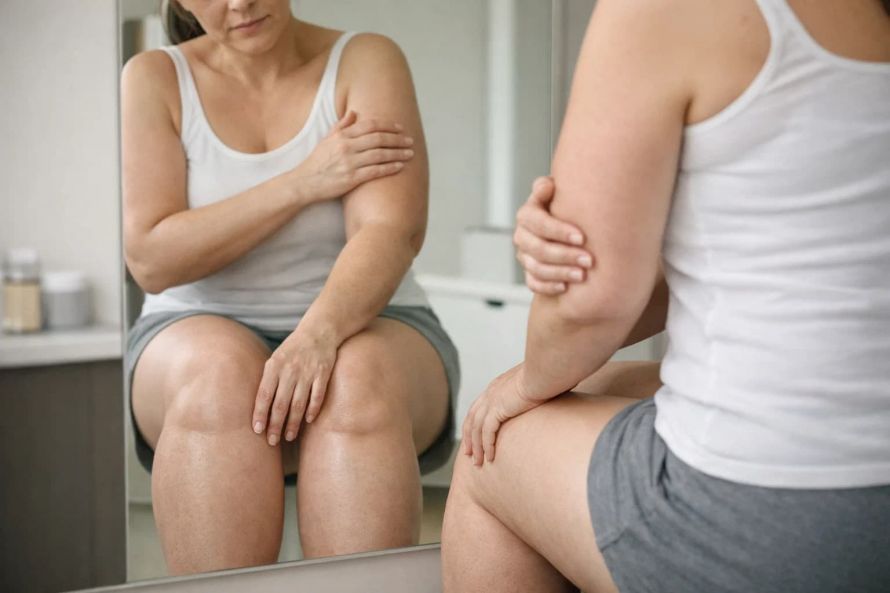
Unlike normal fat, lipedema tissue is sensitive to pain and prone to swelling that worsens over time. The causes are complex and range from hormonal factors to genetic predisposition. Many people notice the first signs as early as puberty, while others don’t notice them until during or after pregnancy.
It is important to understand that lipedema is a serious condition that requires medical attention to prevent complications such as limited mobility or psychological distress.
Typical Symptoms and Signs of Lipedema
Lipedema can often be recognized by several typical characteristics. The symptoms develop gradually and usually affect both sides of the body symmetrically. Those affected often report:
- Legs or arms that are sensitive to pressure and hurt when touched
- Frequent bruising for no apparent reason
- Swelling that increases throughout the day, especially after standing or sitting for long periods
- A disproportionate appearance: the hips, thighs, and buttocks are significantly more affected than the upper body
- A feeling of tightness or pain, especially in the thighs and knees
- Limited mobility due to heavy and pressure-sensitive tissue
- Fatigue or an unpleasant feeling of heaviness in the legs
These symptoms often lead to a significant reduction in quality of life. Those affected feel physically limited and psychologically burdened. Many women try to lose weight through dieting or exercise, but find that the lipedema tissue hardly responds to such measures.
The combination of pain, a disproportionate body shape, and a lack of response to conventional weight loss methods can be psychologically very stressful and lead to frustration or reduced self-esteem.
Causes and Risk Factors
The exact causes of lipedema are not yet fully understood, but several factors play a role. The condition occurs almost exclusively in women, which suggests hormonal influences. Many patients report that their symptoms appear or worsen during periods of hormonal change, such as puberty, pregnancy, or menopause.
Genetic predisposition also plays an important role: Family members often have similar symptoms. Additionally, disorders of the lymphatic system or changes in fat metabolism can contribute to the progression of the condition.
External factors such as weight gain or long-term strain on the legs from standing work can also worsen the symptoms. It is believed that hormonal and genetic factors lay the groundwork, while lifestyle and stress influence the progression of the condition.
Diagnosis
Lipedema is diagnosed through a medical examination, usually by a specialist in phlebology or dermatology. A detailed medical history of the symptoms, a physical examination, and tissue measurements help distinguish lipedema from obesity or lymphedema. Ultrasound or other imaging techniques can provide additional information.
Early diagnosis is important, as lipedema progresses if left untreated. The earlier the diagnosis is made, the sooner targeted measures can be initiated to alleviate pain, reduce swelling, and maintain mobility in the long term.
Educating patients about the condition is also important, as many affected individuals mistakenly assume it is simply normal overweight.
Treatment—Is a Cure Possible?
Lipedema cannot be completely cured, but the symptoms can be significantly alleviated. Treatment depends on the severity, symptoms, and individual needs of those affected.
CONSERVATIVE MEASURES
Compression therapy: Special stockings or pants support lymphatic drainage and reduce swelling. This treatment can be used daily and helps relieve pressure on the legs.
Manual lymphatic drainage: This specialized massage technique loosens the tissue, reduces swelling, and improves mobility. Regular treatment can noticeably reduce pain.
Exercise and sports: Regular physical activity—especially swimming, cycling, or walking—strengthens muscles and improves lymph flow. Even short, consistent exercise sessions can have a positive impact on the condition.
Healthy Diet: A balanced diet rich in anti-inflammatory foods can be beneficial, although the lipedema tissue itself responds only to a limited extent to dietary changes. An adequate supply of nutrients also supports overall well-being.
SURGICAL INTERVENTIONS
Liposuction: In select cases, minimally invasive liposuction can permanently reduce lipedema tissue and improve quality of life. It is important that the surgery be performed by experienced specialists and that conservative measures continue to be followed. Compression therapy remains beneficial even after surgery to ensure the success of the treatment.
Quality of Life and Daily Life
Lipedema affects not only physical well-being but also mental health. Pain, swelling, and limited mobility can lead to frustration, a lack of motivation, and reduced self-esteem.
The combination of conservative therapy, exercise, compression, and, if necessary, surgical intervention enables many people affected by lipedema to alleviate their symptoms and participate more actively in daily life again.
It is also helpful to connect with others who have the condition or join self-help groups to share experiences and get tips for daily life.
Conclusion: Detect lipedema early and provide targeted relief
Lipedema is more than just excess fat—it is a serious condition that requires specific attention. Typical symptoms such as pressure-sensitive legs, swelling, and disproportionate fat distribution should be taken seriously. Early diagnosis and treatment significantly improve quality of life.
Through conservative measures, exercise, compression, and surgical intervention when necessary, symptoms can be alleviated and mobility maintained. Those who are well-informed, take targeted action, and listen to their own bodies can manage the condition much more effectively and improve their quality of life in the long term.
Share this article
Verified expertise
Recommended specialists
6 specialists
6 results



Dr. (IR) Ali Tabatabaei
Seeheim-Jugenheim


Dr. med. Dipl. oec. med., FESC Michael Lichtenberg
Chief Physician


News
Read next
- News
Scabies: A contagious skin disease that is easily treatable
Oct 26, 2026
Severe itching and minor skin changes should be taken seriously
Read more - News
Heat Rash: What's Behind the Itchy Blisters
Oct 23, 2026
Heat Rash: Heat and Sweat Can Disrupt the Skin's Balance
Read more - News
Enlarged Prostate – When Medication Is Sufficient and When Surgery Is Recommended
Oct 21, 2026
Why Many Men Ignore Urinary Problems for Too Long
Read more