News
Long COVID in Everyday Life: When the Exhaustion Just Won't End

Melanie Al Tikriti, BSc ·
Why Many People Affected Feel Like Strangers in Their Own Lives for Months on End
Many people assume that a COVID-19 infection is over after a few days or weeks. But for some of those affected, the illness doesn’t end with a negative test result. Instead, a long, often grueling journey begins, marked by persistent symptoms that permanently alter daily life. Long COVID is difficult for many to grasp because the symptoms aren’t always visible, yet the burden can still be enormous. Things that used to be taken for granted—working, shopping, socializing—can suddenly become major challenges. 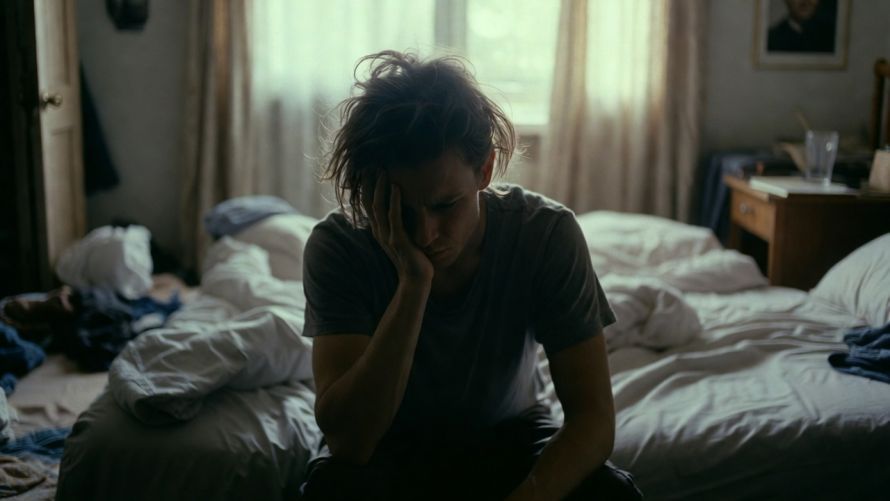
What Long COVID Actually Means
Long COVID describes persistent health issues that remain weeks or months after a person has recovered from a COVID-19 infection. It can affect both people who had a severe course of the disease and those who experienced only mild symptoms. The condition manifests in very different ways and progresses differently for each individual. This is precisely what often makes it difficult for those affected to make sense of their experience or to find understanding from those around them. Many feel misunderstood because they “should actually be healthy again,” but internally they feel anything but healthy.
How Long COVID Manifests in Daily Life
For many, daily life with Long Covid is marked by uncertainty. One’s ability to cope fluctuates, with good days alternating with periods of severe exhaustion. Appointments have to be canceled on short notice, it’s hard to concentrate, and even small tasks can feel overwhelming. It is particularly stressful that one’s ability to function cannot be reliably predicted. This unpredictability can lead to frustration and reinforce the feeling of having lost control over one’s own life.
Common symptoms of Long Covid:
- Persistent exhaustion and rapid physical or mental fatigue
- Difficulty concentrating and “brain fog”
- Shortness of breath or a tight feeling in the chest
- Sleep disturbances and restlessness
- Muscle and joint pain
These symptoms do not always occur at the same time and can vary greatly in intensity. It is precisely this unpredictability that makes it difficult to navigate daily life and develop new routines.
Don’t Underestimate the Psychological Strain
In addition to physical symptoms, emotional stress plays a major role. Many people affected report feelings of helplessness because recovery takes longer than expected. Uncertainty about the future course of the illness can trigger anxiety, especially when there is no clear timeline. Social circles also do not always react with understanding, particularly when there are no outward signs of illness. This can lead to withdrawal, feelings of shame, or the impression that one must constantly explain oneself.
Why Patience Is a Crucial Factor
The desire for a quick return to one’s former level of functioning is understandable, but it can create additional pressure. Long COVID often requires a shift in mindset when it comes to managing one’s own energy levels. Taking breaks becomes more important, and one must be more mindful of one’s limits. Many people affected report that learning to treat their own bodies with greater care is a key step in the recovery process. Even if progress often seems small, it can lead to noticeable stabilization in the long term.
Support from those around you and specialized services
A supportive social environment can make daily life with Long Covid considerably easier. Open conversations about stressors and limits help reduce unrealistic expectations. Professional support can also provide relief. Family doctors’ offices are often the first point of contact and can refer patients to specialized clinics or therapeutic services as needed. Knowing that they are not alone in dealing with these symptoms has a stabilizing effect for many and relieves emotional pressure.
Societal Response to Long COVID
Long COVID poses a challenge not only for those affected but also for the healthcare system and the workplace. Flexible work arrangements, understanding policies regarding sick leave, and open communication can help improve the situation for those living with the condition. The more visible the issue becomes, the sooner society will recognize that recovery is not always a linear process and takes time.
Conclusion: Between Hope and Realistic Expectations
Long COVID profoundly changes the daily lives of many people. The condition is often invisible, but the burden is very real. Being mindful of one’s own limits, exercising patience during the recovery process, and receiving support from family, friends, and specialized services can help restore stability step by step. Even if the journey is often longer than hoped, it’s important to keep in mind that challenges can change and improve over time.
Share this article
Verified expertise
Recommended specialists
4 specialists
4 results

Thoraxklinik-Heidelberg gGmbH
Heidelberg


Dr. Maik Brandes
Münster

Lungenkrebszentrum Treuenbrietzen
Treuenbrietzen

Professor Frank Breuckmann
Kitzingen
News
Read next
- News
Scabies: A contagious skin disease that is easily treatable
Oct 26, 2026
Severe itching and minor skin changes should be taken seriously
Read more - News
Heat Rash: What's Behind the Itchy Blisters
Oct 23, 2026
Heat Rash: Heat and Sweat Can Disrupt the Skin's Balance
Read more - News
Enlarged Prostate – When Medication Is Sufficient and When Surgery Is Recommended
Oct 21, 2026
Why Many Men Ignore Urinary Problems for Too Long
Read more