News
Why a Slow Heart Rate Isn't Just a Natural Part of Aging

Melanie Al Tikriti, BSc · September 23, 2026
The heart beats about 100,000 times a day, reliably supplying the body with oxygen-rich blood. If this natural rhythm becomes disrupted, it can have far-reaching consequences. Some people initially notice only dizziness, fatigue, or a decreased ability to exercise. Others experience heart palpitations or may even suddenly lose consciousness. Often, this is caused by a disturbance in the heart’s electrical conduction system. In such cases, a pacemaker can significantly improve quality of life and, in some situations, even save lives.
Today, pacemaker implantation is one of the most common procedures in cardiology. Modern devices are small, powerful, and can adjust the heart rhythm individually to the patient’s needs.
How does a pacemaker work?
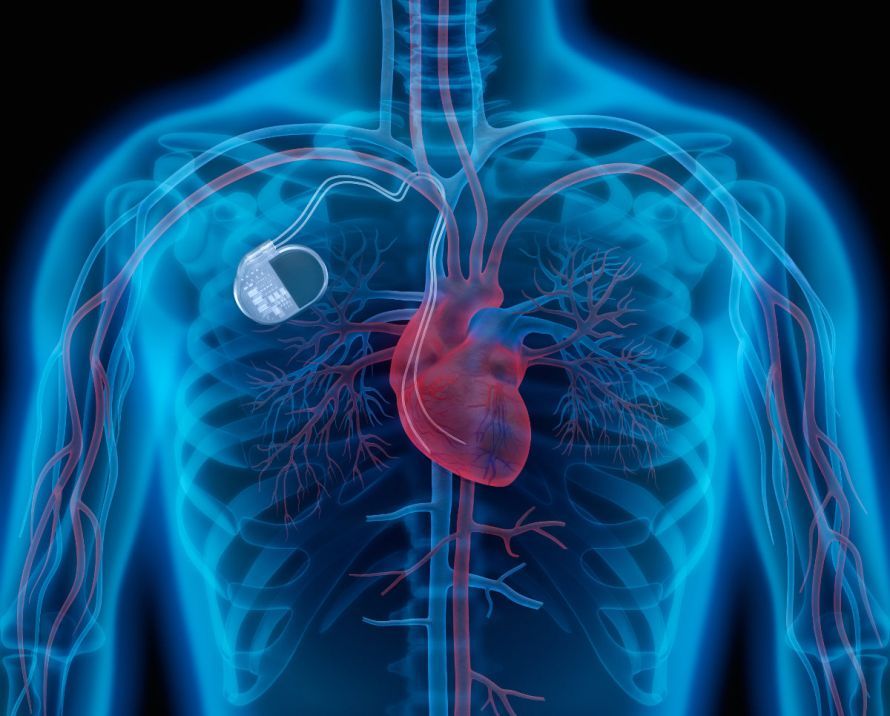
The heart has its own electrical conduction system. The so-called sinoatrial node normally sets the rhythm and generates electrical impulses that travel through specific pathways in the heart. This causes the heart muscles to contract regularly and pump blood throughout the body. If there are disturbances in the generation or conduction of these electrical impulses, the heart beats too slowly or with longer pauses. A pacemaker detects these changes and, when necessary, sends small electrical impulses to restore the heart’s normal rhythm.
Modern pacemakers continuously monitor the heart rhythm and support the heart when heartbeats are too slow or when skips occur.
When is a pacemaker necessary?
A pacemaker is primarily considered for conditions that lead to a persistently slow heart rate. Doctors refer to this as bradycardia.
The most common causes include:
- sick sinus syndrome
- High-degree AV blocks
- severe bradycardia
- prolonged pauses in the heartbeat
- certain congenital conduction disorders
- Cardiac arrhythmias following heart surgery
Whether a pacemaker is actually necessary does not depend solely on the heart rate. The most important factors are the symptoms and their impact on daily life.
What symptoms may occur?
A slowed heart rate can cause the brain and organs to be temporarily deprived of sufficient blood supply. This often results in nonspecific symptoms that are initially attributed to other causes.
Typical signs include:
- Dizziness
- Fatigue
- Reduced exercise tolerance
- Shortness of breath during exertion
- Heart palpitations
- Difficulty concentrating
- Fainting spells
- Brief loss of consciousness
In particular, repeated fainting spells or sudden dizziness should always be evaluated by a cardiologist.
How is the diagnosis made?
The process begins with a detailed interview and a physical examination. An electrocardiogram (ECG) is then performed to detect heart rhythm disturbances.
Since many arrhythmias occur only intermittently, long-term ECGs lasting 24 hours or several days are often used. In addition, a stress ECG, echocardiography, or specialized electrophysiological studies may be necessary. Only once it has been clearly established that the symptoms are caused by a conduction disorder requiring treatment is the implantation of a pacemaker recommended.
How is the implantation performed?
The procedure is usually performed under local anesthesia and typically takes less than an hour. One or more electrodes are guided to the heart through a vein below the collarbone, and the pacemaker unit itself is placed under the skin in the chest area and connected to the electrodes.
Shortly after implantation, most patients can get up and move around again. The hospital stay is often only a few days.
What should you keep in mind after implantation?
After the procedure, the affected arm should not be subjected to excessive strain during the first few weeks so that the electrodes can heal properly. Regular follow-up visits are important to check the pacemaker’s function and adjust the settings as needed. Modern devices store a great deal of information about the heart rhythm and, in some cases, even allow for telemedical monitoring. Depending on the device and usage, a pacemaker’s batteries typically last between eight and fifteen years. After that, the battery is replaced in a relatively minor procedure, while the electrodes can often be left in place.
Can people with pacemakers lead a normal life?
In most cases, YES. After the recovery period, many patients can resume sports, travel, and go about their daily lives without restrictions, as their quality of life often improves.
Nevertheless, patients should inform their cardiologist about any planned examinations or medical procedures. Strong magnetic fields or certain technical devices may also affect some pacemaker models under certain circumstances. However, modern systems are significantly better protected than earlier generations.
Conclusion: Reliable Support for Heart Function
A pacemaker is a proven and safe treatment option for people with a chronically slow heart rate or electrical conduction disorders. Modern devices work reliably, adapt to the individual’s heart rhythm, and enable many patients to lead active lives with a significantly improved quality of life. Anyone suffering from recurring dizziness, fainting spells, or severe fatigue should have these symptoms evaluated by a doctor. An early diagnosis can be crucial for preventing complications and initiating the appropriate treatment.
Share this article
About the medical author
Melanie Al Tikriti, BSc
Editor
Melanie Al-Tikriti, BSc – author: Explore expert medical articles in the Leading Medicine Guide.
More about the medical author →Verified expertise
Recommended specialists
10 specialists
10 results

Dr. med. Patrick Müller
Recklinghausen









Professor Frank Breuckmann
Kitzingen


News
Read next
- News
Hallux valgus: Why the big toe continues to deform
Sep 21, 2026
Hallux valgus: Barely noticeable at first—but later, every step can be painful
Read more - News
Hagelkorn: How to Properly Treat a Swelling on the Eyelid
Sep 17, 2026
A small knot can be more stubborn than you might think
Read more - News
Uterine Prolapse – When Downward Pressure Makes Daily Life Difficult
Sep 15, 2026
Why Many Women Underestimate Early Symptoms for a Long Time
Read more