Facial surgery is a specialized field within oral and maxillofacial surgery that combines medical, dental, and aesthetic aspects. In a modern oral and maxillofacial surgery clinic, diseases, injuries, and congenital anomalies in the oral and facial region are diagnosed and treated. Oral and maxillofacial surgery encompasses both functional and aesthetic procedures.
The range of treatments includes implantology, tumor surgery, reconstruction, and the correction of malocclusion and jaw misalignments. Thanks to modern diagnostic methods and minimally invasive surgical techniques, many procedures can be performed on an outpatient basis. Specialists in oral and maxillofacial surgery work closely with experts in medicine and dentistry.
The goal of every treatment is to restore function, aesthetics, and quality of life. Facial surgery offers individualized and modern solutions to achieve this.
Which doctors specialize in facial surgery?
Facial surgery is part of oral and maxillofacial surgery, also abbreviated as “OMF.” This specialty includes the diagnosis and treatment of, for example, injuries
However, oral and maxillofacial surgery also deals with aesthetic treatment. This is used to correct malformations and abnormalities, as well as to treat the consequences of accidents.
Facial surgery therefore encompasses:
- areas such as the mouth, jaw, teeth, and the face itself
- Diagnosis and treatment of accidents, congenital anomalies, and injuries
- Collaboration with specialists in related fields (eyes, brain, ears)
- Elements of plastic surgery
Since maxillofacial surgery encompasses many different areas and organs, close interdisciplinary collaboration is essential.
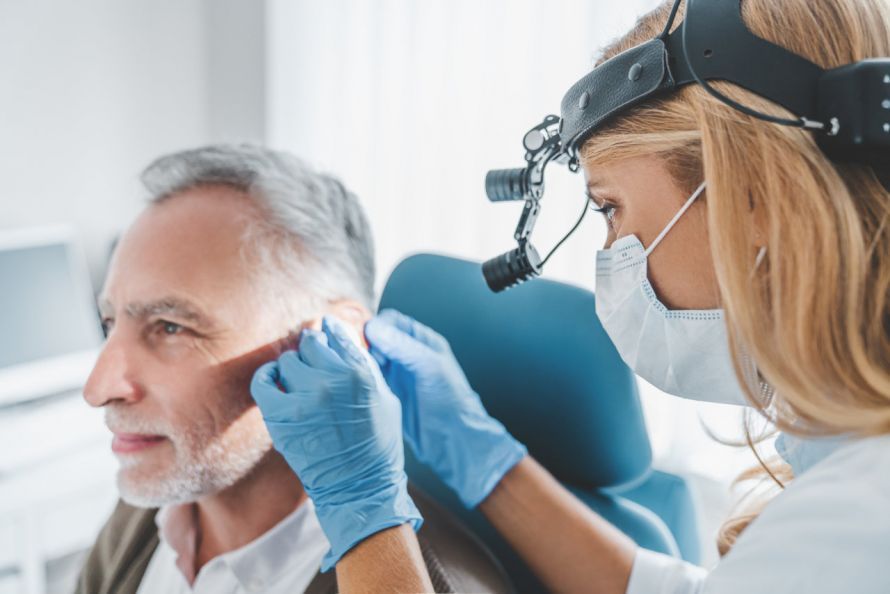
In Germany, there are specialists in maxillofacial surgery. However, to obtain this specialty certification, certain requirements must be met.
The basic requirement is a degree in human medicine or dentistry. Not least for this reason, dual medical licenses are not uncommon in German-speaking countries. These degree programs are followed by a five-year period of advanced training. Subsequently, the physician may also acquire additional qualifications in the field of plastic surgery.
What does a facial surgeon treat?
Facial surgery is an interdisciplinary field. As a result, the range of treatments is very diverse.
Oral and maxillofacial surgery is required, for example, in cases of complex jaw fractures or tumors where bone tissue must be reconstructed. Accidents or diseases can cause functional disorders affecting chewing or swallowing. Oral and maxillofacial surgery is also used in these cases.
It is important to note that facial surgery is an extremely diverse medical field, as it brings together many specialties.
First-rate qualifications and interdisciplinary collaboration—for example, with
- ear, nose, and throat specialists,
- dentists, or
- oncologists
are therefore of crucial importance.
FAQ
What is facial surgery?
Facial surgery is a subspecialty of oral and maxillofacial surgery and deals with the treatment of diseases, injuries, and congenital anomalies in the facial region. Maxillofacial surgery combines medicine and dentistry. In addition to functional procedures, aesthetic and plastic-reconstructive procedures also play an important role.
What treatments are included in oral and maxillofacial surgery?
The range of services in oral and maxillofacial surgery includes implantology, oral surgery, tumor surgery, and the treatment of malocclusions and dysgnathia. In addition, plastic and reconstructive procedures, dental implant placement, and reconstruction following facial injuries are performed. Diseases of the oral cavity, jaw, and face are also treated.
When should you see a specialist in facial surgery?
A specialist in oral and maxillofacial surgery should be consulted for misaligned teeth, malocclusions, fractures, tumors in the mouth, or symptoms in the head and neck region. A consultation may also be advisable for aesthetic corrections or functional limitations of the masticatory function. Diagnosis is tailored to the individual and based on the patient’s symptoms.
What role does implantology play in facial surgery?
Implantology is an important field of facial surgery. It involves the placement of artificial tooth roots to securely anchor dental prostheses. Modern implants enable high-quality, both functional and aesthetic, restorations in cases of tooth loss. Treatment is performed by experienced specialists in maxillofacial surgery.
Are facial surgery procedures performed on an outpatient basis?
Many procedures can now be performed on an outpatient basis using minimally invasive techniques. Depending on the extent of the surgery, local anesthesia, twilight sedation, or general anesthesia may be used. Minor surgical procedures, implant placements, or corrective procedures in the maxillofacial region can often be performed on an outpatient basis. Extensive reconstructive or surgical procedures, on the other hand, are usually performed on an inpatient basis at a specialized clinic.

About the medical author
Sabine Schneider
Editor-in-Chief
Sabine Schneider – medical author: Explore expert articles and medical expertise in the Leading Medicine Guide.
More about the medical author →