Lung diseases are widespread worldwide, and according to WHO projections, the trend is on the rise. For many lung conditions—such as stage 1 and 2 bronchial carcinoma, pleurisy, and chronic obstructive pulmonary disease (COPD)—surgery is an appropriate option for curing the disease or alleviating symptoms.
Lung surgery is a branch of thoracic surgery and is performed by experienced lung surgeons. Here you will find background information on lung conditions as well as common surgical methods. Leading Medicine Guide also provides contacts to renowned specialists.
What medical conditions are treated with lung surgery?
Surgery is not always the treatment of choice for the following conditions. Various factors—such as physical fitness, age, disease stage, other pre-existing conditions, and individual factors—mean that other treatments, such as medication, radiation therapy, or chemotherapy for cancer, are often preferred.
However, in some cases, lung surgery can achieve the treatment goal for these conditions:
- Lung cancer and lung metastases
- Pleural empyema (purulent inflammation of the pleura)
- Pneumothorax (collapsed lung)
- Emphysema/COPD
- Congenital lung malformations
- Bronchiectasis
Which doctors are experts in this field?
Specially trained thoracic surgeons have the necessary qualifications to perform lung surgery. They work in specialized thoracic clinics and lung centers.
Lung Surgery—Procedure, Modern Surgical Methods, Postoperative Care, and Possible Complications
Lung surgery is one of the most challenging forms of surgical treatment and is usually performed by an experienced chief physician or thoracic surgeon. The goal is to precisely remove diseased or malignant tissue, such as tumors or metastases, without impairing healthy lung function. Modern techniques allow for precise visualization of the structures within the chest cavity, including the pleura and costal membranes, to help prevent complications.
Thanks to minimally invasive techniques, many procedures are now performed through small incisions between the ribs. This often allows patients to breathe and move more quickly and be discharged from the hospital sooner. This gentle approach significantly reduces pain and the risk of wound healing complications.
Recovery after lung surgery depends on the extent of the procedure and the patient’s overall health. Targeted respiratory therapy supports lung regeneration, while regular checkups ensure that the pleura and surrounding structures heal without complications.
How is lung surgery performed—what methods are currently used?
Preoperative Examinations
Before your specialist recommends lung surgery, they—and, if necessary, other specialists—will examine you carefully. In many cases, pulmonologists (lung specialists) and radiologists are consulted to obtain appropriate X-ray images.
During a bronchoscopy (lung endoscopy), the specialist may take tissue samples for further testing.
If the test results and your overall health indicate that surgery is appropriate, there are various standard techniques available. Depending on your clinical picture, the stage of the disease, and the size of the lung tissue to be removed, the medical team will decide which method is best suited for you. The goal of all procedures is to achieve a cure or an improvement in your health by removing diseased areas.
Endoscopic Lung Surgery
Bronchoscopy is primarily used for diagnosis and tissue sampling in the lungs. Today, it is sometimes also used for tumor resection and other procedures.
During bronchoscopy, the physician inserts a small camera and other instruments directly into the lungs through the mouth and trachea. By viewing the images on a screen, the doctor can assess the condition of the lungs and, if necessary, perform minor surgical procedures. Depending on the condition and the procedure’s objective, the procedure typically takes between 5 and about 30 minutes.
Thoracoscopic Lung Surgery
In the minimally invasive “keyhole” technique of thoracoscopy, endoscopic devices such as a camera, light source, and irrigation and suction instruments are inserted into the chest through small incisions in the skin. Unlike bronchoscopy, this allows the lungs to be viewed and assessed from the outside through the chest wall.
The procedure is used, among other things, to treat pleurisy, pneumothorax, and lung metastases.
Today, doctors often perform video-assisted thoracoscopy (VAT stands for video-assisted thoracoscopic). In addition to simple tissue biopsies for diagnostic purposes, this procedure also allows for the removal of entire lung lobes, for example in cases of cancer. This procedure is then referred to as video-assisted thoracoscopic surgery (VATS stands for video-assisted thoracoscopic surgery).
To ensure less invasive procedures for patients, thoracic surgeons already use endoscopic and thoracoscopic techniques in many cases of lung surgery.
However, if larger areas of the organ need to be removed—for example, an entire lobe of the lung due to bronchial carcinoma—open surgical procedures are still necessary.
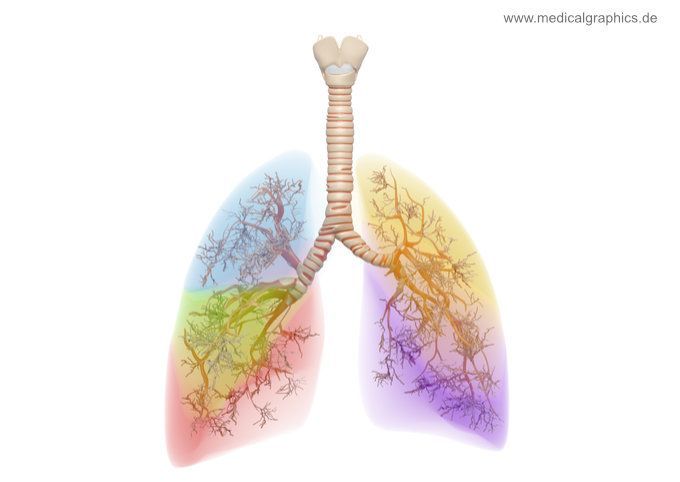
Parts of the lung that can be removed
- Lung volume reduction (LVR): sometimes used to treat pulmonary emphysema; both surgical and endoscopic procedures are possible.
- Lobectomy: This involves removing one of the five lung lobes. It can be performed as a minimally invasive VATS procedure or as open lung surgery.
- Pneumonectomy: An entire lobe of the lung must be surgically removed.
- Segmentectomy: Individual lung segments are removed.
- Wedge resection: A wedge of diseased lung tissue is removed.
- Cuff resection: In this procedure, the surgeon removes a portion of the lung tissue and airways. Afterward, the bronchi are reconnected to the lung.
- Bullectomy: This method allows for the removal of large air pockets caused by pulmonary emphysema (in COPD).
What does follow-up care involve?
Despite modern methods and minimally invasive procedures, lung surgery is always a significant intervention for both the body and the mind. This makes appropriate follow-up care, tailored to the patient’s overall health, all the more crucial.
Since lung surgery typically involves the removal of portions of tissue or entire sections of the lung, effective pulmonary rehabilitation is of great importance in addition to tailored pain management.
Experienced respiratory therapists can show you exercises to do at home that will help restore your lung function to the best possible level.
Appropriate rehabilitation is particularly recommended following lung surgery for cancer or a lung transplant. Consulting with other healthcare professionals, such as psycho-oncologists and physical therapists, as well as continuing medication, is standard practice. Depending on the stage of the disease and the patient’s underlying condition, doctors recommend individualized follow-up care.
What complications can occur during or after lung surgery?
Minimally invasive procedures reduce the risk of complications during and after surgery on lung tissue. Nevertheless, as with any surgery, unwanted outcomes can occur. Complications following lung surgery may include, among others:
- Heart and lung complications
- Shortness of breath
- Infections
- Wound healing disorders
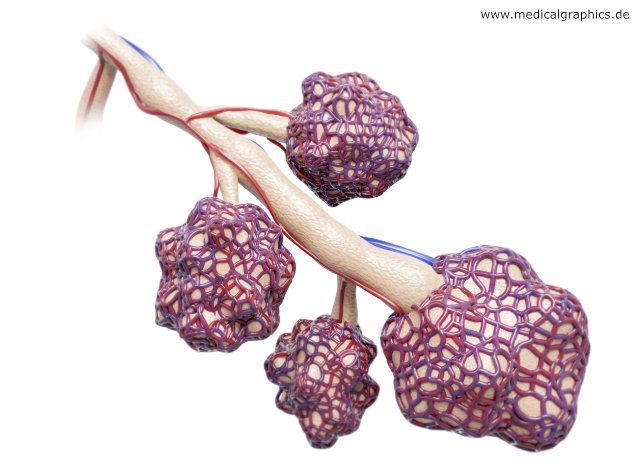
Other Complications Following Lung Surgery—Focus on the Chest Wall, Pleural Space, and Affected Alveoli
Despite modern technology and experienced surgeons, complications involving the chest wall or pleural space can occur after lung surgery. Due to the proximity to sensitive structures such as the alveoli, there is a risk of air pockets, small tears, or inflammatory processes. In rare cases, affected tissue or scar tissue can impair breathing.
Early diagnosis and treatment of such complications are crucial to support healing and prevent long-term damage. The risks vary slightly depending on the surgical method—whether minimally invasive or open. Thanks to regular follow-up examinations, potential problems can be detected early and treated effectively, allowing most patients to regain good and stable lung function.
Benefits and Risks of Lung Surgery
Lung surgery can be life-saving, particularly in cases of lung tumors, severe lung diseases, or chronic damage caused by COPD. The benefits include the targeted removal of diseased tissue, improved respiratory function, and, in many cases, a significant improvement in quality of life. Modern minimally invasive procedures also shorten recovery time and reduce the risk of complications.
Disadvantages stem from the surgical risk itself: procedures on the lungs place a strain on the heart, circulatory system, and respiratory system. After surgery, patients may experience pain, limited mobility, and a prolonged recovery process. Thorough follow-up care and respiratory therapy are therefore crucial to the success of lung surgery.
FAQs About Lung Surgery
How is lung surgery performed, and what happens inside the chest cavity?
During lung surgery, the surgeon carefully opens the chest cavity to gain access to the affected lobes of the lung. In doing so, sensitive blood vessels and structures within the chest are protected to prevent complications.
When is surgical removal of the entire lung necessary?
Removal of the entire lung is required only in exceptional cases—usually in the presence of malignant tumors or extensive damage to both lungs. This decision is made on a case-by-case basis and only after comprehensive diagnostic testing.
What does it mean when a lobe is removed during lung surgery?
The lung consists of several lobes, each of which can be surgically treated or removed individually. This therapeutic procedure is often used to remove diseased tissue, while the remaining lung takes over its function.
How minimally invasive can lung surgery be performed today?
Thanks to modern techniques, three small incisions are often sufficient to insert instruments and a camera into the chest cavity. This reduces the burden on the patient and significantly speeds up recovery.
What role does the mediastinum play in lung surgery?
The mediastinum—the central space between the lungs—contains important organs and blood vessels. During lung surgery, this area must be given special protection, as it is crucial for respiration, circulation, and postoperative stability.