For patients with acute and chronic musculoskeletal pain, shock wave therapy is a minimally invasive alternative to surgery. Although the mechanisms of action are still being studied, the treatment has been highly successful for certain conditions. In the 1980s, doctors first used shock waves to break up kidney stones. Today, the procedure is also a recognized form of therapy in orthopedics.
Learn more here about shock wave therapy, how it works, and when it’s appropriate!
What is shock wave therapy?
Shock wave therapy is a non-surgical (non-invasive) treatment method used primarily in orthopedics and trauma surgery. High-energy shock waves are directed at the affected tissue, where they exert their therapeutic effect—for example, to relieve pain or stimulate healing processes.
Shock waves are acoustic pressure waves generated outside the body (extracorporeal). The procedure is therefore also known as extracorporeal shock wave therapy (ESWT for short).
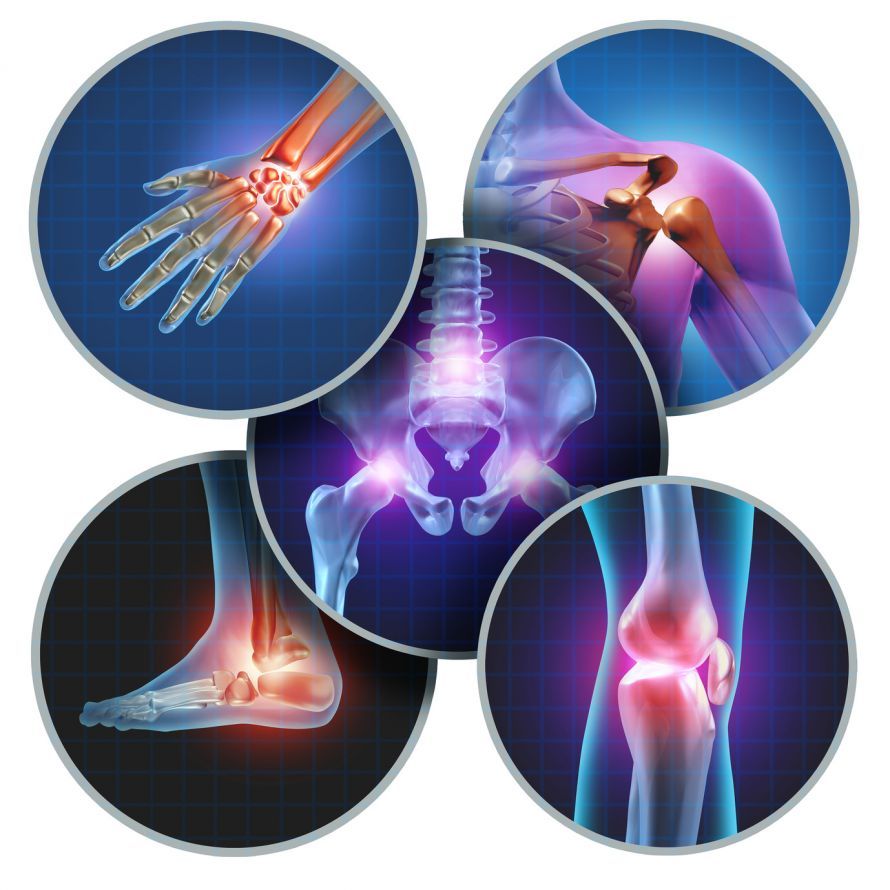
Shock wave therapy can significantly relieve pain. © freshidea /
What types of shock waves are used in physical medicine?
Medical professionals distinguish between radial and focused shock waves based on their propagation pattern:
- Radial shock waves act on the skin surface of an entire pain area and are frequently used in physical therapy.
- Focused shock waves, on the other hand, are more energetic and penetrate deeper into the body. They are precisely directed at a specific point on the body.
Effects and Indications of Shock Wave Lithotripsy for Orthopedic Conditions
When shock waves strike the affected area of the body, they trigger not only mechanical stimuli but also biochemical reactions.
These manifest in various processes:
- Improved blood flow and stimulation of metabolism
- The body releases active proteins, such as growth factors for regeneration and signaling molecules for metabolism (enzymes).
- Stimulation of bone growth
- Formation of new tissue
- Promotion of wound healing
Shock wave therapy stimulates the body’s self-healing processes, a valuable effect for orthopedic conditions and pain.
For which conditions is shock wave therapy used?
Originally used to treat kidney stones, shock wave therapy is now also used for other conditions.
Shock wave lithotripsy is used as a versatile form of therapy in urology, orthopedics, surgery, and dermatology.
Doctors primarily prescribe shock wave therapy for the following orthopedic conditions:
- Heel pain caused by heel spurs (plantar fasciitis)
- Shoulder conditions, such as calcific tendinitis
- Tennis and golfer’s elbow (tennis arm)
- Achilles tendon problems, such as achillodynia (inflammation of the Achilles tendon)
- Tendon and bursa inflammation in the hip joint
- Chronic tendonitis of the shoulder joints
- Bursitis at the tip of the kneecap (patellar tip syndrome)
- Chronic pain in the back, shoulder, and neck areas
- Osteoarthritis (joint wear and tear)
- Pseudarthrosis (failure of a bone fracture to heal)
- Shin splints (tibial stress syndrome)
Treatment Plan: How Does Shock Wave Therapy Work?
Before undergoing shock wave therapy, you may want to learn more about the procedure.
First, the doctor identifies the painful area and marks it. Sometimes an X-ray or ultrasound examination is also performed to pinpoint the exact location of the condition. Generally, the patient does not require anesthesia. Occasionally, the doctor administers a local anesthetic to the affected area.
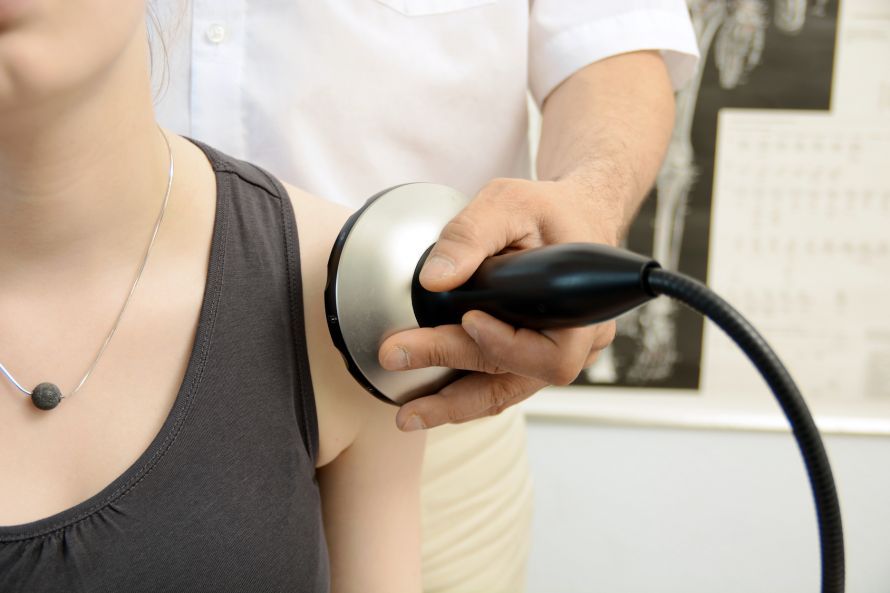 Treatment with shock waves. © Dan Race / Fotolia
The shock wave therapy device generates pressure waves and transmits their energy to a handheld device (transducer).
The doctor holds the transducer against the marked area, which directs the shock waves into the tissue under high pressure.
Patients find the initial shock waves particularly painful. However, the pain usually subsides as the session progresses. In addition, the doctor ensures that the pain remains tolerable.
A shock wave therapy session typically lasts between 5 and 15 minutes. Depending on the condition, the entire course of treatment usually consists of 1 to a maximum of 5 sessions.
What should patients keep in mind after shock wave therapy?
Follow-up treatment is rarely necessary. If you experience pain after shock wave therapy, you can take pain relievers and apply cold packs to the affected area.
It is advisable to rest the affected body part for a few days. However, you are generally able to work without restriction. Your doctor will inform you whether follow-up treatment is necessary and what it should entail.
Risks, Side Effects, and Contraindications
Shockwave therapy is a treatment with few complications. In rare cases, the following side effects may occur:
- temporary redness or swelling of the skin
- a brief increase in pain
- Bruising (hematomas)
- very minor bleeding of the periosteum
- slightly increased risk of further injuries, such as a tendon tear
Success Rates and Research: What are the chances of success with shock wave therapy?
The prognosis and effectiveness of shock wave therapy depend on the type of condition.
75 percent of patients with calcific tendinitis of the shoulder or tennis or golfer’s elbow experience no symptoms after treatment or a significant improvement.
The success rate is also high—about 65 percent—for patients with heel spurs. In general, shock wave therapy alleviates pain associated with all these conditions. However, there are patients for whom this form of treatment is not effective.
For which patients should shock wave therapy not be used?
Even though shock wave therapy is a gentle alternative to surgery, it is not suitable for every patient.
Doctors rule out shock wave therapy in the following cases:
- in children, adolescents, and pregnant women
- in cases of blood clotting disorders
- in cases of infections and severe inflammation of the bones and skin
- in cases of malignant tumors
- in patients with pacemakers
Your treating physician will advise you and work with you to develop individualized treatment options.
Costs of shock wave therapy: What does health insurance cover?
Private health insurance plans usually cover the full cost if the doctor justifies the need for the therapy. In contrast, public health insurance plans generally do not reimburse shock wave therapy. They approve a subsidy only in individual cases. It’s best to check with your health insurance provider before treatment to see if they will cover the costs. A shock wave therapy session costs between 60 and 100 euros.

About the medical author
Sabine Schneider
Editor-in-Chief
Sabine Schneider – medical author: Explore expert articles and medical expertise in the Leading Medicine Guide.
More about the medical author →