An upper arm lift (medically known as brachioplasty) is a well-established procedure in plastic and cosmetic surgery in which sagging or excess skin on the upper arms is removed and the tissue is tightened. Many people opt for this surgery when the skin on their upper arms sags due to significant weight loss, aging, or pregnancy. In addition to aesthetic reasons, functional issues often play a role, as the loose tissue can lead to friction, skin irritation, or limitations in daily life. Tightening the upper arms can result in a significantly younger and firmer appearance. Depending on the specific findings, various methods are used—ranging from traditional surgical skin tightening to modern laser procedures.
The treatment should always be planned by an experienced specialist in plastic and aesthetic surgery following a detailed consultation. Patients thus benefit from a personalized treatment plan that leads to a harmonious and safe outcome.
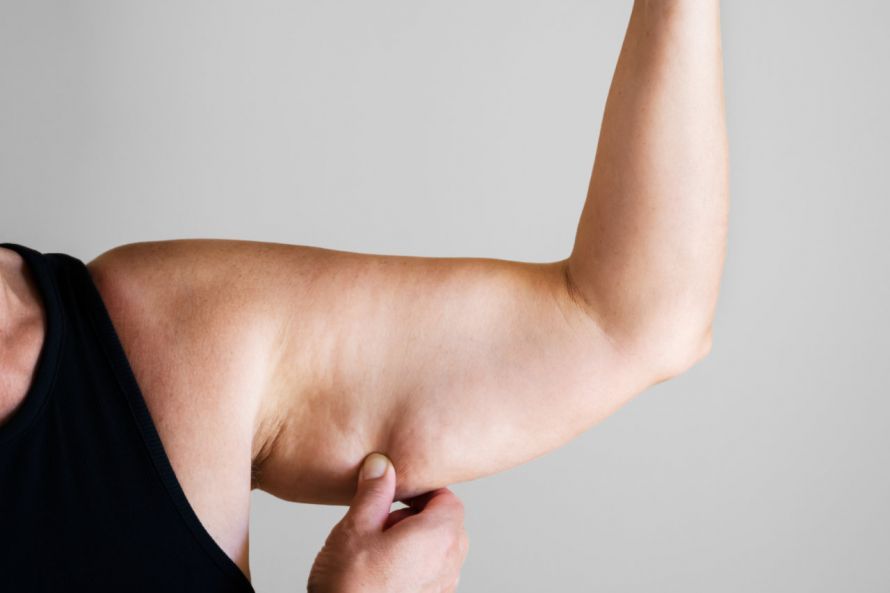
The skin on the upper arms is naturally thinner, which is why it tends to sag more easily starting in middle age. Significant weight loss or pregnancy can also lead to sagging upper arms. Some women also develop stretch marks on their upper arms.
Many women find the sagging skin bothersome or distressing and therefore opt for an upper arm lift. During this surgical procedure, excess skin—and often fat tissue as well—is removed, so that the arms appear firmer and more youthful again. To achieve a lasting lift of the upper arms, patients should have already reached their desired body weight before the operation.
The Upper Arm Lift Procedure
Before the actual procedure, patients first have a detailed consultation with a specialist in plastic and aesthetic surgery. During this consultation, personal goals, the individual’s current condition, and potential risks are discussed. The treating surgeon then determines the appropriate incision lines and surgical method.
The surgical upper arm lift is usually performed under general anesthesia and takes about two hours, depending on the extent of the procedure. The surgeon typically makes the incisions on the inner side of the upper arms or near the armpit to ensure that any resulting scars are as inconspicuous as possible. The surgeon then removes the excess skin and—if necessary—additional fatty tissue. In cases of significant excess skin, the incisions may extend to just before the elbows.
During the surgery, drains are inserted to ensure that wound fluid can drain properly. Afterward, a compression bandage is applied to stabilize the arms, reduce swelling, and support the desired contour. Immediately following the procedure, most patients spend one to two days in the hospital for observation.
Postoperative care begins immediately after surgery: Regular follow-up visits with a specialist, wearing compression garments, and avoiding physical exertion for several weeks are crucial for achieving optimal results from the upper arm lift.
Methods of Upper Arm Lift
Various procedures are available today for upper arm lifts. The choice of method depends on the amount of excess skin, the proportion of fatty tissue, and the patient’s personal expectations. Generally, a distinction is made between the classic surgical upper arm lift and modern procedures that do not require large incisions, such as laser treatment. In some cases, a combination of methods is also used.
Surgical Upper Arm Lift
The traditional form of upper arm lift is a surgical procedure that is typically performed under general anesthesia. The surgeon makes longitudinal incisions on the inner side of the upper arms or in the armpit area. Through these incisions, the surgeon removes excess skin and, if necessary, fat tissue as well. Depending on the incision pattern, the scar may extend to just before the elbow.
The advantage of this method is the significant and permanent reduction of excess skin. The disadvantage is the resulting scars, which often remain visible even after complete healing.
Liposuction
If the upper arms appear enlarged primarily due to excess fat deposits, liposuction may be a suitable option. This procedure is usually performed on an outpatient basis under local anesthesia. Through small incisions near the armpit or at the elbow, the specialist inserts thin cannulas and suctions out the previously loosened fatty tissue. Liposuction can be performed on its own or combined with a skin tightening procedure.
The procedure leaves only very small scars and is often perceived by patients as relatively minimally invasive.
Laser Upper Arm Lift (Non-Surgical)
A modern alternative is the non-surgical upper arm lift, which is performed using specialized laser techniques. In this procedure, the specialist typically works under twilight sedation, so general anesthesia is not required. The laser tightens the connective tissue, reduces excess fat cells, and improves skin elasticity. Many patients report that they experience very little pain after the procedure and can resume their daily activities after just a few days.
An additional advantage: This method does not involve any major incisions and therefore leaves no noticeable scars.
Combination of Methods
Specialized clinics for plastic and aesthetic surgery often use a combination of techniques: After liposuction, a laser is used to tighten the skin and fat tissue in the treatment area even more effectively. This approach can achieve particularly smooth results while reducing the risk of complications.
Costs and Financing Options
The cost of an upper arm lift depends heavily on the chosen method, the extent of the procedure, and the experience of the treating specialist. Whether the lift is performed using surgery alone, with liposuction, or with a laser also affects the final price. As a rule, the costs are not covered by health insurance, since this is generally considered a cosmetic procedure.
Overview of Costs (Depending on the Method)
| Procedure | Cost Range | Notes |
|---|---|---|
| Surgical upper arm lift (brachioplasty) | approx. 3,000–4,500 € | Includes general anesthesia, removal of excess skin and fat tissue; visible scars are possible |
| Liposuction | approx. 2,000 – 3,500 € | Can be performed on an outpatient basis, small incisions, no extensive skin tightening |
| Laser upper arm lift (non-surgical) | Starting at 2,000 € | usually performed under twilight sedation, minimal pain, no noticeable scars |
| Combination (liposuction + laser) | approx. 3,500–5,000 € | particularly smooth results, outpatient or short inpatient stay |
Financing Options
Since the costs of an upper arm lift are typically covered out-of-pocket in most cases, many clinics and practices offer flexible financing options or installment plans. The exact terms should be discussed directly with the treating specialist during a personal consultation or a no-obligation consultation appointment. This allows patients to plan their treatment optimally and better manage the financial burden.
Postoperative Care and Healing Process
Careful postoperative care is crucial for achieving the best possible outcome from an upper arm lift. Immediately after the surgical procedure, the arms are wrapped in a compression bandage or fitted with special compression garments. These stabilize the tissue, reduce swelling and bruising, and support the healing process.
In the first few days after surgery, patients often experience a feeling of tightness and mild pain. These symptoms usually subside significantly after about one to two weeks. It is important to consistently rest the arms during this time. Any strain—such as heavy lifting, exercise, or overhead work—should be avoided. Full strength is usually restored after five to eight weeks.
Regular follow-up appointments with the treating specialist are scheduled during the healing phase. During these visits, the sutures are checked, stitches are removed, and the healing process is monitored. Scar care also plays a key role, as it is the only way to ensure that the incision lines heal with minimal visibility.
Possible complications during the healing phase include postoperative bleeding, infections, or wound healing disorders. These are rare but should be evaluated by a doctor immediately if they occur. After a few weeks, most of the swelling has already subsided completely, but the final result often becomes apparent only after several months.
Patients should also be aware that significant weight loss after the lift can lead to excess skin again. For this reason, specialists recommend achieving your desired body weight before surgery and then maintaining a stable weight as much as possible afterward.
Risks and Possible Complications
As with any surgical procedure, upper arm lifts also carry certain risks, which patients should be informed about in advance during the consultation.
Common Side Effects
Swelling and bruising in the upper arm area almost always occur after surgery. Although these are uncomfortable, they are considered normal and subside over the following weeks. A temporary feeling of tightness in the treated tissue is also common.
Scars and Wound Healing
The necessary incisions result in scars that remain more or less visible depending on the individual’s predisposition and the chosen incision technique. In some cases, excessive scarring or the formation of keloids (raised scars) may occur. These sometimes require additional scar revision.
Medical Complications
Possible complications include:
- Postoperative bleeding or infections in the surgical area
- Wound healing disorders with delayed regeneration
- Nerve damage, which can lead to temporary or, in rare cases, permanent numbness
- Injuries to lymphatic vessels, which cause swelling
Postoperative Care to Minimize Risks
The potential risks listed above can be significantly reduced through careful postoperative care, precise incision techniques performed by an experienced plastic and aesthetic surgeon, and consistent use of compression garments. It is also important to avoid strong sunlight during the first six months after surgery, as scars may otherwise become permanently discolored.
Results of an Upper Arm Lift
The final results of an upper arm lift are usually visible after a few months, once swelling and bruising have completely subsided and the scars have largely healed. The goal of the procedure is to permanently remove excess or sagging skin and tighten the upper arms, creating a harmonious and aesthetically pleasing overall appearance.
In most cases, excellent results are achieved: the arms appear significantly slimmer, more defined, and more youthful. Although small scars are visible, with consistent care they heal to the point where they are barely noticeable after some time.
Women aged 40 and older particularly often opt for this procedure, as skin elasticity noticeably decreases at this age. However, an upper arm lift can also deliver satisfactory and long-term stable results following significant weight fluctuations.
However, optimal results always require careful post-operative care and adherence to the doctor’s recommendations. This includes maintaining a healthy lifestyle, avoiding nicotine, and keeping weight as stable as possible to prevent excess skin from forming again.
FAQ Frequently Asked Questions About Upper Arm Lifts
How long does recovery take after an upper arm lift?
After surgery, it usually takes six weeks before the upper arms can bear full weight again. In the first few days, the arms should be kept as still as possible with a sling and protected from excessive movement. The final result often becomes apparent only after several months.
What are the costs of an upper arm lift?
The cost of an upper arm lift ranges from 2,000 to 4,500 euros, depending on the method and extent of the procedure. Anyone researching upper arm lifts should consider not only the treatment costs themselves but also potential additional expenses such as anesthesia, hospital stay, or follow-up care. Many clinics also offer installment plans or financing options.
Where does the surgeon make the incisions?
In a traditional upper arm lift, the incisions are usually made on the inner side of the upper arms or with a single incision in the armpit. Depending on the amount of excess skin, the scars can extend from the armpit to just before the elbow. This allows for the safe removal of excess skin and fat tissue.
What should patients keep in mind after an upper arm lift?
Patients should consistently wear compression garments during the first few weeks and avoid physical exertion. It is also important to avoid direct sunlight to prevent noticeable scars from forming. Specialists emphasize that maintaining a stable weight is crucial—this is the only way to ensure that the final results of the upper arm lift are long-lasting.
Skin tightening without surgery—is this also possible on the back of the upper arm?
Yes, modern laser methods allow for gentle skin tightening even on the back of the upper arm. This treatment is typically performed under twilight sedation and involves approximately two small punctures. Since no long incisions are necessary, many patients report a smooth skin surface and minimal pain after the procedure.