News
Sleep Apnea: When Sleep Becomes a Danger

Melanie Al Tikriti, BSc ·
Understanding Sleep Apnea: What Happens in the Body
Sleep apnea is a serious sleep disorder characterized by repeated pauses in breathing during the night. These pauses last from several seconds to several minutes and can occur multiple times per hour.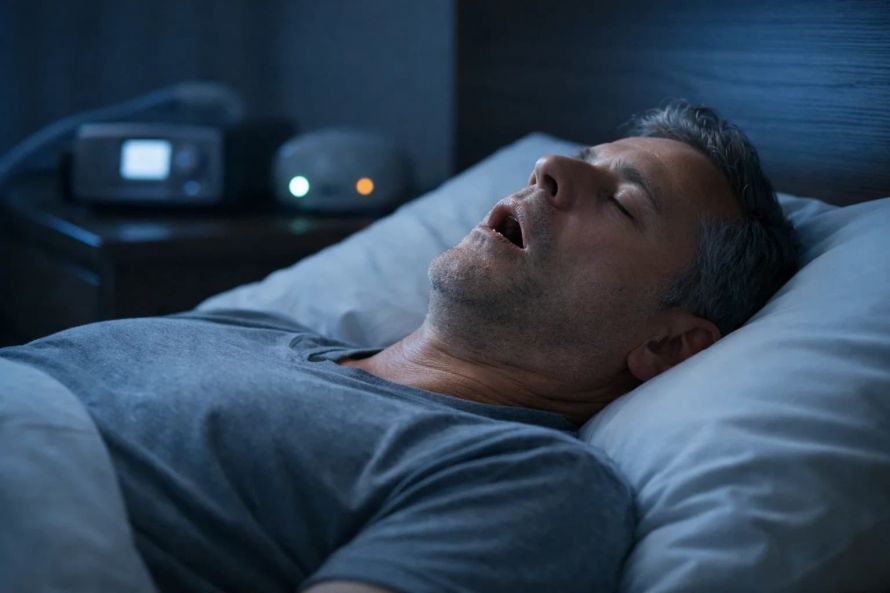
Many people with this condition are unaware of it, but the body reacts immediately: heart rate and blood pressure rise, blood oxygen levels drop, and the brain is put under stress. In the long term, untreated sleep apnea can significantly increase the risk of high blood pressure, heart attack, stroke, or metabolic disorders and severely impair overall quality of life.
The most common form is obstructive sleep apnea, in which the airways in the throat become blocked, often due to sagging tissue, enlarged tonsils, or a tongue that falls back.
Central sleep apnea is less common and occurs when the brain temporarily fails to send breathing signals to the lungs. Some people experience a combination of both types. Regardless of the form, it is crucial to detect and treat sleep apnea early to prevent long-term health complications.
Sleep is fragmented by repeated arousal episodes, which means that those affected often do not get restful sleep, even if they believe they have slept through the night.
Recognizing Warning Signs
Important warning signs include:
- Loud, irregular snoring, often interrupted by pauses in breathing
- Breathing pauses observed by a partner or family members
- Night sweats for no apparent reason
- Severe daytime sleepiness
- Morning headaches caused by a lack of oxygen
- Difficulty concentrating, forgetfulness, irritability, or mood swings may occur.
Many people with the condition report that they suddenly fall asleep during the day—for example, while reading or watching TV—which is a clear warning sign of the condition. A decline in performance at work or during sports can also be an indication of sleep apnea.
Risk Factors and Causes
Sleep apnea can be caused by a variety of factors. Being overweight is one of the most common causes, as fat deposits in the neck area narrow the airways and increase the risk of breathing pauses.
Anatomical features such as a small jaw, a receding chin, or enlarged tonsils further obstruct the airflow. As people age, the muscles in the throat area weaken, which increases the likelihood of apnea episodes.
Men are affected more frequently, while the risk for women increases after menopause. Alcohol, sedatives, or certain sleep medications relax the muscles in the throat and contribute to breathing pauses, while smoking promotes inflammation and swelling in the airways.
A family history of the condition can also increase susceptibility.
Diagnosis
The diagnosis is usually made through a sleep study, either in a sleep lab or using a home monitoring device. During the study, breathing, heart rate, oxygen saturation, and sleep stages are monitored. The apnea-hypopnea index (AHI) indicates how many breathing pauses occur per hour.
A high index indicates a severe form, while a low index suggests a milder form. Partners often provide valuable insights, as those affected are not aware of the nighttime pauses themselves.
In some cases, blood pressure, heart rate variability, or other health parameters are also assessed to detect potential complications at an early stage.
Treatment Options
Treatment depends on the type and severity of the condition and can be tailored to the individual:
- CPAP machine: Continuously blows air into the airways, keeping them open and preventing breathing pauses.
- Oral or tongue splints: Position the lower jaw or tongue so that the airways remain open.
- Weight loss: Even moderate weight loss can significantly alleviate symptoms and reduce the number of breathing pauses.
In severe cases, surgery may be recommended to remove anatomical obstructions, such as the removal of enlarged tonsils or tightening of the soft palate. In addition, lifestyle changes can significantly enhance the effectiveness of therapy and devices: sleeping on your side, avoiding alcohol or sleep aids before bedtime, and quitting smoking all help reduce symptoms and stabilize overall health.
Prevention and Everyday Tips
In addition to medical treatment, those affected can make specific changes to their daily routines to manage sleep apnea. A regular sleep schedule and sufficient sleep are crucial, as is moderate physical activity to strengthen muscles.
A healthy, balanced diet also supports overall fitness and can help reduce excess weight. Adjusting one’s sleeping position—particularly sleeping on one’s side rather than on one’s back—helps many people reduce the frequency of breathing pauses.
Substances that relax the throat muscles should be avoided whenever possible. These adjustments improve sleep quality, make it easier to use medical devices, and reduce the risk of complications.
Conclusion – Effectively Recognizing and Treating Sleep Apnea
Sleep apnea is far more than just disruptive snoring. Nighttime breathing pauses strain the heart, circulatory system, and brain, leading to daytime fatigue, difficulty concentrating, and mood swings.
Those who recognize warning signs early, reduce risk factors, and seek medical help can manage the condition and prevent health complications. With targeted therapy, lifestyle adjustments, and awareness, sleep quality can be significantly improved, and the long-term risks of cardiovascular disease or metabolic problems are substantially reduced.
Taking action early is the best protection against the consequences of sleep apnea.
Share this article
Verified expertise
Recommended specialists
12 specialists
12 results

Thoraxklinik-Heidelberg gGmbH
Heidelberg


Dr. Dr. Christoph Pytlik M.Sc
Bielefeld

Dr. Maik Brandes
Münster

Dr. med. Jan Hagemann
Wiesbaden

Lungenkrebszentrum Treuenbrietzen
Treuenbrietzen

Prof. Dr. med. Christoph Bergmann
Dusseldorf


Prof. Dr. med. Peter Issing
Bad Hersfeld

Prof. Dr. Serena Preyer
Karlsruhe




1 / 2
News
Read next
- News
Scabies: A contagious skin disease that is easily treatable
Oct 26, 2026
Severe itching and minor skin changes should be taken seriously
Read more - News
Heat Rash: What's Behind the Itchy Blisters
Oct 23, 2026
Heat Rash: Heat and Sweat Can Disrupt the Skin's Balance
Read more - News
Enlarged Prostate – When Medication Is Sufficient and When Surgery Is Recommended
Oct 21, 2026
Why Many Men Ignore Urinary Problems for Too Long
Read more