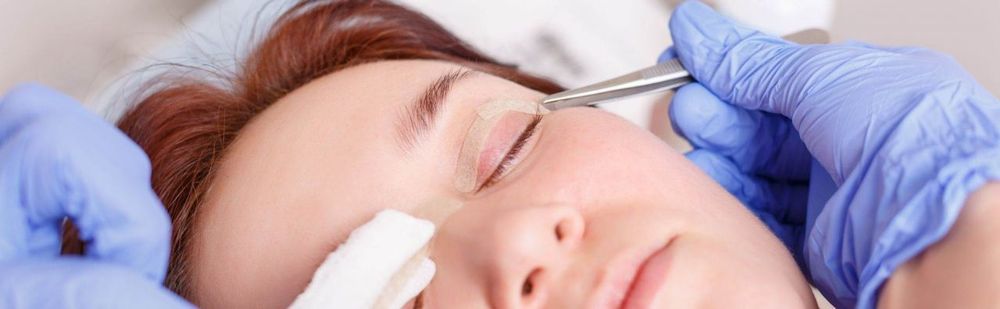
Eyelid surgery may be necessary due to aging or for medical reasons. Specialists in eyelid surgery are ophthalmologists who have completed additional training in ophthalmoplastic surgery. They undergo comprehensive training to achieve the best possible results in eyelid surgery. Here you will find further information as well as a selection of eyelid surgeons.
Public and private health insurance plans cover medically necessary eyelid procedures if they are considered curative treatments.
Cosmetic surgeries, on the other hand, are considered private services. An exception is the reconstruction of facial features and eyelids following an accident.
Reasons for Medical Eyelid Surgery
Medically necessary eyelid procedures are primarily performed in the following cases:
- After severe injuries
- In cases of tumors
- In cases of functional impairment of the eyelid, or
- In cases of eyelid malposition
There are essentially three types of eyelid malpositions:
- entropion (= an eyelid turned inward),
- ectropion (= an eyelid turned outward), and
- ptosis (= drooping upper eyelid)
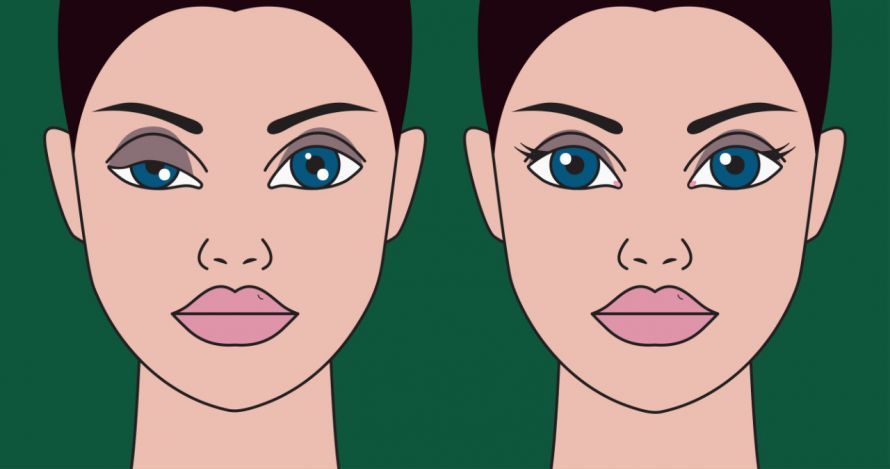
Eyelid abnormalities can lead to certain complications, such as
- Red eyes
- Burning eyes
- Inflammation in the eye or
- Corneal ulcers
Through eyelid surgery, doctors tighten the eyelid and restore it to its natural shape and position. Correcting the eyelid malposition usually also resolves these complications.
Tumor Treatment
The eyelids can also be affected by skin tumors.
A distinction is made between benign and malignant lesions. They pose a threat to the eyelid, the eye, and the eye socket and can, under certain circumstances, be life-threatening.
Depending on the type and location of the tumor, the eyelid surgery specialist performs reconstructive surgery after tumor removal. This may be functional or aesthetic.
Treatment of Lacrimal Duct Disorders
Eyelid surgeons are involved in the treatment of disorders or diseases of the tear ducts in the lower eyelid.
This may require surgically dilating the affected tear duct. In some cases, tear duct surgery is necessary to reopen it.
Applications of purely aesthetic eyelid surgery
Purely cosmetic, or plastic-aesthetic, eyelid surgery refers to surgical procedures on the eyelid that are not medically indicated.
This usually involves correcting age-related changes to the eyelids. Doctors can improve these changes surgically or by injecting the skin with hyaluronic acid or Botox.
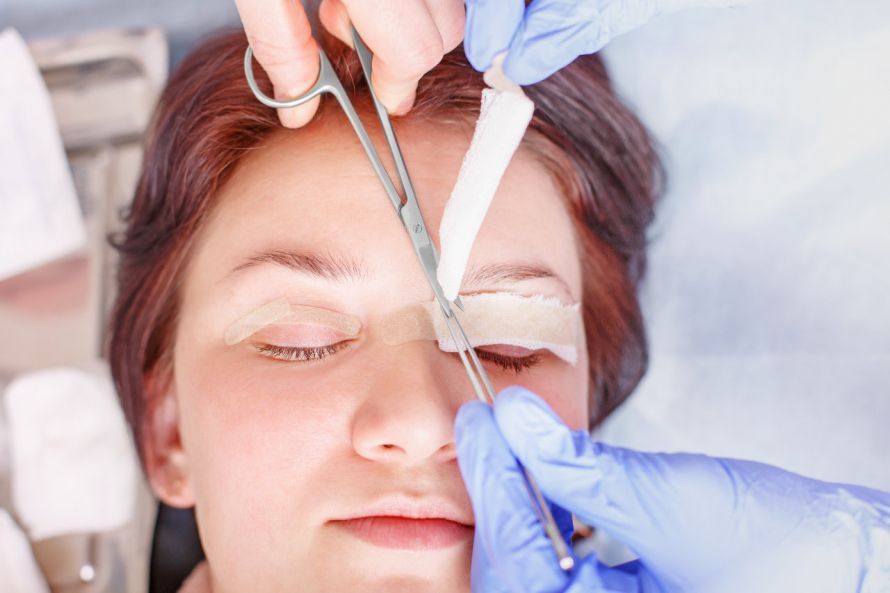
Upper Eyelid Lift (Upper Blepharoplasty)
As people age, many experience what is known as upper eyelid ptosis, a condition that can run in families. In this condition, the skin of the upper eyelid sags, thereby narrowing the field of vision. Due to the reduced amount of light entering the eye, chronic fatigue and exhaustion may result.
During surgery, an eyelid surgery specialist removes the excess skin from the upper eyelid as well as small deposits of fat. This tightens the eyelid.
In specialized eye clinics that routinely offer eyelid correction, the procedure is performed on an outpatient basis under local anesthesia.
Lower Eyelid Lift (Lower Blepharoplasty)
With advancing age—and often due to genetic factors—many people experience what is known as lower eyelid changes. In this condition, the tissue beneath the eye sags, resulting in bags under the eyes or bulges caused by protruding fatty tissue. This can not only make one appear tired and worn out but, in severe cases, can also lead to functional symptoms such as a feeling of tightness or irritated eyes.
During surgery, an eyelid surgery specialist removes excess skin from the lower eyelid and corrects or reposition existing fat deposits to restore a smooth, firm contour. The goal is to achieve a rejuvenated yet natural appearance of the eye area.
In specialized eye clinics that routinely perform lower eyelid corrections, the procedure is typically performed on an outpatient basis under local anesthesia. Compared to upper eyelid surgery, however, lower eyelid blepharoplasty is considered technically more challenging and associated with a slightly higher risk of complications, which is why particularly careful planning and execution by an experienced surgeon are crucial.
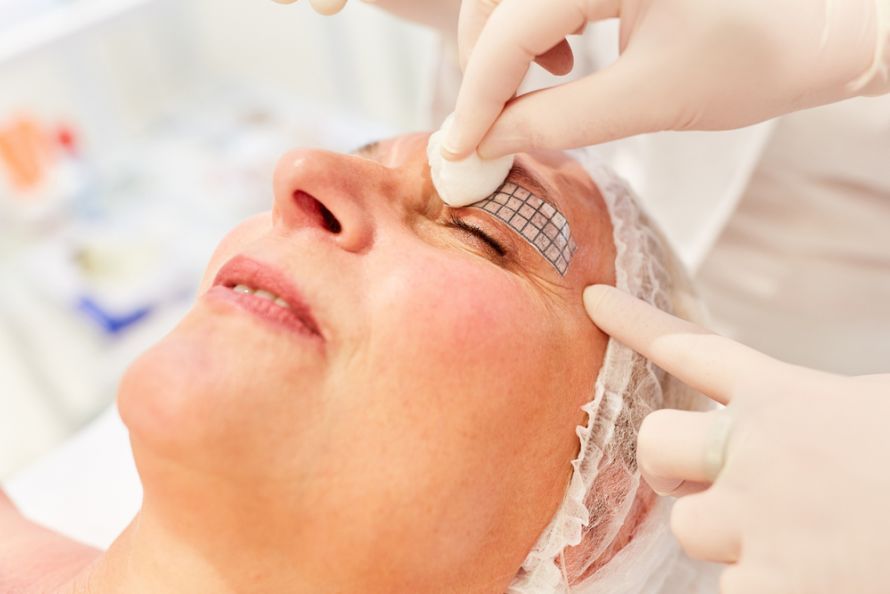
Wrinkle Correction
To correct small wrinkles on the eyelids, you generally do not need to resort to eyelid surgery. In these cases, dermal fillers using Botox or hyaluronic acid injections are already very effective.
The downside is that the effects of these injections are temporary. Therefore, you’ll need to undergo another treatment session at regular intervals.
Which specialists are eyelid surgeons?
Specialists in eyelid surgery are ophthalmologists who have ten years of surgical experience in the field of eyelid surgery.
When choosing a clinic for eyelid surgery, make sure above all that the surgeons perform such procedures regularly. After all, the old saying “Practice makes perfect” certainly applies in the field of surgery.

About the medical author
Prof. Dr. Dr. Ludwig Heindl
Medical Editor · Cologne
Sources
- Deutsche Ophthalmologische Gesellschaft (DOG): Leitlinien, Stellungnahmen und Empfehlungen: dog.org/aerzteschaft/stellungnahmen-und-empfehlungen