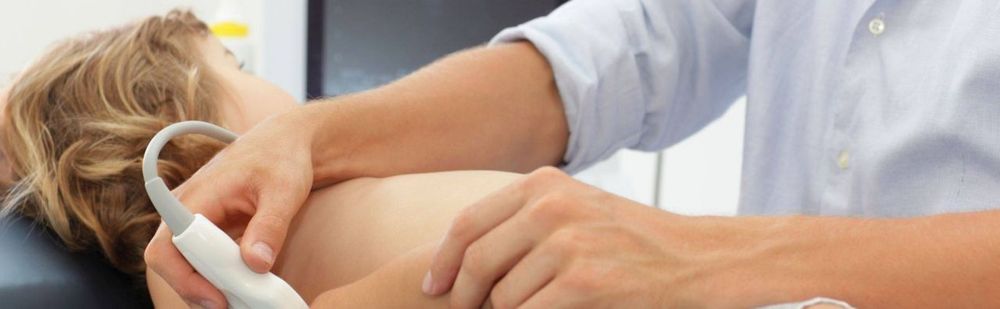
Pediatric orthopedics deals with congenital deformities and acquired injuries in children and adolescents. As a subspecialty of orthopedics, pediatric orthopedics is primarily practiced in specialized pediatric orthopedic clinics.
As a specialty within the field of orthopedics, pediatric orthopedics treats deformities and disorders of the skeletal system in children and adolescents.
The earliest evidence of pediatric orthopedics dates back to ancient times. Hippocrates is said to have treated clubfoot in children using strips of papyrus. In the 20th century, pediatric orthopedists focused primarily on the sequelae of poliomyelitis and bone tuberculosis.
Despite vaccinations against poliomyelitis and the availability of antibiotics for tuberculosis, both diseases are on the rise again today. General vaccine hesitancy is facilitating the resurgence of poliomyelitis.
The rise in antibiotic resistance is also a serious setback in the fight against tuberculosis. Tuberculosis bacteria are returning to Germany, particularly from Eastern and Southeastern Europe.
What conditions do pediatric orthopedists treat?
Specialists and clinics in pediatric orthopedics treat congenital and acquired deformities and diseases of the musculoskeletal system.
Today, in addition to treating bone fractures, dislocations, and scoliosis, these are among the main responsibilities of pediatric orthopedists.
Children and adolescents have a much greater urge to move than adults, which is why sports injuries occur very frequently in this age group. Soccer, parkour, skateboarding, and martial arts, in particular, carry an increased risk of bone fractures and dislocations.
Clear signs of a fracture include, for example, abnormal mobility of the limbs, a crunching sound, a visible fracture site, as well as misalignments and gaps in the bone. These injuries usually require the care of a pediatric orthopedist to prevent bone misalignment or future joint damage.
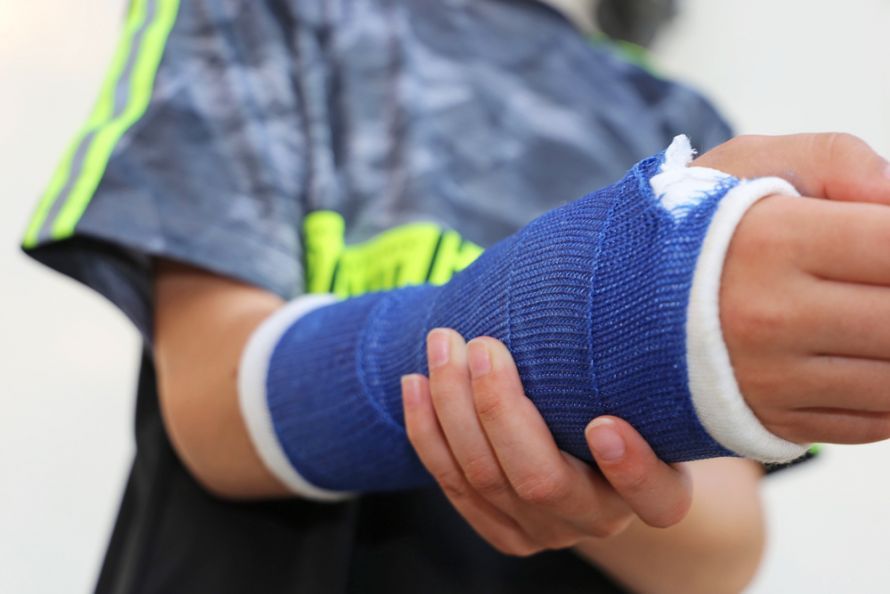 Forearm fractures often occur when a child falls onto their hand or forearm @ U. J. Alexander / AdobeStock
In cases of autoimmune diseases associated with joint damage, conservative treatments or joint replacement may also be used.
This is more challenging in children and adolescents than in adults, as their skeletal system is still developing.
What treatments and therapies are used in pediatric orthopedics?
Specialists in pediatric orthopedics increasingly use the following methods to help their young and older patients:
- Physical therapy
- Orthoses
- Osteotomy
- Tenotomy
- Spondylodesis
- External fixator
- Epiphysiodesis
- Scoliosis surgery
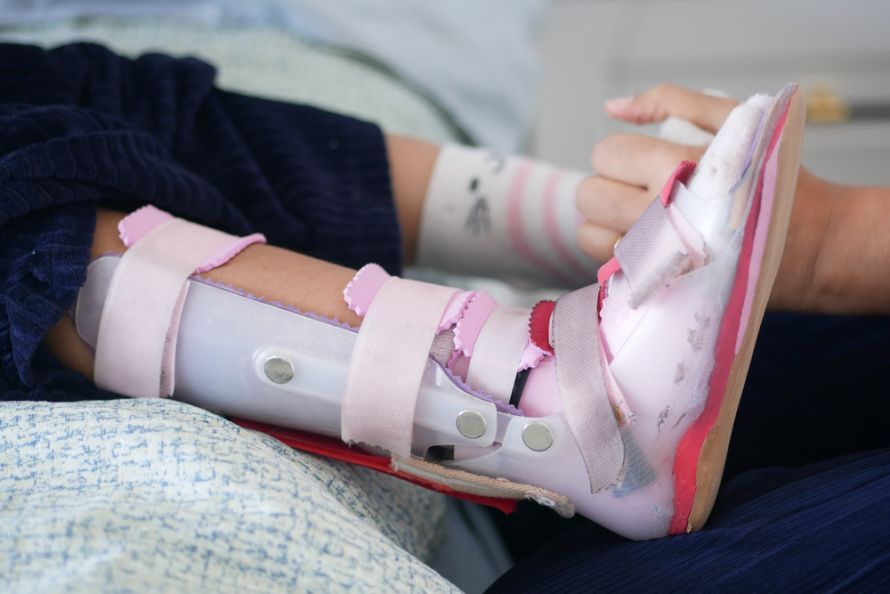 Lower-leg orthosis for children @ Towfiqu Barbhuiya /AdobeStock
Which medical specialists focus on pediatric orthopedics?
Specialists in pediatric orthopedics are orthopedic surgeons who, after completing medical school, undergo specialized training in pediatric orthopedics. Even among specialists in pediatric orthopedics, there are subspecialties that focus on specific conditions and/or surgical procedures.
The German Society for Orthopedics and Orthopedic Surgery (DGOOC) has had a section dedicated to pediatric orthopedics since 1987. This section organizes annual continuing education conferences and seminars.
This ensures that pediatric orthopedists always maintain the highest level of expertise in their range of treatment methods. Physicians in every specialty are required to undergo continuing education to ensure that patient care meets high quality standards.