Flatulence refers to the involuntary retention of intestinal gas. When flatulence occurs, the abdomen is bloated and feels tight; in some cases, it can also lead to painful abdominal cramps. Bloating often leads to abdominal pain. Bloating can have a wide variety of causes, ranging from eating gas-producing foods to underlying medical conditions. In most cases, bloating can be managed with simple remedies.
Here you’ll find more information as well as a selection of doctors who specialize in treating bloating.
What are the possible causes of bloating? How does bloating occur?
There are many possible causes of bloating. The most common causes are:
- Eating foods that cause bloating (e.g., legumes, cabbage, onions, fresh bread, carbonated beverages)
- Eating or drinking too quickly (which often causes you to swallow air)
- Heavy meals
- Sweets, sugar, and sugar substitutes (which produce more intestinal gas than the digestion of healthier foods)
- Excessive consumption of alcohol, nicotine, and coffee
- Switching to a whole-food or raw food diet
- Imbalances in the composition of digestive juices or when the intestines are sluggish
- Mental health issues: stress, anxiety, depression, nervousness, etc.
- Infections and inflammation
- Bacteria in the intestines that produce excessive amounts of gas
- Lactose intolerance
- Impaired bile flow
- Chronic inflammatory bowel diseases
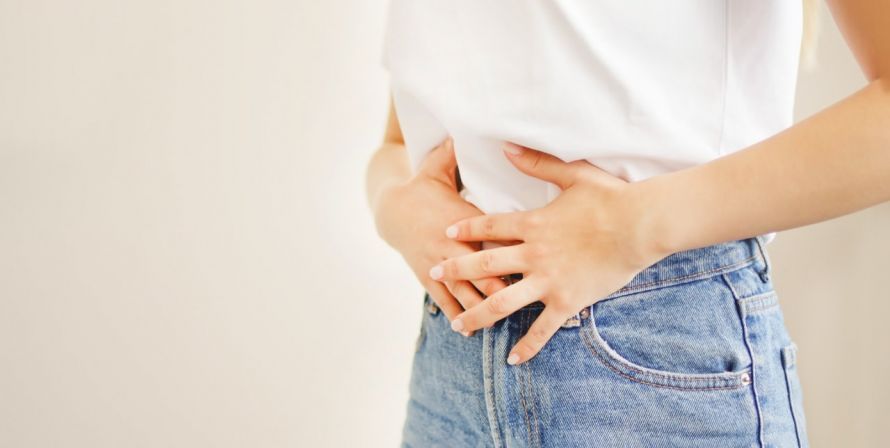
Bloating can cause abdominal pain © AliceCam | AdobeStock
What are the symptoms of bloating, and when should you be concerned?
Bloating manifests in various ways and can range from a mild feeling of pressure to distinctly noticeable discomfort. Typically, bloating and a feeling of fullness occur together, and those affected experience an unpleasant sensation of tightness in the abdomen. In some cases, the symptoms causing bloating are accompanied by diarrhea or constipation, as digestion may be disrupted overall.
Many people report that bloating occurs after eating or that they are prone to bloating—especially after meals that are difficult to digest. It can also happen that bloating recurs repeatedly or even persists constantly, which may indicate a sensitive digestive system or an underlying disorder.
From a medical perspective, bloating refers to the presence of gas in the intestines. In some cases, the gas may not be fully expelled and thus remains “trapped” in the abdomen, which exacerbates the discomfort.
If acute bloating occurs suddenly along with other symptoms or is accompanied by warning signs such as blood in the stool, you should see a doctor promptly. A medical evaluation is also important if a serious illness is a possible cause or if the symptoms are very severe.
What helps relieve bloating? Home remedies for bloating
Bloating can result from various triggers and vary in severity. The following measures are intended to treat bloating and may help relieve acute symptoms:
- Herbal remedies: caraway, fennel, or anise in the form of tea or drops. Feel free to also test the effects of ginger, cilantro, peppermint, yellow gentian, marjoram, and wormwood on your physical well-being
- Anti-foaming preparations: Products containing the active ingredient dimethicone or similar substances (chewable tablets, suspensions) break down gas bubbles in the intestines
- Hot water bottles, a warm cherry pit pillow, or warm, moist compresses around the abdomen
- Abdominal massage in a clockwise direction
- Avoid wearing clothing that is too tight around the abdomen (pants, belts, etc.) so that the intestines can move more freely and to prevent bloating
Bloating should subside or improve significantly after a short period of self-treatment. A medical evaluation is recommended, especially in cases of frequent or severe bloating.
FAQ
What are typical symptoms of bloating?
The most common symptoms include a feeling of fullness, a tight abdomen, and increased gas buildup in the intestines.
What can cause bloating?
The cause of bloating is often related to diet, but it can also be due to medical conditions or digestive issues. Bloating after eating is particularly common.
When should you see a doctor about bloating?
If bloating persists or is accompanied by additional symptoms such as pain, you should seek medical evaluation.
What can you do about bloating?
Home remedies such as applying heat, exercising, or adjusting your diet often help relieve bloating. The goal is to alleviate symptoms and stabilize digestion.
Share this article

About the medical author
Sabine Schneider
Editor-in-Chief
Sabine Schneider – medical author: Explore expert articles and medical expertise in the Leading Medicine Guide.
View full expert profile →