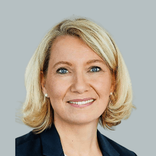
Prof. Dr. med. Stefanie Behnke
Neurologist in Sulzbach and Püttlingen
Knappschaft Kliniken Saar GmbH· An der Klinik 10, 66280
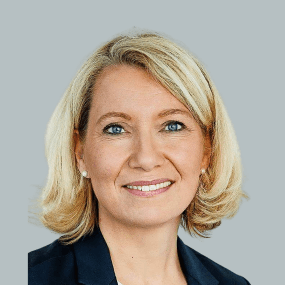
Prof. Dr. med. Stefanie Behnke is one of the most experienced specialists in modern neurology and combines medical expertise with patient-centered care. As Chief of Neurology at the Knappschaft Clinics in Sulzbach and Acting Head of Neurology at the Püttlingen location, she treats patients with acute and chronic neurological conditions at the highest professional level. Her areas of specialization include, in particular, stroke medicine, the treatment of movement disorders, clinical neurophysiology, and modern neurological diagnostics.
Areas of focus
- Stroke Medicine and Care in the Specialized Stroke Unit
- Diagnosis and Treatment of Parkinson’s Disease and Other Movement Disorders
- Treatment of Multiple Sclerosis and Inflammatory Neurological Diseases
- Neurological Ultrasound Diagnostics
- Treatment of Neurodegenerative Diseases
- EEG, EMG, and Nerve Conduction Velocity Diagnostics
- Diseases of the Central and Peripheral Nervous Systems
- Acute Neurology and Neurological Intensive Care
- Individually Tailored Neurological Therapy and Treatment Plans
About Prof. Dr. med. Stefanie Behnke
Prof. Dr. med. Stefanie Behnke advocates for a modern and holistic approach to neurology, in which innovative medicine and individualized patient care are closely intertwined. As Chief of Neurology at the Knappschaft Clinics in Sulzbach, she has extensive experience in the diagnosis and treatment of neurological disorders. Her areas of specialization include the treatment of strokes, Parkinson’s disease and other movement disorders, multiple sclerosis, and neurodegenerative diseases such as dementia. Patients benefit from guideline-based therapy grounded in the latest scientific findings.
A particular focus of the neurology clinic is the treatment of neuroimmunological conditions. In collaboration with the directors of the certified MS Center, Dr. Jasmin Naumann and Dr. Karsten Kern, all modern therapeutic methods are employed. The necessary imaging (MRI, CT) and electrophysiological (evoked potentials, electroneurography and electromyography, EEG) examinations enable precise diagnosis of diseases of the brain, nerves, and muscles and form an important basis for individually tailored treatment plans. Close interdisciplinary collaboration within the clinic ensures comprehensive, high-quality neurological care.
The neurology department at Knappschaft Kliniken Sulzbach also features a modern stroke unit for the specialized care of stroke patients. Prof. Dr. med. Stefanie Behnke is recognized as an experienced expert, particularly in the field of stroke medicine. The goal of treatment is to detect neurological deficits early and to initiate appropriate therapeutic measures as quickly as possibleto minimize long-term damage and improve quality of life in the long term. During the neurovascular consultation, stroke risk factors are specifically assessed, and patients receive personalized advice regarding appropriate treatments.
Acting Head of Neurology at the Püttlingen Campus
Thanks to cross-site collaboration within the Knappschaft Clinics in Sulzbach and Püttlingen, patients benefit from close professional exchange as well as modern diagnostic and therapeutic procedures in neurology.
Püttlingen Campus – Neurology
Knappschaft Kliniken Püttlingen
35 Humes Street
66346 Püttlingen
More information on neurology in Sulzbach:
https://www.knappschaft-kliniken.de/sulzbach/fachabteilungen/neurologie/
Additional services
- Neuralgia (Nerve Pain)
- Neuromuscular Diseases
- Neuropathy
- Neuropathic Pain
- Neurovascular disorders
- Parkinson's disease
- Polyneuropathy
- Restless legs syndrome
- Stroke
- Dizziness
- Spinal Muscular Atrophy
- Speech Disorders
- Speech Disorders
- Tarsal Tunnel Syndrome
- Tic Disorders
- Tremor
- Cerebral Ischemia
Location
How to reach Prof. Dr. med. Stefanie Behnke

Knappschaft Kliniken Saar GmbH
Specialisation
The medical spectrum of Prof. Dr. med. Stefanie Behnke
Diseases
- Neurovascular Diseases (opens in a new tab)
- Stroke (opens in a new tab)
- Cerebral Ischemia (opens in a new tab)
- Neuralgia (Nerve Pain) (opens in a new tab)
- Akathisia (opens in a new tab)
- Huntington's Chorea (opens in a new tab)
- Dystonia (opens in a new tab)
- Epilepsy (opens in a new tab)
- Facial nerve palsy (opens in a new tab)
- Paralysis (opens in a new tab)
- Meralgia Paresthetica (opens in a new tab)
- Migraine (opens in a new tab)
- Multiple Sclerosis (opens in a new tab)
- Myasthenia gravis (opens in a new tab)
- Neuromuscular Diseases (opens in a new tab)
- Neuropathy (opens in a new tab)
- Neuropathic Pain (opens in a new tab)
- Parkinson's (opens in a new tab)
- Polyneuropathy (opens in a new tab)
- Restless Legs Syndrome (opens in a new tab)
- Spinal Muscular Atrophy (opens in a new tab)
- Tarsal Tunnel Syndrome (opens in a new tab)
- Tremor (opens in a new tab)
- Balance Disorders (opens in a new tab)
- Position-Related Vertigo (opens in a new tab)
- Dizziness (opens in a new tab)
- Amnesia (opens in a new tab)
- Movement Disorders (opens in a new tab)
- Dementia (opens in a new tab)
- Tic Disorders (opens in a new tab)
- Speech Disorders (opens in a new tab)
- Speech Disorders (opens in a new tab)
- Brain tumor (opens in a new tab)
- Brain Injury (Traumatic Brain Injury) (opens in a new tab)
- Vaccine-related injuries (opens in a new tab)
- Myelitis (opens in a new tab)
Treatments
- Neuroimmunology (opens in a new tab)
- Baclofen pump (opens in a new tab)
- Early Neurological Rehabilitation
- Neurological Botulinum Toxin Therapy