When connective tissue loses its elasticity and dimples form on the thighs, many women are reluctant to show their legs. The cause is weak connective tissue—cellulite, also known as “orange peel skin,” is a well-known consequence. Women are affected far more often than men. This article explains the causes, what you can do about it, and which doctor treats weak connective tissue.
What exactly is connective tissue?
Connective tissue is a fundamental component of our body. It is a supportive tissue found in the skin as well as in muscle and adipose tissue. Compared to other types of tissue, connective tissue contains few cells but a large amount of intercellular matrix (also known medically as the extracellular space). The most important component of connective tissue is collagen fibers, which provide sufficient elasticity and strength. When collagen loses its elasticity, this is referred to as connective tissue weakness.
What exactly is meant by connective tissue weakness?
Connective tissue weakness is primarily a cosmetic issue that affects women in particular. The fact is: as soon as the connective tissue loses its tone and elasticity, the skin sags. Dimples, spider veins, and stretch marks often form. Varicose veins and hemorrhoids are also not uncommon. For this reason, you should by no means take this problem lightly.

Cellulite in an athletic 28-year-old woman
What are the causes of connective tissue weakness?
The most important and unavoidable cause of connective tissue weakness is age. This is, so to speak, a natural aging process, because connective tissue loses elasticity over the years. As we get older, the body produces less collagen. Collagen is a protein found primarily in connective tissue. Vitamin C and lysine are among the most important building blocks of collagen fibers. Lysine is an essential amino acid (a building block of protein) that the body cannot produce on its own. Vitamin C, on the other hand, is a water-soluble vitamin that we must also obtain through our diet.
The older we get, the less collagen the body can store. Our body primarily supplies the organs, joints, and muscles with collagen to maintain the supporting tissue. However, significantly less collagen remains for the skin, which is why it gradually loses its firmness. The elasticity of the blood vessels also decreases, leading to the development of spider veins, varicose veins, or hemorrhoids.
What can be done to slow the progression of connective tissue weakness?
There is little that can be done to counteract the aging process—and thus the primary cause of connective tissue weakness. However, connective tissue weakness is not solely a sign of aging. A lack of exercise, addictive substances (nicotine, alcohol), and an unbalanced diet high in sugar and fat are also possible causes. Here, a healthy lifestyle—that is,
- a healthy and balanced diet,
- plenty of exercise in the fresh air,
- and avoiding harmful substances such as smoking and alcohol
can certainly help slow the progression of connective tissue weakness.
Although connective tissue weakness cannot be cured, the symptoms can be effectively treated. You should accept cellulite to some extent—it’s simply a part of life for most women and cannot always be controlled even with plenty of exercise and a healthy diet.
What are the symptoms of connective tissue weakness?
Connective tissue weakness develops slowly. Many people affected don’t even notice the problem at first, until
- stretch marks
- indentations in the skin
- spider veins
- varicose veins
appear.
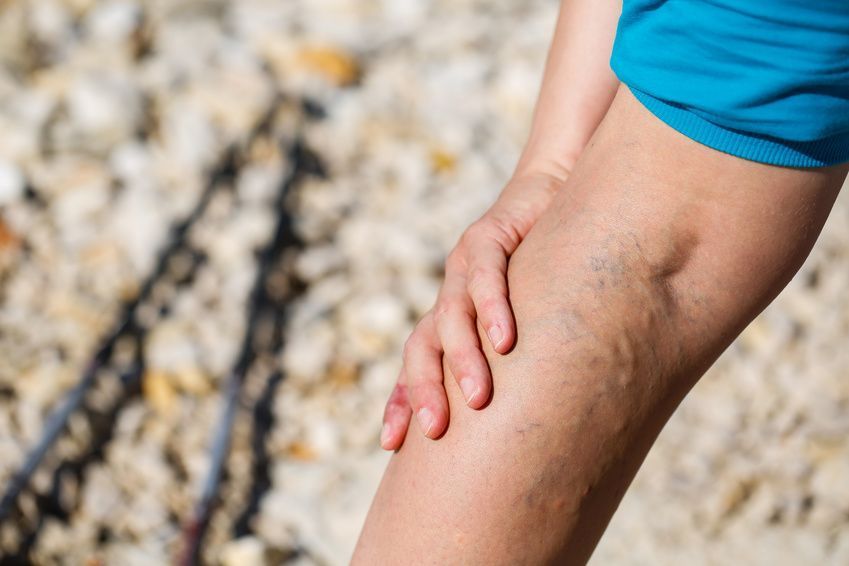
People who suffer from connective tissue weakness are also more prone to:
- bruises
- hernias (e.g., inguinal hernia)
- hemorrhoids
- Disc problems
- Uterine prolapse
Is cellulite a weakness of the connective tissue?
Here, a strict distinction must be made between cellulite (also known as “orange peel skin”) and cellulitis. Cellulite primarily develops in the advanced stages of connective tissue weakness. Small dimples are visible on the thighs and may also appear on the buttocks or abdomen. Cellulite is caused by increased fat storage.
Although some people like to refer to “orange peel skin” as cellulitis, this is not medically correct. Cellulitis, on the other hand, is an extremely painful inflammation of the dermis, subcutaneous connective tissue, and subcutaneous fat tissue, triggered by bacteria.
Why are women affected more often than men?
Medical experts also attribute the weakness of connective tissue to women’s estrogen levels, which is why men are affected far less frequently than women. Perhaps you, too, are among those who try a wide variety of diets. However, crash diets trigger the classic yo-yo effect. Since rapid weight fluctuations place a heavy strain on the connective tissue, stretch marks can develop.
How does weak connective tissue affect blood vessels?
Weak connective tissue also has a negative effect on blood vessels, as it causes the elasticity of the vessel walls to diminish. This leads to the formation of very fine, bluish veins (spider veins), which most commonly appear on the thighs. If connective tissue weakness is left untreated, varicose veins may eventually develop.
What tips and tricks are there for dealing with connective tissue weakness?
Weak connective tissue is primarily a cosmetic problem that isn’t easy to fix. Many people affected by this condition now turn to cosmetic surgery to combat fat deposits, spider veins, and varicose veins. While doctors sclerose the veins, the excess fat is suctioned out.
However, cosmetic surgery carries increased health risks, which is why doctors generally recommend it only for extreme or disease-related fat deposits. With a healthy diet and sufficient exercise, you can counteract weak connective tissue even without surgery.
Here are some tips:
1. Drink plenty of fluids!
Drink at least one and a half to two liters daily. Increased fluid intake helps the tissue appear firmer. Metabolic waste products that unnecessarily burden the body are flushed out more effectively. Opt for herbal tea and still water instead of sugary fruit juices and cola.
2. Make sure to eat a balanced diet!
Cut back on sugar and fat, and fuel your body with vegetables, fruits, and legumes (soybeans, beans, and lentils), which are rich in essential nutrients. Sea buckthorn berries, rose hips, and citrus fruits are rich in vitamin C, which is considered an important building block of connective tissue. Another essential nutrient is the amino acid lysine, found in walnuts, buckwheat, whole-grain rice, and peas. Gluten-free grains (millet, quinoa, and buckwheat) are rich in silica, which is essential for skin elasticity. Meat and dairy products, on the other hand, are known to be acid-forming and can contribute to cellulite.
3. Regular Exercise
Exercise regularly: Physical activity promotes firm connective tissue. A combination of endurance and strength training is ideal for toning both muscles and connective tissue while burning excess fat reserves.
4. Avoid being overweight
Being overweight is harmful to connective tissue. However, don’t subject yourself to drastic diets to avoid the classic yo-yo effect. Frequent weight fluctuations cause stretch marks because they put strain on the connective tissue.
5. Protect your skin from excessive sun exposure
UV radiation damages the elastic fibers of the connective tissue. In the summer, use a high SPF to protect your skin from the sun. As a general rule: the lighter your skin, the higher the SPF should be.
Conclusion on connective tissue weakness
Weak connective tissue is not just a side effect of aging. Poor eating habits and a lack of exercise are the main causes of connective tissue weakness. Gender also plays a role. However, if you exercise regularly, drink plenty of water, and eat a healthy diet, you can strengthen your connective tissue and muscles.
Share this article