News
Carotid Stenosis – When the Carotid Artery Becomes a Threat to the Brain

Sabine Schneider ·
Carotid stenosis is one of the most common vascular diseases in older adults—and it can have life-threatening consequences. The condition is characterized by a narrowing of the carotid artery (arteria carotis), which supplies the brain with oxygen-rich blood. If this blood flow is restricted, there is a risk of reduced blood supply to the brain—with serious consequences, including stroke.
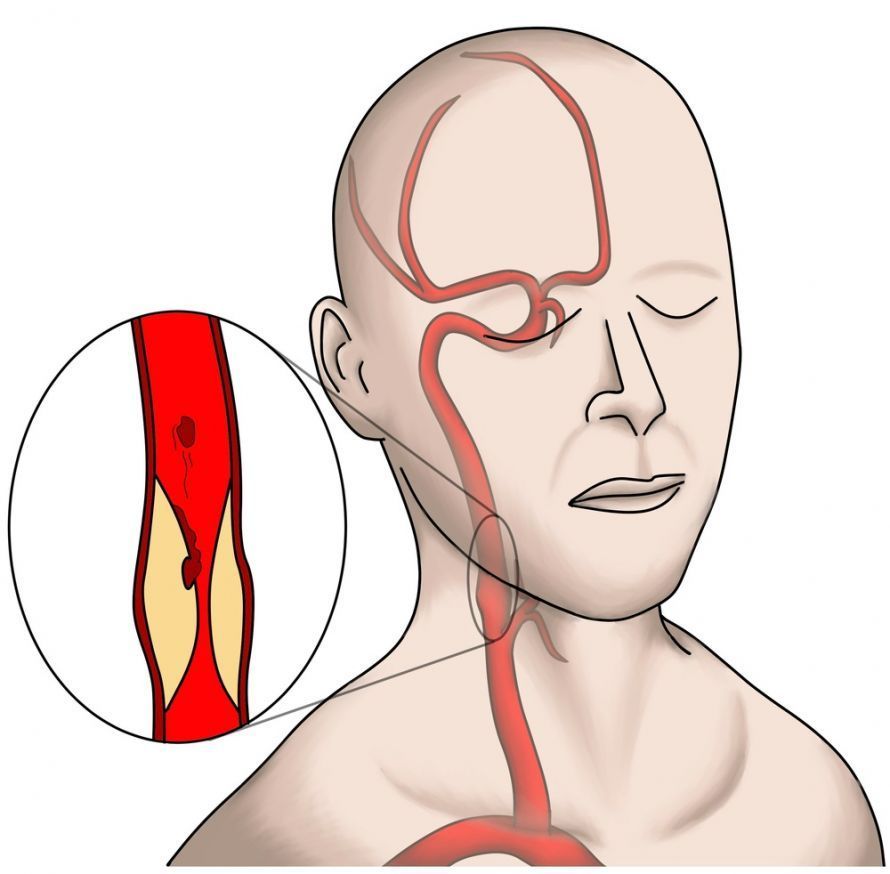
The main cause is atherosclerosis, or the buildup of fats, calcium, and connective tissue in the vessel walls. These so-called plaques cause the artery’s diameter to gradually narrow. The internal and common carotid arteries, which play a central role in supplying blood to the brain, are particularly affected. Risk factors include high blood pressure, smoking, diabetes mellitus, and elevated blood lipid levels. An unhealthy lifestyle can also accelerate the progression of calcification.
Carotid stenosis often remains asymptomatic for years. Early warning signs such as visual disturbances, dizziness, or brief episodes of paralysis are frequently underestimated but can be precursors to a stroke. Doctors therefore recommend that at-risk patients undergo regular examinations. The most important diagnostic method is duplex ultrasound, which can painlessly visualize narrowings in the blood vessels. Imaging techniques such as MRI or CT angiography are used in conjunction with this to determine the exact degree of stenosis.
Treatment for carotid stenosis depends on the severity of the condition and the individual’s risk profile. For asymptomatic patients, medication may be sufficient. The goal is to stabilize blood pressure, blood lipid levels, and blood sugar levels, and to slow the progression of atherosclerosis. In cases of symptomatic or severe narrowing, however, surgery is usually necessary. Two procedures are primarily used: the traditional surgical removal of plaque from the carotid artery (thrombendarterectomy) and stent implantation, in which the vessel is dilated using a minimally invasive technique. Both methods are generally performed under general or local anesthesia and are considered safe, established standard procedures.
In addition to acute treatment, prevention also plays a crucial role. People who reduce risk factors such as smoking, obesity, and physical inactivity can significantly lower their risk of stroke. Regular checkups and consistent adherence to prescribed medications are equally important. This not only ensures proper blood flow to the brain but also improves life expectancy.
Carotid stenosis no longer has to be a matter of fate—provided it is detected and treated in a timely manner. Modern diagnostics, specialized vascular surgery, and a healthy lifestyle are the best ways to reduce the long-term risk of stroke.
Share this article
Verified expertise
Recommended specialists
16 specialists
16 results

Arun Kumarasamy, MBA
Frankfurt am Main




Dr. med. Dipl. oec. med., FESC Michael Lichtenberg
Chief Physician


Dr. med. Konstantinos Verginis
Duisburg


Dr. med. (syr) Amer Jomha
Bad Hersfeld

Dr Thomas Riester
Karlsbad









1 / 2
News
Read next
- News
Scabies: A contagious skin disease that is easily treatable
Oct 26, 2026
Severe itching and minor skin changes should be taken seriously
Read more - News
Heat Rash: What's Behind the Itchy Blisters
Oct 23, 2026
Heat Rash: Heat and Sweat Can Disrupt the Skin's Balance
Read more - News
Enlarged Prostate – When Medication Is Sufficient and When Surgery Is Recommended
Oct 21, 2026
Why Many Men Ignore Urinary Problems for Too Long
Read more