News
A Difficult Step Toward a Better Quality of Life: Hysterectomy

Sabine Schneider ·
For many women, it is one of the most difficult health-related decisions of their lives: having their uterus removed. The procedure marks a permanent end to fertility and is often emotionally charged. But from a medical standpoint, a hysterectomy is frequently the only way to end years of suffering or to overcome life-threatening diseases.
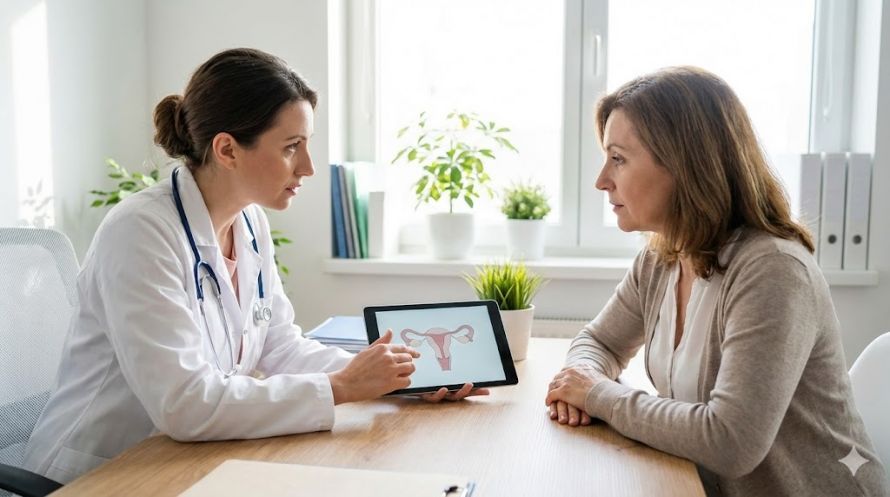
The reasons for a hysterectomy are varied. Often, they involve benign but extremely distressing conditions that torment women for years. These include fibroids (muscle tumors) that cause heavy bleeding and pain, severe endometriosis that cannot be controlled by other means, or chronic pelvic pain. In these cases, surgery is a step toward a pain-free daily life.
The situation is different with malignant diseases. In cases of cervical, uterine, or ovarian cancer, the radical removal of the organ—often along with surrounding tissue and lymph nodes—is usually unavoidable in order to save the patient’s life.
From Open Surgery to Laparoscopic Surgery
In the past, a hysterectomy almost always involved a large abdominal incision and a long recovery period. Today, the situation has changed. Whenever possible, specialized surgeons rely on minimally invasive procedures.
- Vaginal hysterectomy: The uterus is removed through the vagina. No visible external scar remains.
- Laparoscopic hysterectomy (laparoscopy): A camera and instruments are inserted through tiny incisions in the abdominal wall. The uterus is fragmented and removed.
These modern methods are significantly less invasive, cause less postoperative pain, and allow for a quicker return to daily life.
A New Chapter in Life
Removal of the uterus marks the end of menstruation and the ability to conceive and carry a child naturally. If the ovaries are also removed, the woman immediately enters menopause, which may require appropriate hormonal treatment.
Given the significance of this procedure, a thorough consultation with experienced specialists is essential. They will explain the alternatives and work with the patient to select the most appropriate surgical procedure.
Find comprehensive information here about indications, surgical methods, and specialized clinics for hysterectomy.
Share this article
Verified expertise
Recommended specialists
9 specialists
9 results

Ass. Prof. Dr. Resmiye Ermis
Frankfurt am Main


University Hospital, Tubingen
Tuebingen




Prof. Dr. med. Amadeus Hornemann
Frankfurt am Main



Prof. Mag. Dr. med. Andreas Widschwendter
Senior Surgical Gynaecology Consultant Private Practice
Innsbruck

News
Read next
- News
Scabies: A contagious skin disease that is easily treatable
Oct 26, 2026
Severe itching and minor skin changes should be taken seriously
Read more - News
Heat Rash: What's Behind the Itchy Blisters
Oct 23, 2026
Heat Rash: Heat and Sweat Can Disrupt the Skin's Balance
Read more - News
Enlarged Prostate – When Medication Is Sufficient and When Surgery Is Recommended
Oct 21, 2026
Why Many Men Ignore Urinary Problems for Too Long
Read more