News
Living with Skin Cancer: Treatment, Follow-Up Care, and Protection in Everyday Life

Melanie Al Tikriti, BSc ·
Understanding Skin Cancer and Taking Early Action
Skin cancer is a disease in which skin cells multiply uncontrollably. People who have or have had skin cancer face unique challenges. It’s not just about treating the acute disease, but also about preventing recurrences, protecting the skin in everyday life, and long-term follow-up care.
Even though the diagnosis can be unsettling at first, there are many steps that those affected can take to maintain their health and quality of life.
Common forms of skin cancer include basal cell carcinoma, squamous cell carcinoma, and the more dangerous melanoma. Basal cell and squamous cell carcinomas usually grow slowly and are easily treatable, whereas melanoma can spread rapidly and must be taken particularly seriously. Anyone with skin cancer should therefore work closely with their dermatologist to tailor treatment decisions to their individual needs and protect their skin in the long term. 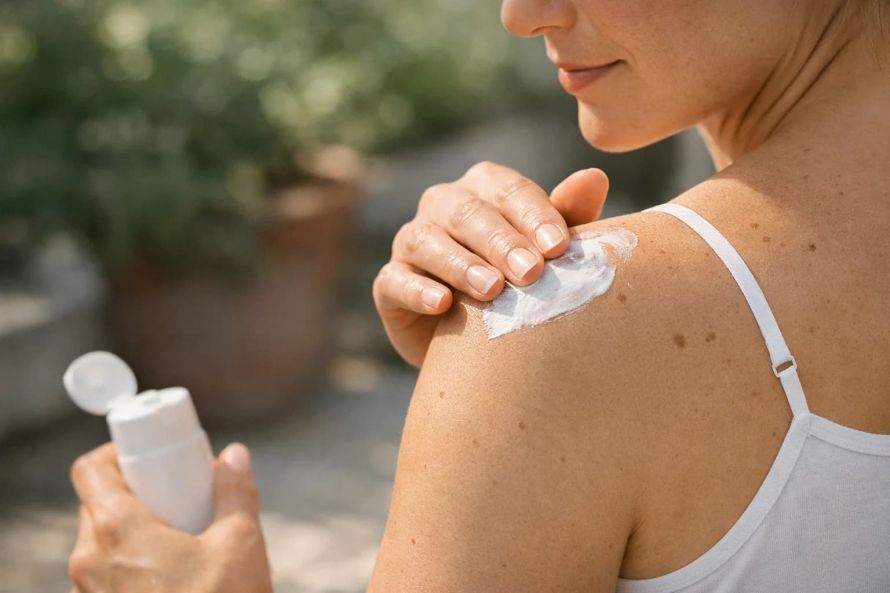
Treatment Options for Skin Cancer
Treatment depends on the type, size, location, and aggressiveness of the tumor.
Typical treatment options include:
Surgical removal: The most commonly used method. The tumor is completely removed, often with a safety margin to prevent recurrence.
Radiation therapy: Used for hard-to-reach areas or for patients who cannot undergo surgery.
Immunotherapy: Used particularly for advanced melanoma to specifically activate the immune system against cancer cells.
Drug therapy: Targeted therapies can inhibit the growth of certain types of tumors.
A combination of these therapies is often used to increase the chances of a cure. Patients should consult regularly with their doctor to minimize side effects and optimize treatment.
Follow-up care: Regular checkups are crucial
Follow-up care is particularly important after treatment. The goal is to detect relapses early and treat new skin changes promptly.
Recommendations include:
Regular skin checkups with a dermatologist: Every 3 to 12 months, depending on the type of tumor and risk profile.
Self-examination of the skin: Monthly, under good lighting, check all moles, scars, and any unusual skin areas.
Photographic documentation: Photos help identify changes over time.
Documentation of symptoms: Report redness, itching, or non-healing wounds to your doctor immediately.
Structured follow-up care can significantly improve the chances of recovery and provide patients with peace of mind in their daily lives.
Skin Protection and Lifestyle
Anyone who has had skin cancer should take special care to protect their skin. Sun exposure is a major risk factor. Broad-spectrum sunscreen with a high SPF should be applied regularly when in the sun. Lightweight, long-sleeved, body-covering clothing protects particularly sensitive areas of the skin.
Midday sun should be avoided, and shaded areas should be sought out. Moisturizing creams support skin regeneration.
A healthy lifestyle also contributes to healing and prevention. A balanced diet, adequate sleep, regular exercise, and stress reduction strengthen the immune system and promote overall health.
Recognizing Warning Signs of Relapses
Those affected should closely monitor their skin.
Important signs of possible relapses include:
- New or changed moles
- Small lumps or growths on the skin
- Open sores that do not heal
- Redness, itching, or bleeding at old scars
- Changes in skin texture or color
Taking prompt action when noticing unusual changes can be crucial for treating a relapse early and preventing complications.
Mental Health Support and Quality of Life
Skin cancer can also take a psychological toll. Fear of recurrence or scarring can limit daily life. It is important to:
Open communication with doctors: Ask questions and express your concerns
Support groups: Connecting with people in similar situations can provide support.
Psychological counseling: Support for managing anxiety, coping with stress, and dealing with the illness.
Positive routines: Exercise, hobbies, and social interactions promote a zest for life and well-being.
Conclusion: Keeping skin cancer under control and preventing recurrences
People with skin cancer can increase their chances of recovery and prevent relapses with the right treatment, careful follow-up care, and consistent skin protection. Paying attention to changes, regular checkups, a healthy lifestyle, and emotional support are crucial.
Taking action early pays off—it keeps your skin protected and maintains your quality of life.
Share this article
Verified expertise
Recommended specialists
8 specialists
8 results



Dr Wilfried Stücker
Cologne




Prof. Dr. Detlev Uhlenbrock
Dortmund


Prof. Dr. med. Robert Krämer
Gelsenkirchen


News
Read next
- News
Heat Rash: What's Behind the Itchy Blisters
Oct 23, 2026
Heat Rash: Heat and Sweat Can Disrupt the Skin's Balance
Read more - News
Enlarged Prostate – When Medication Is Sufficient and When Surgery Is Recommended
Oct 21, 2026
Why Many Men Ignore Urinary Problems for Too Long
Read more - News
Daraxonrasib as a treatment for metastatic pancreatic cancer
Oct 21, 2026
Daraxonrasib: Survival time almost doubled in the study
Read more