Pleural carcinomatosis is usually caused by metastases from a malignant tumor in the pleura. It often occurs in advanced stages of cancer, such as breast cancer or lung cancer. Typical symptoms include shortness of breath, coughing, and a pleural effusion with fluid accumulation in the chest cavity.
The spread of tumor cells and cancer cells into the pleura can significantly impair quality of life. Diagnostic procedures include tissue sampling, biopsy, X-ray examination, and ultrasound examination. Treatment depends on the type of the original tumor and the extent of pleural involvement. Treatment approaches for pleural carcinomatosis with malignant pleural effusion include pleurodesis, chest drainage, chemotherapy, and surgical interventions.
What is pleural carcinomatosis?
Pleural tumors (tumors of the pleura) are growths on the pleura. The pleura consists of the parietal pleura, the costal pleura, and the visceral pleura. It protects the lungs and enables breathing.
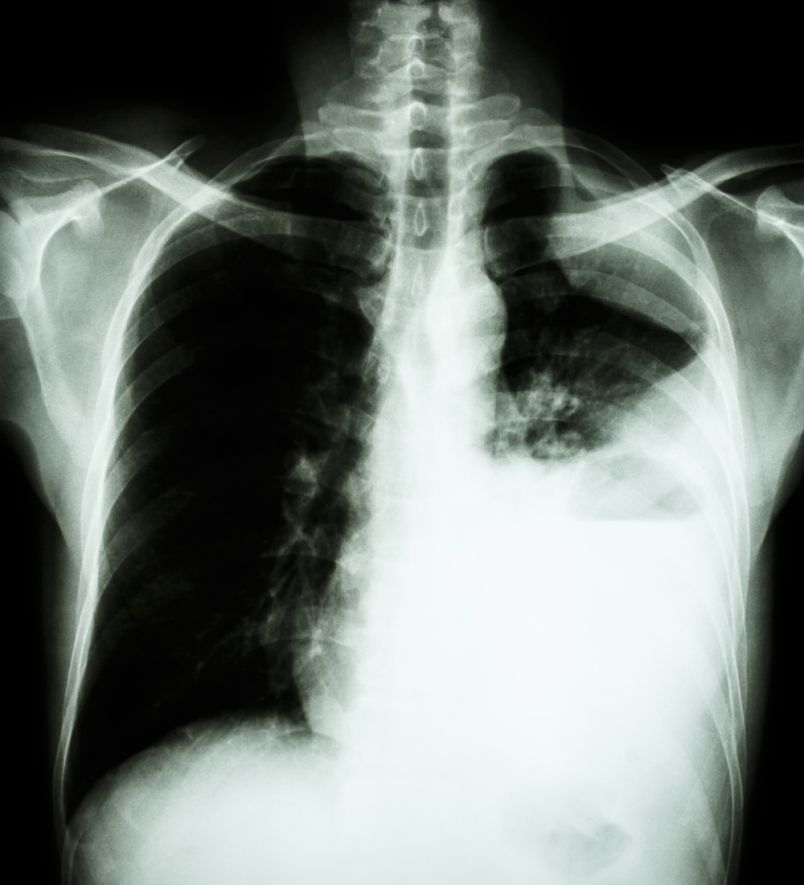 In pleural carcinomatosis, the pleura is affected by metastases as part of a cancerous disease @ stockdevil /AdobeStock
Causes and Types of Pleural Carcinomatosis
Primary pleural tumors arise directly in the pleura and are extremely rare. About three percent of all pleural tumors are primary, with 80 percent originating in the pulmonary pleura and 20 percent in the costal pleura. These tumors are often associated with asbestos exposure.
In contrast, secondary pleural tumors develop as a result of the spread of cancer cells (metastasis) from other cancers. In particular, lung cancer or breast cancer. Experts also refer to these secondary pleural tumors as pleural carcinomas. They account for about 97 percent of all pleural tumors.
Symptoms of pleural carcinomatosis
Pleural tumors often remain “silent,” meaning that more than half of those affected show no symptoms.
If symptoms do occur, they may include the following:
- Chest pain
- Shortness of breath
- Chronic cough
- Symptoms of advanced-stage cancer include:
- Fatigue
- Exhaustion
- Reduced performance
- Loss of appetite
- Unintentional weight loss
A common complication of pleural carcinomatosis is pleural effusion, which further impairs breathing and can cause severe shortness of breath. Malignant pleural effusion indicates an already advanced tumor disease or pleural carcinomatosis.
Diagnosis of pleural carcinomatosis
The diagnosis is made through clinical examinations and various imaging techniques such as:
- Ultrasound
- X-ray
- Magnetic resonance imaging (MRI) or
- Computed tomography (CT)
A tissue sample (biopsy) is ultimately crucial for distinguishing between benign and malignant tumors of the pleura. It is also essential for better characterizing malignant pleural carcinomas before starting treatment. Such a tissue sample is obtained during a thoracoscopy.
Since classic pleural carcinomas are usually metastases from other tumors, doctors must first locate and examine the primary tumor. Primary tumors are most commonly found in the breast, lung, or skin.
Treatment of Pleural Carcinomatosis
The treatment of pleural tumors requires interdisciplinary collaboration among various groups of specialists:
They all work together as specialists in pleural carcinomatosis to develop individualized treatment plans for each patient. In most cases, doctors must surgically remove pleural carcinomatosis. Regular follow-up care is essential afterward to detect relapses (recurrences) at an early stage.
The surgical options include partial or total pleurectomy. This means that doctors remove part or all of the pleura. The partial or complete removal of the pleura ultimately alleviates the patients’ shortness of breath (dyspnea).
Prognosis for Pleural Carcinomatosis
The prognosis for pleural tumors varies widely, as it depends on the nature of the tumor and the underlying condition.
If a malignant pleural effusion is already present, palliative therapies are usually the only option. A cure is no longer possible due to the advanced stage of the disease.
One treatment option in such cases is, for example, drainage of the pleural effusion. This allows the fluid to drain, making breathing easier for the patient.
Preventing pleural carcinomatosis
There are no specific measures to prevent pleural carcinomatosis. However, avoiding risk factors such as smoking is important for reducing the overall risk of cancer.
Early detection of pleural carcinomatosis involves paying close attention to persistent cough or chest pain. In such cases, you should see a doctor.
Conclusion
Pleural carcinomatosis is a complex disease that requires careful and early diagnosis. Depending on the stage of the disease, individually tailored treatment or palliative care may be necessary.
FAQ
What is pleural carcinomatosis?
Pleural carcinomatosis refers to metastases of a malignant tumor in the pleura. It is often caused by breast cancer, lung cancer, or other types of cancer. The spread of cancer cells in the pleura often leads to a malignant pleural effusion.
What symptoms does pleural carcinomatosis cause?
Typical symptoms of pleural carcinomatosis include shortness of breath, difficulty breathing, coughing, and chest pain. Fluid accumulation in the pleural space can lead to a pleural effusion. Symptoms such as shortness of breath are particularly common in advanced stages.
How is pleural carcinomatosis diagnosed?
Diagnosis of pleural carcinomatosis involves imaging studies such as X-rays, ultrasound, and CT scans. In addition, a tissue sample, pleural tap, or biopsy is often performed. This allows for a more precise determination of the extent of pleural involvement and the type of tumor cell.
What treatments are available for pleural carcinomatosis?
Treatment for pleural carcinomatosis depends on the primary tumor, the extent of the disease, and the patient’s overall condition. Treatment approaches for pleural carcinomatosis with malignant pleural effusion include chemotherapy, pleurodesis, chest drainage, and surgical interventions. Minimally invasive procedures can also help improve quality of life.
What is the prognosis for pleural carcinomatosis?
Pleural carcinomatosis generally has a poor prognosis, as it usually occurs in advanced stages of cancer. The type of the original tumor, the tumor’s growth, and the spread of metastases are decisive factors. However, modern treatment approaches can alleviate symptoms and improve quality of life.
Share this article

Sources
Ried M & Hofmann H-S. Behandlungskonzepte der Pleurakarzinose mit malignem Pleuraerguss. Dtsch Arztebl Int 2013; 110(18): 313-318 [Link: https://www.aerzteblatt.de/archiv/behandlungskonzepte-der-pleurakarzinose-mit-malignem-pleuraerguss-1e2b38c8-9a01-46ce-8718-611ce2ad723c
https://signon.springer.com:443/login?ipcheck=true&locale=de>m=GTM-MXV5LX&service=https%3A%2F%2Fwww.springermedizin.de%2Fcallback%3Fclient_name%3DSsoClientGatewayhttps%3A%2F%2Fwww.springermedizin.de&gateway=true
https://www.usz.ch/krankheit/pleuratumoren/