News
Pulmonary Embolism: When a Blood Clot Becomes a Threat

Melanie Al Tikriti, BSc ·
Sudden shortness of breath, sharp chest pain, or a rapid heartbeat can be signs of a pulmonary embolism. This is a medical emergency that requires immediate treatment. It is usually caused by a blood clot that blocks a blood vessel in the lung, thereby impairing the body’s oxygen supply.
Depending on the size of the blocked vessel, symptoms can vary in severity. While small pulmonary embolisms sometimes cause only mild symptoms, larger blockages can become life-threatening within a short time. This makes it all the more important to recognize warning signs early and not to waste any time in an emergency.
How a Blood Clot Reaches the Lungs
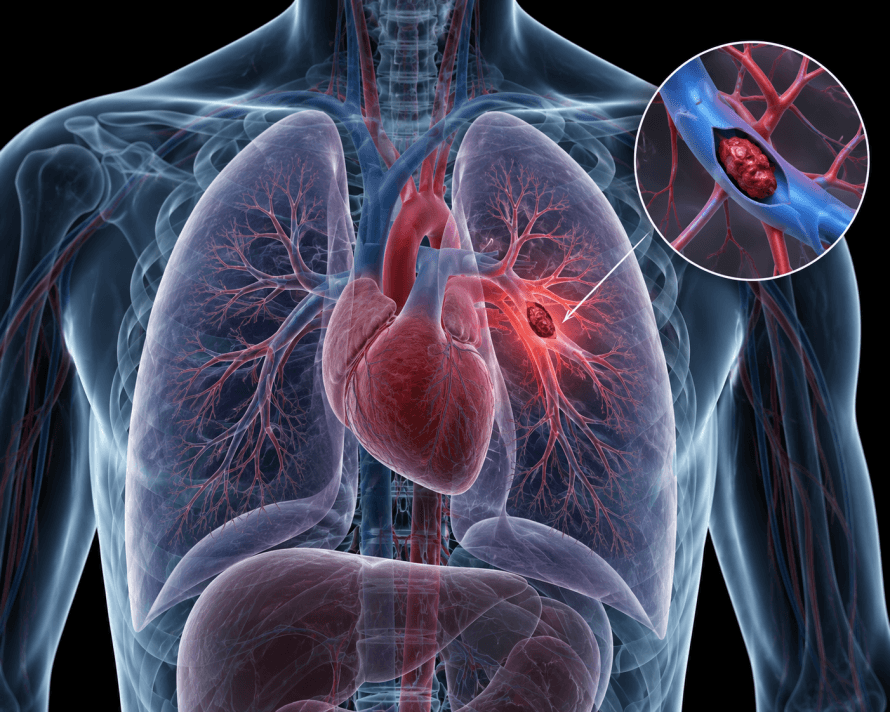
In most cases, the blood clot first forms in a deep vein of the leg or pelvis. If a piece of this clot breaks off, it is carried by the bloodstream through the heart and into the lungs. There, it becomes lodged in a pulmonary vessel and blocks blood flow.
As a result, the blood can no longer be adequately oxygenated. At the same time, the heart has to work much harder to pump blood through the narrowed vessels. The larger the clot, the greater the strain on the body.
Certain factors increase the risk
A pulmonary embolism usually does not occur without a cause. Various risk factors contribute to the formation of blood clots.
These include, among others:
- prolonged bed rest
- surgery
- bone fractures
- long flights or car trips
- Cancer
- Pregnancy and the postpartum period
- Smoking
- hormonal contraceptives
- Congenital coagulation disorders
People who have previously had a thrombosis or pulmonary embolism are also at increased risk of recurrence.
Symptoms can vary widely
Not every pulmonary embolism progresses the same way. Some people develop severe symptoms within a few minutes, while others initially notice only mild symptoms.
Typical signs include:
- sudden shortness of breath
- sharp chest pain
- rapid heartbeat
- cough
- bloody sputum
- Dizziness
- severe weakness
- Fainting
These symptoms often worsen with physical exertion or deep breathing. If one or more of these symptoms occur suddenly, call emergency services immediately.
Pulmonary embolism is often preceded by a thrombosis
Many pulmonary embolisms result from deep vein thrombosis, in which a blood clot forms in a vein of the leg or pelvis.
Possible warning signs of a thrombosis include:
- Swelling in a leg
- A feeling of tightness
- Pain in the calf
- Overheating
- Red or bluish skin
Anyone who notices these symptoms should have them checked by a doctor. A thrombosis detected early can be treated before the clot breaks loose and travels to the lungs.
How the diagnosis is made
If a pulmonary embolism is suspected, prompt action is required. First, blood pressure, oxygen saturation, heart rate, and breathing are monitored.
In addition, blood tests can provide evidence of an embolism. However, imaging tests are crucial for the diagnosis. A CT scan with contrast dye is often performed to visualize blocked pulmonary vessels. Ultrasound examinations of the leg veins or a cardiac ultrasound may also be necessary.
Treatment Options
Treatment usually begins as soon as a pulmonary embolism is suspected. Blood-thinning medications prevent the clot from growing further and stop new blood clots from forming. For larger embolisms, medications that dissolve the blood clot may be used. In particularly severe cases, the clot is removed using a catheter or through surgery.
After acute treatment, many patients must continue taking blood-thinning medications for several months to prevent recurrent embolisms.
How to Reduce the Risk
Not every pulmonary embolism can be prevented. However, your personal risk can be significantly reduced by taking certain measures.
These include:
- regular exercise
- Avoiding prolonged sitting whenever possible
- drinking enough fluids
- Wearing compression stockings if at increased risk
- Getting up and moving around early after surgery
- Take prescribed blood thinners as directed
- Avoid smoking
Especially after surgery or long trips, it’s important to watch for the first signs of a blood clot.
Conclusion: Acting quickly can save lives.
A pulmonary embolism is a medical emergency and should never be underestimated. Sudden shortness of breath or chest pain requires immediate medical evaluation. Thanks to modern diagnostic and treatment options, the condition can now be successfully treated in many cases—provided it is detected in time.
Share this article
Verified expertise
Recommended specialists
10 specialists
10 results

Dr. med. Patrick Müller
Recklinghausen









Professor Frank Breuckmann
Kitzingen


News
Read next
- News
Enlarged Prostate – When Medication Is Sufficient and When Surgery Is Recommended
Oct 21, 2026
Why Many Men Ignore Urinary Problems for Too Long
Read more - News
Daraxonrasib as a treatment for metastatic pancreatic cancer
Oct 21, 2026
Daraxonrasib: Survival time almost doubled in the study
Read more - News
Fall prevention in older people: what exercises can achieve
Oct 21, 2026
Fall prevention in older people: what the Cochrane review shows
Read more