The goal is to restore muscle strength, sensation, and motor function when nerve fibers have been damaged following a lesion, defect, or injury to the brachial plexus. Surgical treatment includes techniques such as exploration, removal of the neuroma, bypassing damaged nerves, or reconstruction via nerve transfers.
Neurosurgical methods and state-of-the-art electrophysiology are also incorporated to restore the function of the affected nerves as effectively as possible. This form of nerve surgery is essential, as untreated nerve injuries can lead to irreversible damage, muscle atrophy, and permanent functional deficits in the long term.
Plexus surgery therefore aims to operate on damaged nerves as early as possible, support their regeneration, and restore the natural connection between nerve and muscle.
Plexus and Surgery – Fundamentals of Plexus Surgery
Plexus surgery deals with the treatment of injuries to the brachial plexus, a complex network of nerves that supplies the upper extremity. If this plexus is damaged by trauma, a strain injury, or a lesion, it can result in motor deficits, loss of sensation, or complete paralysis. Surgical management therefore involves microsurgical reconstruction, exploration, and surgical repair of damaged nerve fibers. Early surgical intervention is crucial, as peripheral nerves regenerate at a rate of only a few millimeters per day, and long-term deficits must be prevented.
The fundamentals include a precise analysis of the injury, electrophysiological diagnostics, and an assessment of whether reconstruction or a nerve transfer is necessary. In many cases, damaged tissue—such as a neuroma—must first be removed before a bypass can be performed using nerve grafts. In this process, autologous nerves are often harvested from less critical areas to restore function in the region of the brachial plexus. Plastic surgery plays a major role here, as it provides reconstructive techniques based on anatomical precision and highly delicate microsurgery.
Neurosurgery is also involved, particularly when the injury is located close to the spinal cord or when there is a combination of central and peripheral damage. In specialized centers, surgical treatment is planned on an interdisciplinary basis to achieve the best possible functional outcome. The goal is always to enable the restoration of natural movement patterns and muscle function. In cases of complex plexus injuries, a combination of reconstruction, nerve transfers, and secondary muscle transpositions may be necessary.
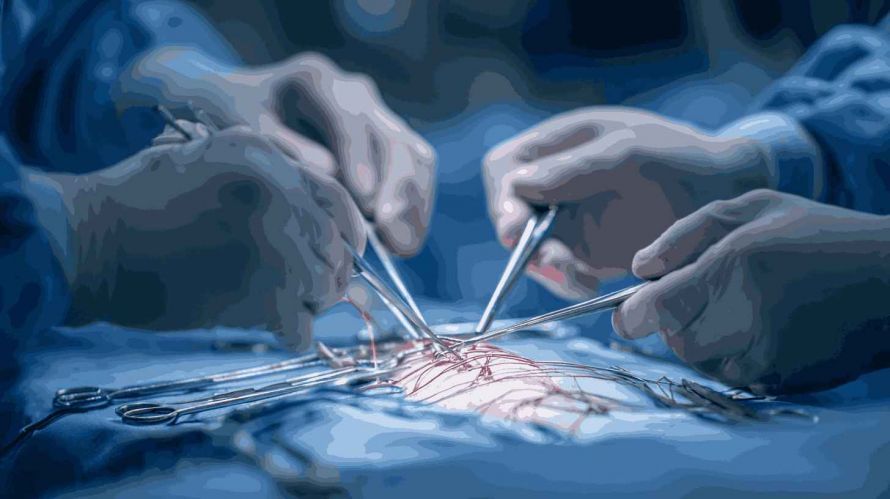
Microsurgical reconstruction of peripheral nerves in the brachial plexus region—a typical surgical scenario in plastic and peripheral nerve surgery.
Peripheral Nerve Surgery – Scope and Possibilities
Peripheral nerve and plexus surgery encompasses the surgical treatment of damage to nerves in the upper extremity, the shoulder girdle, and the hand. This includes acute lesions following accidents, damage resulting from injury to the brachial plexus, or chronic compression syndromes. In nerve surgery, the first step is to determine whether the injury is an axonotmesis, neurotmesis, or partial damage. Depending on the findings, surgical repair, nerve repositioning, or nerve transfer is performed.
With the help of microsurgery, even the finest nerve fibers can be reconstructed. During this procedure, the damaged nerve is anatomically realigned so that regenerating nerve fibers can find their way back to the muscle. Electrophysiology helps to assess conductivity and identify functional deficits. Other common surgical techniques include the removal of neuromas and the bridging of long defects with grafts.
Many patients come to the Clinic for Plastic Surgery when paralysis, numbness, or functional deficits persist despite conservative treatment. In these cases, surgical treatment can lead to a significant improvement in quality of life. Complex procedures are necessary, particularly for severe lesions, in which healthy nerves from the lower or upper extremities are rerouted. Modern surgical techniques often enable significantly better regeneration than in the past.
Plastic Surgery in Nerve Reconstruction
Plastic surgery plays a central role in the reconstruction of peripheral nerves. Many of the reconstructive procedures for brachial plexus injuries are based on microsurgical techniques that were developed and further refined in plastic and aesthetic surgery. These include nerve transfers, bypasses using autologous grafts, or the reconstruction of large defects following injuries. The goal is to restore nerve function so that muscle strength, sensation, and mobility can return.
In cases of complex injuries, surgical strategies are combined: reconstruction of damaged nerves, functional muscle transfers, and secondary procedures to optimize mobility. In some cases, it is necessary to reroute healthy nerves close to muscles to restore important basic functions. Techniques such as the contralateral C7 transfer are used to replace lost functions. Plastic surgery relies on stable, anatomically precise surgical techniques to ensure long-term results.
Another area of focus is the treatment of chronic pain that can occur following nerve injuries. Significant pain relief can often be achieved through the removal of the neuroma and appropriate reconstructive measures. Peripheral nerve surgery works closely with hand surgery, as many injuries affect not only nerves but also tendons, muscles, and blood vessels. This enables comprehensive restoration of upper extremity function.
Department of Plastic Surgery – Specialized Care for Plexus Injuries
Specialized clinics for plastic surgery work closely with neurosurgery, hand surgery, and trauma medicine to provide optimal treatment for complex plexus injuries. This interdisciplinary care is necessary because injuries to the brachial plexus are often accompanied by vascular damage, muscle injuries, or associated injuries to the upper extremity. Such centers are equipped with microscopes, electrophysiological diagnostic tools, and state-of-the-art surgical techniques. This enables even severe lesions to be reconstructed.
At the clinic, thorough examinations are first conducted: electrophysiology, ultrasound, MRI, and clinical tests to assess functional deficits in the affected nerves. Subsequently, a personalized treatment plan is developed, which may include surgical reconstruction, nerve transfers, or secondary procedures. The surgical procedures require microsurgical precision and experience, as each nerve and each nerve fiber must be precisely aligned. The sooner surgery is performed, the better the chances of successful regeneration.
Intensive follow-up care is necessary after the procedures. Physical therapy, electrical stimulation, and targeted exercise therapy support the regeneration of nerve fibers. The Department of Plastic Surgery supports patients over several months or years, as complete nerve regeneration takes a long time. This long-term care ensures that functional improvements remain stable and that muscles are adequately innervated.
Plastic Surgery & Hand Surgery – Restoring Function in the Upper Extremity
Hand surgery plays a crucial role in the treatment of plexus injuries and peripheral nerve damage. Since the hand, forearm, and shoulder are closely interconnected, many procedures must be planned in collaboration with specialists in plastic surgery. The nerves, muscles, tendons, and blood vessels of the upper extremity are functionally interdependent, which is why precise reconstruction is necessary. The goal is always to restore grasping, holding, and fine motor skills.
Nerve transfers are frequently performed, in which healthy nerves are rerouted to take over functions lost due to a lesion. Hand surgery also utilizes tendon transfers to improve movement when certain muscles no longer receive reinnervation. The combination of these techniques often yields functional outcomes that would not be possible without surgical intervention. Through microsurgical precision, damaged areas are reconstructed and functional deficits are minimized.
Intensive rehabilitation follows the surgery, with a focus on restoring sensory and motor control of the hand. Collaboration between plastic surgery, hand surgery, and physical therapy is essential for long-term success. After consistent therapy, many patients achieve a high degree of functional independence and resilience in the affected limb.
Department of Plastic Surgery: Interdisciplinary Treatment of Complex Nerve Injuries
Interdisciplinary treatment is essential for complex nerve injuries. The Department of Plastic Surgery works closely with neurosurgery, peripheral nerve and plexus surgery, and trauma centers. This network is particularly crucial in cases of severe plexus injuries, lesions resulting from traffic accidents, or complete loss of function. This allows for the development of surgical strategies that combine reconstruction, nerve transfer, and secondary procedures.
Specialized centers are equipped with microscopes, high-resolution imaging, and electrophysiological methods to analyze the damaged nerves. If necessary, exploration is performed, the neuroma is removed, or long defects are bridged. Rare procedures such as reconstruction via contralateral C7 transfer or complex nerve transpositions are also performed here. These techniques make it possible to specifically restore lost functions.
Following surgical treatment, a rehabilitation plan is developed that is individually tailored to the nerve lesion and the affected muscles. Nerve regeneration takes time, which is why long-term follow-up is important. Sometimes, functional limitations must be further optimized through muscle transfers or secondary procedures. The goal always remains to regain as much natural mobility, sensation, and strength as possible.
FAQ
How do plexus injuries occur, and what symptoms typically arise?
Plexus injuries often result from a strong impact—such as in traffic accidents or falls—and affect the brachial plexus. In such cases, peripheral nerves can be overstretched, torn, or torn away from the spine. Those affected often immediately experience paralysis or numbness in the arm. In severe cases, pain or complete loss of function may also occur, which is why early evaluation by a nerve and plexus surgeon is important.
When is surgical intervention necessary in plexus surgery?
Surgery is necessary if the nerve does not regenerate spontaneously or if there is a complete tear. Depending on the findings, the surgical team will determine whether nerve reconstruction, nerve transfer, or a nerve bypass is required. Surgery must be performed early, especially in cases of neurotmesis or severe lesions—ideally within the first few months. Surgical treatment improves the chances of restoring function and sensation to the affected limb.
What role does plastic surgery play in the treatment of peripheral nerves?
Plastic surgery plays a central role, as it employs microsurgical techniques to precisely reconstruct injured nerve fibers. Specialized plastic surgery clinics often collaborate in an interdisciplinary manner with neurosurgery and hand surgery departments. This allows for optimal treatment of complex plexus injuries, defects, or neuromas. The goal is to restore lost functions—such as movement or muscle strength—through nerve reconstruction or transfers.
How long does recovery take after plexus surgery?
Regeneration of peripheral nerves is a slow process, as nerve fibers regrow only a few millimeters per day. Depending on the extent of the injury, functional recovery can take months to years. Early rehabilitation with targeted exercises and electrical stimulation supports regeneration. The course of recovery varies from person to person, but specialized peripheral nerve and plexus surgery increases the chances of achieving the most complete recovery possible.

About the medical author
Sabine Schneider
Editor-in-Chief
Sabine Schneider – medical author: Explore expert articles and medical expertise in the Leading Medicine Guide.
More about the medical author →