
Prof. Andreas Gruber
Specialist for Spinal Surgery, Neurosurgery, Pediatric Neurosurgery in Linz
Kepler University Hospital, University Neurocurgery Clinic· Wagner-Jauregg-Weg 15, 4020 Linz
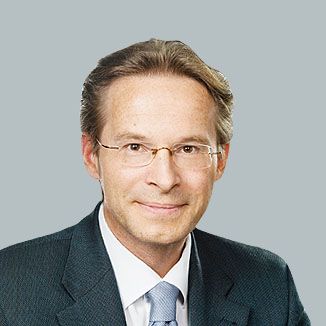
Prof. Gruber has an excellent reputation as a highly specialized neurosurgeon for surgeries on the brain as well as on the spine. He is also considered to be exactly the right specialist when it comes to treating children, where he uses state-of-the-art equipment and innovative methods. In teaching, he passes on his comprehensive expertise to the next generation.
Areas of focus
- Spinal Surgery
- Tumor surgery
- Vascular surgery
- Surgery for epilepsy
- Pediatric neurosurgery
- Radiosurgery
- Functional neurosurgery
About Prof. Andreas Gruber
The Head of the University Department of Neurosurgery at the Kepler University Hospital is Prof. Andreas Gruber, specialist in neurosurgery and intensive care. At the same time, Prof. Gruber is also the tenured Professor of Neurosurgery at the medical faculty. He can look back on a variety of traineeships at prestigious university hospitals in England and the United States and, prior to his appointment at the Kepler University Hospital, he was employed as a Consultant at the Medical University of Vienna.
The scientific and clinical emphases of Prof. Gruber are cerebrovascular and endovascular neurosurgery and neurosurgical intensive care. Under his responsibility, the neurosurgical team performs around 2600 procedures annually in five operating theaters. Procedures of this type are extremely difficult and, together with high-tech equipment, require specialists with enormous experience in their field.
The Department of Neurosurgery treats conditions and disorders of the central nervous system and the peripheral nerves surgically. The most sensitive nerve pathways of the human central nervous system are found in the brain, above all, and run through the spinal cord in the spinal column. Due to the close interweaving of the nerves with bones, muscles and blood vessels, stabilization procedures on the spinal column, intervertebral disc surgery and reconstructive surgery to the bones of the cranium, for example, come within the sphere of neurosurgery.
The conditions frequently treated at the Department of Neurosurgery in Linz include epilepsy conditions, tumors and vascular conditions. Another particular focus is pediatric neurosurgery. The specialists in this field are particularly concerned with the diagnosis and treatment of neurological conditions in children.
The specialist neurosurgeons in Linz under Prof. Gruber work not only in the operating theater with state-of-the-art equipment. Researchers at the Department of Neurosurgery are involved in the development of a three-dimensional training simulation for the surgical treatment of cerebral aneurysms. With the aid of this simulation, this very difficult procedure can be tested on a computer using real surgical instruments. Here, the simulation also returns haptic feedback in order to make the training as realistic as possible. With the aid of this technique, the specialists are able better to prepare themselves for the actual procedure.
The scientific and clinical emphases of Prof. Gruber are cerebrovascular and endovascular neurosurgery and neurosurgical intensive care. Under his responsibility, the neurosurgical team performs around 2600 procedures annually in five operating theaters. Procedures of this type are extremely difficult and, together with high-tech equipment, require specialists with enormous experience in their field.
The Department of Neurosurgery treats conditions and disorders of the central nervous system and the peripheral nerves surgically. The most sensitive nerve pathways of the human central nervous system are found in the brain, above all, and run through the spinal cord in the spinal column. Due to the close interweaving of the nerves with bones, muscles and blood vessels, stabilization procedures on the spinal column, intervertebral disc surgery and reconstructive surgery to the bones of the cranium, for example, come within the sphere of neurosurgery.
The conditions frequently treated at the Department of Neurosurgery in Linz include epilepsy conditions, tumors and vascular conditions. Another particular focus is pediatric neurosurgery. The specialists in this field are particularly concerned with the diagnosis and treatment of neurological conditions in children.
The specialist neurosurgeons in Linz under Prof. Gruber work not only in the operating theater with state-of-the-art equipment. Researchers at the Department of Neurosurgery are involved in the development of a three-dimensional training simulation for the surgical treatment of cerebral aneurysms. With the aid of this simulation, this very difficult procedure can be tested on a computer using real surgical instruments. Here, the simulation also returns haptic feedback in order to make the training as realistic as possible. With the aid of this technique, the specialists are able better to prepare themselves for the actual procedure.
Special offers / services / rooms
The following hotels are in the vicinity:
- Marriot Courtyard, Europaplatz 2; 4020 Linz; +43-732-69590
- Prielmayrhof, Weissenwolfstrasse 33, 4020 Linz [email protected]
Therapeutic services
Spinal surgery:
- Ventral and dorsal stabilization surgery in the cervical, thoracic and lumbar area
- Neuronavigation-guided stabilization surgery
- Endoscopic intervertebral disc surgery
- Balloon kyphoplasty
- Augmentation
Tumor surgery:
- Neuronavigation-guided surgery for cerebral tumors
- Conventional surgery for cerebral and spinal tumors
Vascular surgery:
- Clipping of cerebral aneurysms, surgery for AV malformation
- Carotid artery disobliteration
- Extra-intracranial micro-anastomosis
Surgery for epilepsy:
- Selective amygdalo-hippocampectomy
- Lesion surgery
- Subpial dissection
- Vagal nerve stimulator implantation
Endoscopy:
- Endoscopic tumor excision, biopsy, endoscopic IIIrd ventriculostomy
- Trans-sphenoidal pituitary surgery
Pediatric neurosurgery:
- Surgery for congenital malformations
- Shunt surgery
- Endoscopic procedures
Radiosurgery:
- Stereotactic convergence irradiation of benign and malignant tumors using linear accelerator, treatment of AV malformations
Functional neurosurgery:
- Stimulator implantation for Parkinson’s disease, essential tremor
Pain therapy:
- Implantation of a posterior funiculus stimulator
- Implantation of medication reservoir systems
- Bladder pacemaker implantation
Cranioplasty:
- Plastisch rekonstruktive Chirurgie am Schädelknochen
Surgery to the peripheral nerves
Additional services
- Surgery to the peripheral nerves
Expert interviews
Insights
Insights: Kepler University Hospital, University Neurocurgery Clinic
Kepler University Hospital, University Neurocurgery Clinic – Image 1
Location
How to reach Prof. Andreas Gruber

Kepler University Hospital, University Neurocurgery Clinic
Wagner-Jauregg-Weg 154020 LinzAustria
Specialisation
The medical spectrum of Prof. Andreas Gruber
Diseases
- Craniosynostosis (opens in a new tab)
- Neurofibromatosis (opens in a new tab)
- Cranial malformation (opens in a new tab)
- Spina bifida (opens in a new tab)
- Tethered Cord Syndrome (opens in a new tab)
- Brain hemorrhage (opens in a new tab)
- Cerebrovascular Diseases (opens in a new tab)
- Neurovascular Diseases (opens in a new tab)
- Subarachnoid hemorrhage (opens in a new tab)
- Herniated Disc (opens in a new tab)
- Herniated disc in the cervical spine (opens in a new tab)
- Kyphosis (opens in a new tab)
- Osteochondrosis (opens in a new tab)
- Spinal Canal Disorders (opens in a new tab)
- Spinal Canal Stenosis (Spinal Canal Narrowing) (opens in a new tab)
- Spondylodiscitis (inflammation of the intervertebral discs and vertebrae) (opens in a new tab)
- Spondylolisthesis (Spinal Slippage) (opens in a new tab)
- Spondylosis (arthrosis of the vertebral joints) (opens in a new tab)
- Spinal Disorders (opens in a new tab)
- Cauda equina syndrome (opens in a new tab)
- Dystonia (opens in a new tab)
- Epilepsy (opens in a new tab)
- Epilepsy in Children (opens in a new tab)
- Hydrocephalus (opens in a new tab)
- Paralysis (opens in a new tab)
- Meralgia Paresthetica (opens in a new tab)
- Supinator loge syndrome (opens in a new tab)
- Thoracic Outlet Syndrome (opens in a new tab)
- Trigeminal Neuralgia (opens in a new tab)
- Angioma (opens in a new tab)
- Astrocytoma (opens in a new tab)
- Glioblastoma (opens in a new tab)
- Glioma (opens in a new tab)
- Brain metastases (opens in a new tab)
- Brain Tumors in Children (opens in a new tab)
- Pituitary adenoma (pituitary tumor) (opens in a new tab)
- Cavernomas (opens in a new tab)
- Medulloblastoma (opens in a new tab)
- Meningioma (opens in a new tab)
- Nerve Cancer (opens in a new tab)
- Neuroblastoma in Children (opens in a new tab)
- Oligodendroglioma (opens in a new tab)
- Spinal cord tumor (opens in a new tab)
- Skull base tumor (opens in a new tab)
- Spinal Tumor (opens in a new tab)
- Spinal Cancer in Children (opens in a new tab)
- Brain Injury (Traumatic Brain Injury) (opens in a new tab)
- Spinal Cord Injury (opens in a new tab)
- Vertebral Fracture (opens in a new tab)
- Cerebral arteriovenous malformation (opens in a new tab)
- Brain aneurysm (opens in a new tab)
- Lower Back Pain (opens in a new tab)
- Acromegaly (opens in a new tab)
- Hyperprolactinemia (opens in a new tab)
- Pituitary insufficiency (opens in a new tab)
- Post-Traumatic Kyphosis (opens in a new tab)
- Degenerative Disc Disease (opens in a new tab)
- Spinal Instability (opens in a new tab)
- Spinal Sprain (opens in a new tab)
- Whiplash (opens in a new tab)
- Spondylopathy (opens in a new tab)
- Spondylitis (inflammation of the vertebrae) (opens in a new tab)
- Flat Back (Postoperative Flat Back Syndrome) (opens in a new tab)
- Postnucleotomy Syndrome (Postoperative Pain Syndrome) (opens in a new tab)
- Low-grade glioma (opens in a new tab)
Treatments
- Bypass surgery (opens in a new tab)
- Brain Aneurysm Surgery (opens in a new tab)
- Brain Tumor Surgery (opens in a new tab)
- Neuromodulation (opens in a new tab)
- Spinal Disc Surgery (opens in a new tab)
- Brain Surgery (opens in a new tab)
- Spinal Stabilization (opens in a new tab)
- Spinal Correction (opens in a new tab)
- Brain Pacemaker (Deep Brain Stimulation) (opens in a new tab)
- Stereotaxy (opens in a new tab)
- Spondylodesis (opens in a new tab)
- Skull Base Surgery (opens in a new tab)
- Plexus Surgery (opens in a new tab)
- Neurosurgical Pain Management (opens in a new tab)
- Percutaneous Spinal Surgery (opens in a new tab)
- Minimally Invasive Disc Surgery (opens in a new tab)
- Kyphoplasty (opens in a new tab)
- Neuronavigation (opens in a new tab)
- Nerve Reconstruction (opens in a new tab)
- Spinal Stabilization Surgery Using a Cage (opens in a new tab)
- Percutaneous Nucleotomy (opens in a new tab)
- Back Pain Treatment (opens in a new tab)
- TLIF Procedure (Spinal Fusion) (opens in a new tab)
- Epilepsy Surgery (opens in a new tab)
Diagnostics
Areas of Expertise
Prof. Andreas Gruber
Specialist for Spinal Surgery, Neurosurgery, Pediatric Neurosurgery in Linz