Rectal surgery is a specialized field of surgery that focuses on the treatment of diseases of the rectum, the colon, and the anal canal. The focus is on conservative and surgical treatments from the fields of proctology and colonproctology to address functional symptoms, inflammatory changes, and benign or malignant tissue changes. The goal is to alleviate symptoms, prevent complications, and preserve the long-term function of the sphincter and the anal opening.
Definition: Proctology & Coloproctology
Proctology is a subspecialty of visceral surgery that focuses on the treatment of diseases of the anus, the anal canal, and the lower colon. Coloproctology expands this scope to include diseases of the entire large intestine, extending to the rectum. Depending on the findings, proctological treatments may be conservative, performed on an outpatient basis, or require hospitalization. Diseases of the rectum include both localized symptoms and conditions that can affect the entire body. 
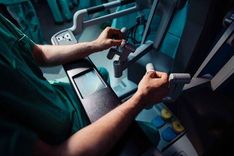
Minimally invasive proctological surgery in the rectal region in modern coloproctology.
Major Diseases of the Rectum
Among the various diseases of the rectum, hemorrhoids are particularly common; they manifest as symptoms such as itching, pain, or bleeding.
An anal fissure is a tear in the mucous membrane of the anus that usually develops acutely and can cause pain, particularly during bowel movements.
If an infection develops and pus forms, this can lead to the formation of anal fistulas. This results in abnormal channels between the intestine and the skin, which often require surgical treatment.
Diverticula are pouches that protrude from the intestinal wall and can become inflamed. This condition is known as diverticulitis. In many patients, diverticulitis is chronic and can cause recurring symptoms, making surgery necessary.
Bowel diseases such as ulcerative colitis or Crohn’s disease are classified as chronic inflammatory bowel diseases and frequently affect the rectum.
In addition to inflammatory conditions, both benign and malignant changes in tissue structure can occur. Cancer or a tumor of the rectum or colon is usually comprehensively diagnosed and treated at a specialized colorectal cancer center.
In addition, functional disorders such as incontinence resulting from damage to the sphincter muscle or pelvic floor problems may occur, which also require treatment.
Diagnosis of Rectal Diseases
Diagnosis begins with a detailed medical history interview and a physical examination. This is followed by proctological examinations such as endoscopy, colonoscopy, or rectoscopy to assess the rectum and colon.
For further clarification or to precisely determine the location of the disease, additional tests such as ultrasound, MRI, or CT scans are used. The diagnostic process serves to determine the nature of the disease and to enable the development of a personalized treatment plan.
Surgical Procedures in Proctology
Surgery is necessary when conservative treatments are insufficient or complications arise. Modern surgical procedures are preferably performed in a gentle and often minimally invasive manner using laparoscopy. The goal of these techniques is to keep the surgical incision as small as possible to accelerate the healing process and reduce the risk of complications.
In severe cases, it may be necessary to surgically remove a section of the intestine and create an artificial opening (stoma).
Tumors are surgically removed as completely as possible to prevent them from spreading.
Complicated anal fistulas should be treated by an experienced surgeon.
Risks of Proctological Procedures
As with any surgical procedure, there are risks such as bleeding, infection, impaired wound healing, and reactions to anesthesia. In rare cases, complicated procedures involving the sphincter muscle may result in temporary or permanent incontinence. Careful preparation, surgical expertise, and modern techniques help minimize complications.
Postoperative Care and Recovery
Depending on the type of procedure, follow-up care is provided on an outpatient or inpatient basis. Careful wound hygiene, bowel control, and gentle care of the anal opening are important components of the healing process. In addition, physical therapy for the pelvic floor may be necessary to stabilize function. Regular follow-up appointments serve to evaluate the success of treatment and detect potential complications early on.
Frequently Asked Questions
When is surgery necessary?
Surgery is recommended when conservative measures are no longer sufficient or when complications such as bleeding, inflammation, or a tumor are present.
What are the advantages of minimally invasive methods?
Minimally invasive procedures result in smaller incisions, less pain, and a faster recovery.
Who treats rectal diseases?
Specialists in proctology, visceral surgery, and specialized proctologists are the right people to consult.

About the medical author
Sabine Schneider
Editor-in-Chief
Sabine Schneider – medical author: Explore expert articles and medical expertise in the Leading Medicine Guide.
More about the medical author →