News
The Silent Threat to the Liver: Recognizing and Understanding Fatty Liver Disease

Melanie Al Tikriti, BSc ·
When the Liver Suffers in Silence
Fatty liver disease is one of the most common liver diseases worldwide and often goes unnoticed for years. It develops when fat accumulates in the liver cells, which can significantly impair the organ’s function. Initially, fatty liver usually causes no noticeable symptoms, but if left untreated, it increases the risk of serious conditions such as hepatitis, cirrhosis, or even liver cancer. People who are overweight, have type 2 diabetes, elevated blood lipid levels, or high blood pressure are particularly at risk.
The condition develops gradually. It is often detected only through routine checkups or lab tests before symptoms appear. However, early diagnosis and targeted measures can frequently halt the progression of fatty liver disease or even reverse it completely. Those who take the warning signs seriously can not only protect their liver but also significantly reduce their overall metabolic and cardiovascular risk. The immune system also benefits from a healthy liver, as it regulates key metabolic processes and removes toxins from the body.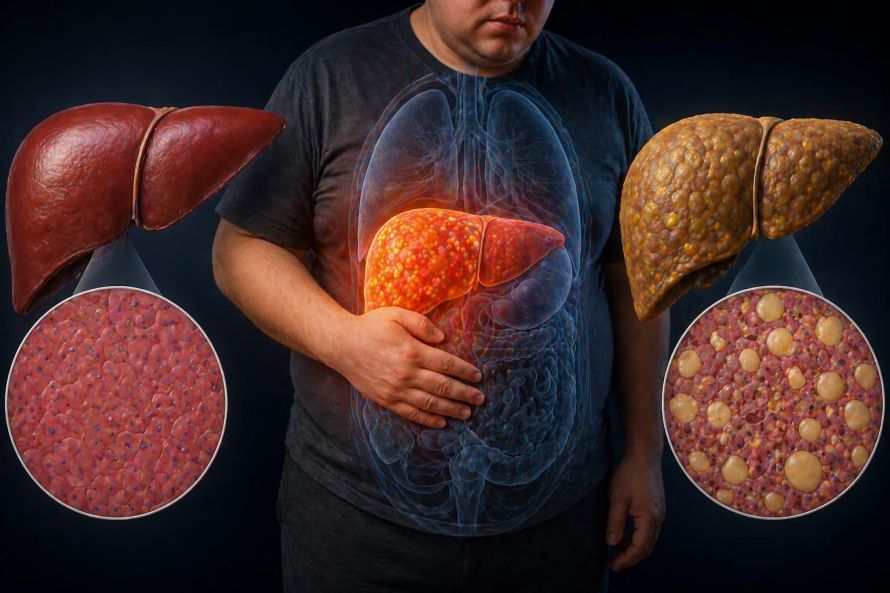
Recognizing Typical Warning Signs
Fatty liver often goes unnoticed for a long time, yet there are signs that may indicate liver overload:
- Persistent fatigue and general exhaustion that cannot be explained by a lack of sleep
- A feeling of pressure or fullness in the upper abdomen, especially on the right side below the ribs
- Increasing abdominal fat or unexplained weight gain
- Slightly elevated liver enzyme levels in the blood, which are often detected only during routine checkups
- Yellowing of the skin or itching, which may indicate impaired liver function
These symptoms are often underestimated, yet they serve as an important early warning sign. Early intervention can help reverse fatty liver disease and significantly reduce the risk of related complications. Regular monitoring of liver function tests helps detect changes early and take targeted action.
Everyday Risk Factors
- Being overweight promotes the accumulation of fat in liver cells.
- An unhealthy diet high in sugar and fat increases the strain on the liver.
- Lack of exercise slows down metabolism and promotes fat accumulation.
- Type 2 diabetes or lipid metabolism disorders disrupt fat metabolism and increase the risk.
- Regular alcohol consumption further increases the strain on the liver.
- Smoking and insufficient sleep can further impair the liver’s detoxification function.
Often, several factors interact, while genetic predispositions increase susceptibility. The interplay of these risk factors determines how quickly fatty liver develops and whether complications are likely to arise. A conscious approach to diet, exercise, and lifestyle is crucial for protecting the liver in the long term.
Diagnosis: How Fatty Liver Is Detected
Fatty liver is often discovered by chance, for example during routine blood tests or ultrasound examinations. Elevated liver enzyme levels provide initial clues, while ultrasound images reveal the fat deposits. In certain cases, particularly when inflammation is suspected, a liver biopsy may be necessary to accurately determine the severity of the condition. Early diagnosis is crucial, as lifestyle changes are often sufficient in the early stages to relieve strain on the liver and reduce the risk of complications. In addition to ultrasound, modern imaging techniques such as elastography or MRI can also be used to assess the structure and stiffness of the liver. Hepatologists are the appropriate specialists to consult in these cases.
Treatment and Lifestyle Changes
The treatment of fatty liver disease is primarily based on consistent lifestyle changes. A moderate weight loss of five to ten percent can significantly improve liver function tests. A balanced diet rich in vegetables, fruits, whole grains, and lean protein supports liver function and promotes fat loss. Regular physical activity increases energy expenditure and helps reduce fat deposits. Alcohol consumption should be greatly reduced or avoided entirely, as it places an additional strain on the liver. Comorbidities such as diabetes or elevated blood lipid levels should be treated concurrently to relieve the liver in the long term. Medications are used only in individual cases when lifestyle measures are insufficient. Dietary supplements such as vitamin E or omega-3 fatty acids can also be beneficial when taken in consultation with a doctor.
Everyday Tips for Liver Health
- Balanced meals prevent blood sugar spikes and reduce the strain on the liver.
- Replace sugary drinks with water or unsweetened teas.
- Incorporate physical activity into your daily routine, such as walking, biking, swimming, or targeted endurance and strength training.
- Reduce stress through relaxation techniques such as yoga, breathing exercises, meditation, or short breaks throughout the day
- Get enough sleep to support the regeneration of the liver and your entire metabolism
- Get regular checkups to detect changes early and take targeted action
- Maintain a healthy balance between work and leisure to minimize physical strain
Conclusion: Take fatty liver disease seriously and prevent it
Fatty liver is a silent disease that often goes unnoticed for a long time but can have serious health consequences. With early diagnosis, a consistent lifestyle, an appropriate diet, and regular exercise, the condition can often be reversed. A conscious approach to weight, diet, and physical activity protects the liver, improves blood test results, and sustainably reduces the risk of related complications. Those who pay close attention to warning signs and take preventive measures can maintain long-term liver health and significantly improve their overall quality of life.
Share this article
About the medical author
Melanie Al Tikriti, BSc
Editor
Melanie Al-Tikriti, BSc – author: Explore expert medical articles in the Leading Medicine Guide.
More about the medical author →Verified expertise
Recommended specialists
9 specialists
9 results

Universitätsklinikum Münster
Münster



Gastroenterology Center Bethanien
Frankfurt am Main

Prof. Dr. Jörn Schattenberg
Homburg/Saar


Prof. Dr. med. Sükrettin Güldütuna
Frankfurt am Main



News
Read next
- News
Retinal Detachment: Flashes of Light Can Jeopardize Vision
Oct 5, 2026
Retinal Detachment: Quick Action Can Save Your Eyesight
Read more - News
Thrush: How to Correctly Identify White Coatings in the Mouth
Oct 2, 2026
Oral thrush: A fungal infection is often the cause of these changes
Read more - News
When Your Knee Locks Up—Could It Be a Meniscus Tear?
Sep 30, 2026
Why a Meniscus Tear Isn't Always Detected Right Away
Read more