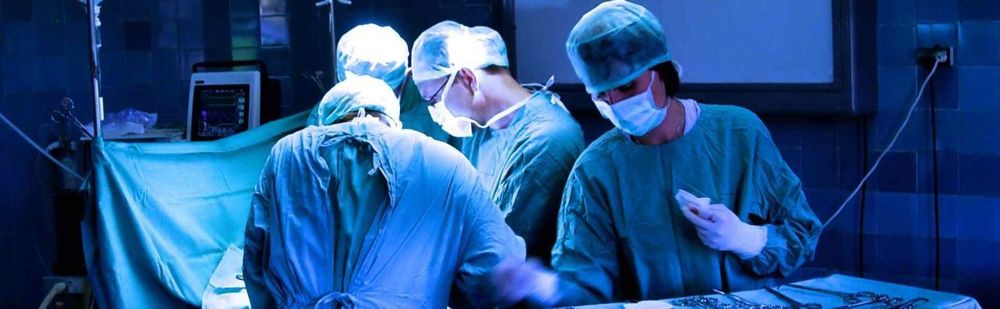
Oncologic surgery refers to surgical procedures performed to treat cancer.
Tumor surgery is frequently used in visceral surgery. However, it is also common in cases of prostate cancer, hysterectomy (gynecologic oncology), or tumors in the head and neck region (oral and maxillofacial surgery).
Demographic changes in society and increasingly unhealthy lifestyles are responsible for the rise in cancer cases and surgical procedures.
A network of specialists oversees oncological surgery
A tumor can develop in any organ or any part of the body. Cancer can spread from the organ where it originally developed to other tissues. For this reason, various medical specialties are often involved in diagnosis and treatment.
Experts from different hospitals often collaborate, discussing a patient’s cancer during tumor conferences or through tumor boards. Together, they determine the best possible treatment for each patient.
These specialists who perform cancer treatments include:
- Oncologists
- Radiologists
- Radiation oncologists
- General practitioners and
- Surgical oncologists
In most cases, the family doctor or general practitioner raises a suspicion of cancer and refers the patient to a radiologist. The radiologist can then make an accurate diagnosis using imaging techniques.
Based on the diagnosis, further tests are conducted, such as a biopsy. Only once the exact type of tumor has been determined can oncology specialists decide on the appropriate treatment.
When is oncological surgery used?
Oncological surgery involves complex procedures and cannot be performed for every type of cancer. Even though the surgical removal of a tumor is generally the most promising treatment, it is not always possible. The decision to perform surgery depends on the type of cancer and the specific tumor
Oncological surgery is only appropriate if the tumor is localized and doctors can remove it completely. This is followed by radiation therapy or chemotherapy to treat the affected tissue.
Many tumors invade surrounding tissue as well as important structures such as lymphatic vessels or blood vessels. As a result, they are no longer locally confined but have spread diffusely. In this situation, surgery to remove the tumor is not possible.
In such cases, therapies aimed at shrinking the tumor (chemotherapy, radiation therapy) are often used. Oncological surgery may follow under certain circumstances.
In some cases, doctors can neither remove a tumor nor treat it successfully. A cure is then not possible.
Palliative care can significantly prolong the patient’s life. Palliative medicine specializes in alleviating the symptoms of cancer and maintaining the patient’s quality of life.
Ultimately, the patient is the focus, and their wishes are given high priority. Especially in older patients, a strenuous surgery or conservative treatment is not always desired.
Oncological Surgical Techniques and Examples of Procedures
The type of tumor determines not only whether oncological surgery is possible, but also which technique is used.
In oncological surgery, conventional, minimally invasive, and laparoscopic procedures are all possible.
In 75 percent of cases of stomach cancer, complete removal of the stomach is necessary. To do this, doctors must open the abdominal cavity.
Malignant tumors of the esophagus also require removal of the esophagus and opening of the chest and abdominal cavities. In oncological surgical procedures, removal of the adjacent lymph nodes is often necessary.
One example of a minimally invasive oncological surgical procedure is partial pancreatectomy for pancreatic cancer. In this case, doctors can remove the affected portion of the pancreas via a laparoscopic procedure.
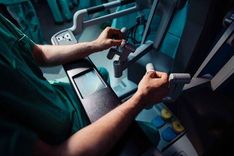
Da Vinci prostatectomy for prostate cancer is also a minimally invasive procedure. Robot arms controlled by a surgeon make precise, tremor-free incisions.
Modern procedures in cancer treatment include:
- Fluorescence-guided tumor surgery
- Tissue ablation using microwaves, as well as
- HIPEC, or hyperthermic intraperitoneal chemotherapy
To help the surgeon see the surgical site more clearly, the patient is given a medication in tablet form beforehand. The patient must take this medication, which marks the tissue with a fluorescent dye.
Post-surgical measures following oncological surgery
After doctors have surgically removed a tumor, further cancer treatments are initiated.
These include chemotherapy or radiation therapy to eliminate the disease or prevent a recurrence (the tumor coming back).
Some oncological surgical procedures are radical and result in visible changes to the body. This is the case, for example, after a mastectomy, or the removal of the breast.
Following such a procedure, reconstructive surgery may be performed. Using the patient’s own fat tissue, doctors reshape the breast to help the patient better cope with the removal.
Follow-up care includes regular monitoring through blood tests and radiological examinations of the affected body part. This allows doctors to detect even the smallest changes and take appropriate action.
Additional therapies, such as rehabilitation or care from a psycho-oncologist, depend on the individual case.

About the medical author
Dr. Claus Puhlmann
Medical Author · Medical journalist
Dr. Claus Puhlmann – medical author: expert articles, professional insights and medical knowledge in the Leading Medicine Guide.
More about the medical author →