
Hepatology is a subspecialty of gastroenterology and internal medicine. It deals with diseases of the liver, the bile ducts, and the gallbladder.
Major liver diseases include: gallbladder cancer, gallstones, hepatitis, liver cancer, liver metastases, and cirrhosis. Laboratory tests, ultrasound, and other imaging studies are important components of diagnosis. Treatment options depend on the type and severity of the liver disease.
What is hepatology?
Hepatology is a medical specialty that deals with pathological and abnormal processes and conditions of the liver and the biliary tract, including the gallbladder.
These include:
- Diagnosis and
- treatment of liver and biliary tract diseases
Hepatology is a subspecialty of gastroenterology. Gastroenterology deals with diseases of the gastrointestinal tract and the associated organs (liver, gallbladder, pancreas).
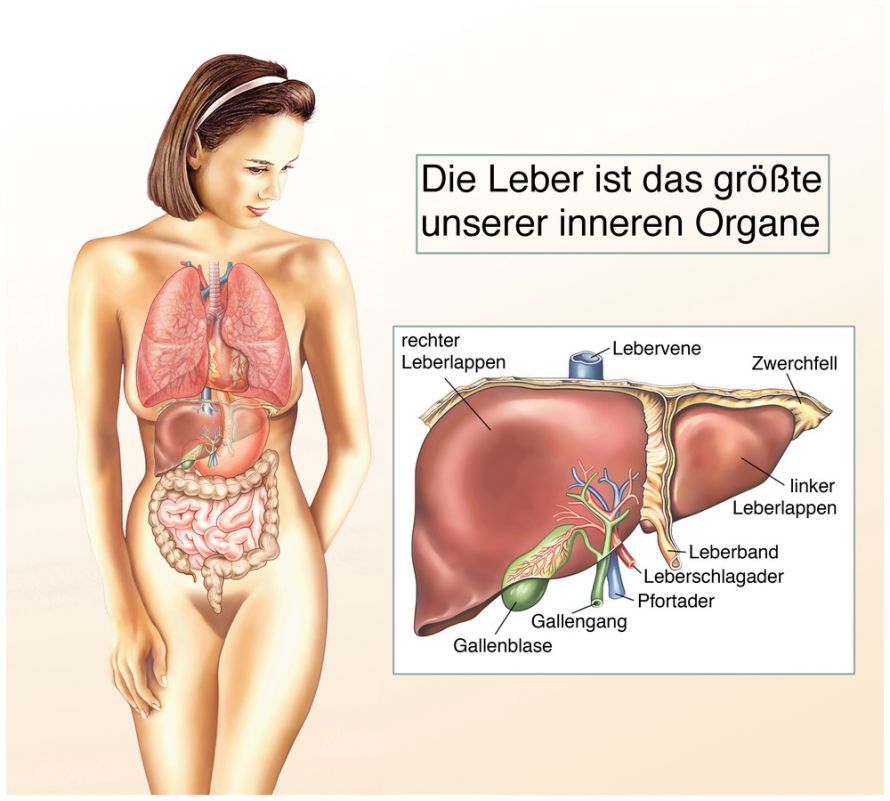
Weighing about 1.5 kg, the liver is the largest internal organ in the human body and is located in the upper right abdomen @ Henrie /AdobeStock
What diseases do hepatologists / specialists in hepatology treat?
A liver disease is also known as hepatopathy. A hepatologist treats diseases that affect the liver or the biliary tract.
The following liver diseases are possible:
- Infectious liver disease: viral hepatitis or liver abscess
- Toxic liver disease: alcohol-induced liver disease and drug-induced liver disease
- Benign and malignant tumors: liver cancer, liver metastases, or gallbladder cancer
Doctors classify liver cancer into hepatocellular carcinoma and cholangiocarcinoma, depending on the origin of the tumor cells.
Liver metastases are secondary tumors originating from a primary tumor growing elsewhere in the body. Alcohol abuse and viral hepatitis can cause cirrhosis of the liver
Typical gallbladder and biliary tract diseases include:
- Gallstones (choledocholithiasis, cholecystolithiasis)
- Inflammatory conditions such as cholecystitis (inflammation of the gallbladder), cholangitis (inflammation of the bile ducts), and
- Bile flow disorders
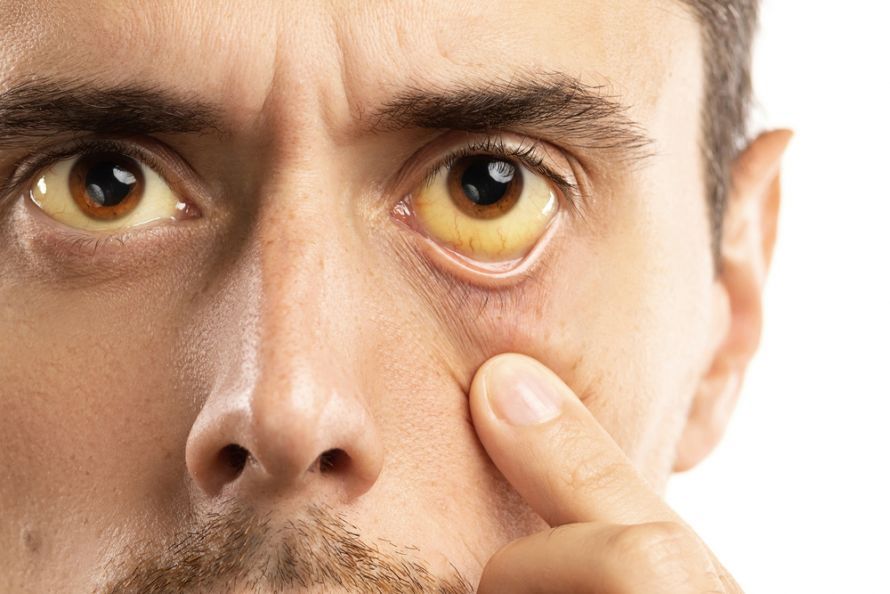 If the liver is affected by hepatitis, the skin and eyes turn yellow @ blackday /AdobeStock
What diagnostic procedures do hepatology specialists use?
During the clinical examination, the liver specialist looks for complaints and symptoms.
The following are also used:
- Laboratory tests
- Medical history
- Imaging techniques
The most important imaging technique in liver diagnostics is an abdominal ultrasound (sonography).
It can be used to:
- Detect gallstones
- Monitor the progression of liver cirrhosis and
identify signs of liver metastases and liver cancer
Computed tomography (CT) is a complementary test in liver diagnostics, as it provides a detailed image of the liver. It also confirms suspected tumors (liver cancer, liver metastases, gallbladder cancer). CT can also be used to detect liver hemorrhages and liver cirrhosis.
Magnetic resonance imaging (MRI) is also a highly sensitive diagnostic tool that complements ultrasound in liver diagnostics.
Endoscopic retrograde cholangiopancreatography (ERCP), a type of endoscopy, can be used to perform both diagnostic and therapeutic procedures.
If liver disease is suspected, a liver specialist takes a tissue sample from the liver and examines it under a microscope.
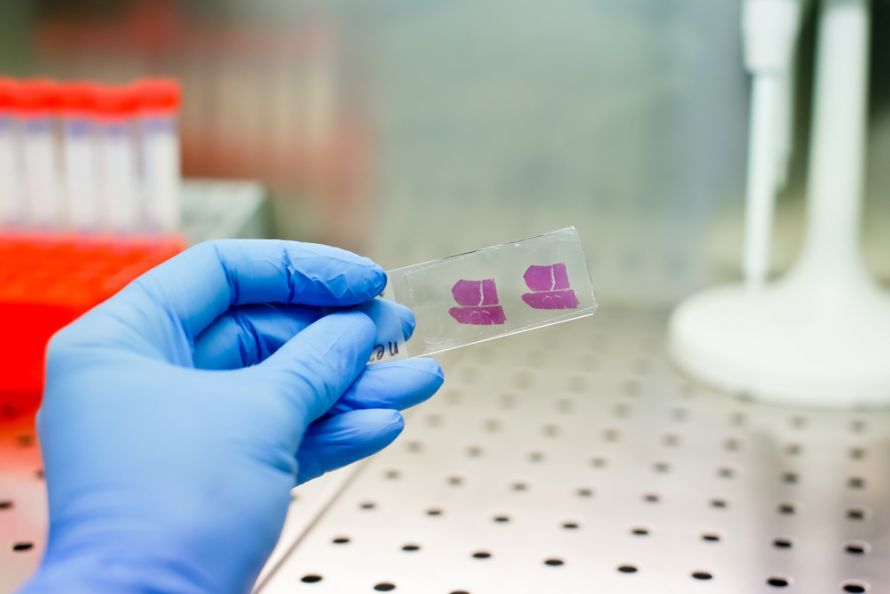 Liver tissue sample @ Volha /AdobeStock
This allows the liver specialist, for example, to distinguish cancer cells from harmless cells or to diagnose liver cirrhosis.
As part of laboratory tests, the liver specialist examines liver function values (bilirubin, AST, ALT, GLDH, GGT, etc.) in the blood. If these levels deviate from normal ranges, this may be an initial indication of liver disease (cirrhosis or hepatitis).
Serology uses immune responses to determine whether the patient has already been exposed to a pathogen, such as the hepatitis virus.
What treatments and therapies are used in hepatology?
The treatments used in hepatology depend on the type and severity of the liver disease, as well as the patient’s overall health.
As a preventive measure, doctors recommend vaccination against hepatitis A and hepatitis B.
If the patient has already developed hepatitis, medications against the hepatitis viruses (antiviral drugs) are used.
Since liver cancer responds poorly to cytostatic drugs, partial removal of the liver (partial liver resection) is the treatment of choice for liver cancer.
For inoperable liver cancer, minimally invasive procedures are also used.
Examples include:
- Laser-induced thermotherapy
- Radiofrequency-induced thermotherapy
- Cryotherapy
Doctors can also surgically remove liver metastases.
A portosystemic shunt is used to reduce portal hypertension, which occurs in cirrhosis of the liver. This procedure creates a connection between two blood vessels.
A liver transplant is the last resort. It is only performed when the liver is so severely damaged that liver failure is imminent.
Which medical specialists focus on hepatology?
A specialist in hepatology is called a hepatologist (liver specialist, liver expert). The term “hepatologist” is not entirely accurate, because there is no specific training program for this designation in Germany.
A gastroenterologist is sometimes referred to as a hepatologist because they have completed advanced training to become a specialist in internal medicine and gastroenterology.
A hepatologist is therefore an internist who specializes in diseases of the gastrointestinal tract (specifically the liver and biliary tract).

About the medical author
Dr. Claus Puhlmann
Medical Author · Medical journalist
Dr. Claus Puhlmann – medical author: expert articles, professional insights and medical knowledge in the Leading Medicine Guide.
More about the medical author →